
Are you wondering how to keep your feline friend looking and feeling their best without stressful trips to the groomer? Learning how to groom a cat at home is one of the most rewarding skills a cat owner can develop. It not only keeps their coat healthy and clean but also strengthens the bond you share. This guide provides everything beginners need to start a safe, calm, and effective grooming routine.
To groom a cat at home, start by gathering the right supplies like a brush suited for their coat, cat-specific nail clippers, and gentle wipes. Prepare your cat by choosing a calm time and creating positive associations with the tools using treats. Follow a step-by-step routine: brush to remove loose fur, trim nails carefully, clean eyes and ears, brush their teeth, and only bathe when absolutely necessary. Keep sessions short and positive to build trust.
Essential Cat Grooming Supplies for Beginners
Before you begin, assembling the right toolkit is crucial for a successful grooming session. Using products designed specifically for felines ensures their safety and comfort. Investing in quality supplies will make the process smoother for both you and your cat, setting the stage for a positive experience from the very start.
Brushes and Combs for Every Coat Type
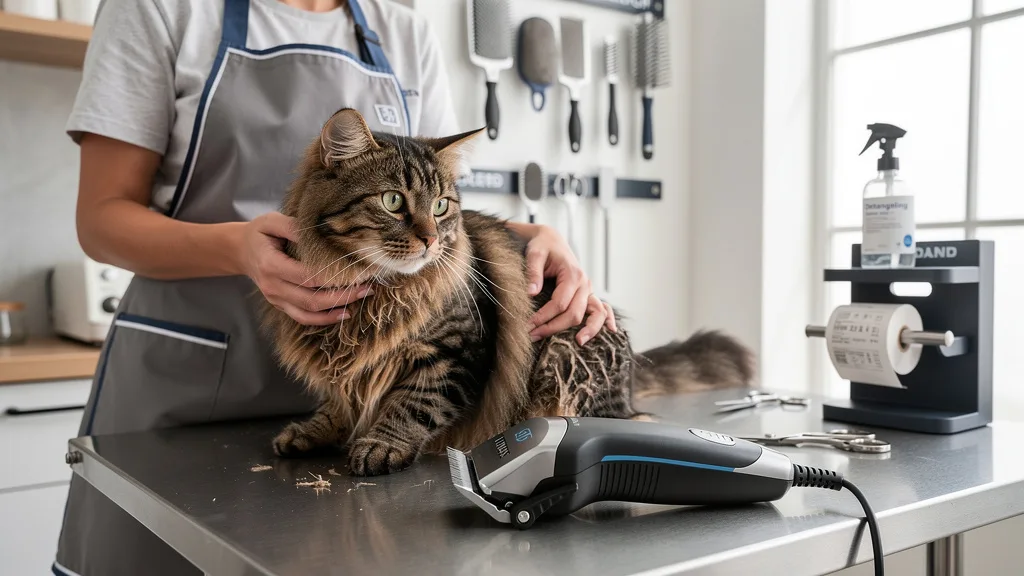
The type of brush you need depends entirely on your cat’s fur. For short-haired cats, a rubber curry brush or a fine-toothed comb is excellent for removing loose hair and stimulating the skin. Long-haired breeds, like Persians or Maine Coons, require a slicker brush to work through tangles gently and a steel comb to tackle any mats before they become severe. Always brush in the direction of hair growth to avoid pulling or causing discomfort.

Regular brushing distributes natural oils throughout your cat’s coat, keeping it shiny and healthy. It also reduces the amount of hair they ingest during self-grooming, which can help prevent hairballs. Making this a regular part of your routine is a simple way to keep their coat in top condition.
Safe Nail Clippers and Trimmers
Trimming your cat’s claws is essential for preventing them from getting snagged on furniture and for protecting your skin from accidental scratches. There are two main types of clippers: a scissor-style trimmer and a guillotine-style clipper. Many owners find the scissor style easier to handle. It’s also wise to keep styptic powder nearby, which can quickly stop bleeding if you accidentally clip the quick, the sensitive part of the nail.
Familiarize your cat with the clippers before you attempt a trim. Let them sniff the tool and gently touch it to their paws without clipping. This process helps reduce anxiety and makes future nail trims a much calmer affair for everyone involved.
Gentle Ear and Eye Cleaning Solutions
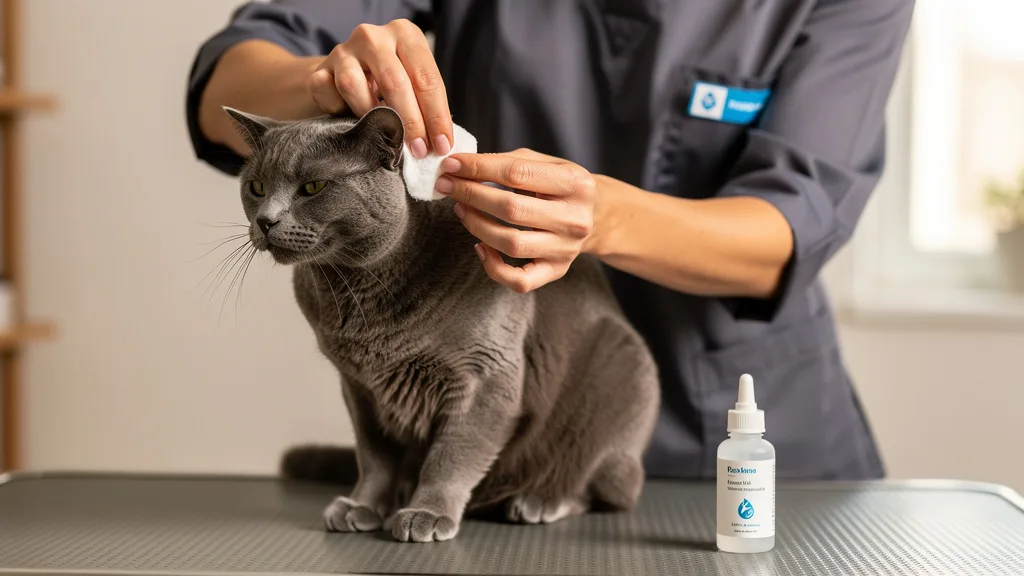
Your cat’s eyes and ears require delicate care. For routine cleaning, use a soft cotton ball or a clean cloth lightly dampened with warm water to wipe away any discharge from the corners of their eyes. For their ears, use a vet-approved ear cleaning solution on a cotton ball to gently clean the outer ear flap. Never insert cotton swabs into the ear canal, as this can cause serious injury.
Regularly checking their eyes and ears helps you spot early signs of infection or parasites. If you notice excessive discharge, redness, or a foul odor, it’s important to consult your veterinarian. These simple checks are a key part of a proactive health and grooming regimen.
Feline-Friendly Shampoos and Wipes
While most cats are meticulous self-groomers and rarely need a full bath, sometimes it’s unavoidable. When a bath is necessary, always use a shampoo formulated specifically for cats. Human shampoos have a different pH balance and can dry out or irritate your cat’s sensitive skin. Look for gentle, moisturizing formulas without harsh chemicals or artificial fragrances.
For minor messes or a quick refresh between baths, grooming wipes are an excellent alternative. These are perfect for spot-cleaning and are generally well-tolerated by cats who dislike water. They can help keep your cat’s coat clean and fresh with minimal stress.
Preparing Your Cat for a Calm Grooming Session
The key to successful at-home grooming is preparation. A cat that feels safe and relaxed is far more likely to cooperate than one that is stressed or frightened. Taking the time to create a calm environment and build positive associations will make the entire process more enjoyable for both of you.
Choosing the Right Time and Place
Timing is everything. Approach your cat for a grooming session when they are already calm and sleepy, such as after a meal or a long nap. Avoid times when they are playful or full of energy, as they will be less likely to sit still. Choose a quiet room where you won’t be interrupted, away from loud noises or other household pets. A comfortable and familiar space will help your cat feel more secure.
Consistency in location can also help. By grooming in the same spot each time, your cat will come to understand what to expect. This predictability can significantly reduce their anxiety over time, making grooming a standard part of their routine.
Creating Positive Associations with Tools
Before you ever use the tools on your cat, let them become familiar with them. Leave the brush, clippers, and other supplies out where your cat can see and sniff them. You can place treats on or near the tools to help your cat associate them with something pleasant. This step is crucial for desensitizing them and reducing fear.
“The goal is for your cat to see the grooming brush and think ‘treats,’ not ‘trouble.’ Patience and positive reinforcement are your most important tools. A few seconds of calm interaction with a brush followed by a favorite snack can go a long way in building trust for future grooming sessions.”
You can also gently touch your cat with the tools without actually using them. For example, tap the nail clippers gently against their claws or run the back of the brush over their fur. Follow up immediately with praise and a treat to reinforce the positive connection.
Keeping Initial Sessions Short and Sweet
When you first start grooming your cat, keep the sessions very short, perhaps only a minute or two. The goal is to end on a positive note before your cat becomes overwhelmed or agitated. You could start by simply brushing one small section of their back or trimming a single nail.
Gradually increase the duration of the sessions as your cat becomes more comfortable. Always end with praise and a special treat. This approach teaches your cat that grooming is a brief, rewarding activity rather than a prolonged, stressful ordeal. Patience is key to building a foundation of trust that will last a lifetime.
The Complete At-Home Cat Grooming Routine: Step by Step
Once your cat is comfortable and you have your supplies ready, you can begin a full grooming routine. Follow these steps in order for a comprehensive session that covers all the essentials. Remember to watch your cat’s body language and take breaks if they show signs of stress.
Step 1: Brushing to Remove Loose Fur and Prevent Mats
Start every session with a thorough brushing. This not only removes loose fur, dirt, and dander but also allows you to check for any skin issues, fleas, or ticks. Use long, gentle strokes that follow the direction of hair growth. For long-haired cats, you may need to use a comb to gently work through any small tangles before they develop into painful mats.
Regular brushing is a cornerstone of cat care. It helps reduce shedding around your home and minimizes hairballs, which can cause digestive issues. This simple act also mimics the social grooming cats do with each other, which can be a wonderful bonding experience. If you’re curious about other feline behaviors, you can explore topics like why cats lick their owners.
After brushing, move on to the nails. Hold your cat’s paw gently and press on the pad to extend the claw. Identify the quick, which is the pink part of the nail containing nerves and blood vessels. Only trim the white tip of the claw, avoiding the quick entirely. If your cat has dark claws, it’s safer to trim a very small amount at a time.
It’s better to trim a small amount frequently than to wait and cut a large amount at once. If you’re nervous, start with just one or two nails per session. Rewarding your cat with a treat after each successful clip helps them associate the process with a positive outcome.
Step 3: Cleaning Your Cat’s Eyes and Ears
Next, inspect your cat’s eyes and ears. Use a dampened cotton ball or soft cloth to gently wipe away any crust or discharge from the corners of their eyes, using a fresh cloth for each eye to prevent spreading potential infections. For the ears, use a vet-approved cleaner on a cotton ball to wipe the visible parts of the outer ear.
This is a quick but important step to prevent infections and discomfort. A healthy ear should be clean and pale pink inside with no odor. If you see signs of trouble, it’s time for a vet visit. For more information on feline health, consider our resources on common issues like why a cat might be sneezing.
Step 4: Brushing Your Cat’s Teeth for Dental Health
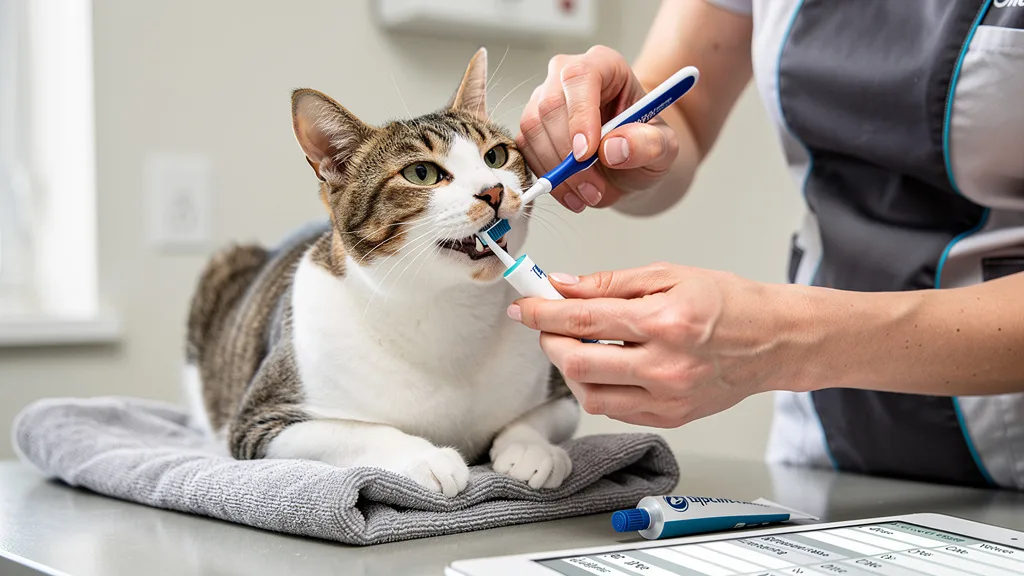
Dental hygiene is often overlooked but is vital for your cat’s overall health. Use a toothbrush and toothpaste designed for cats. Never use human toothpaste, as it can be toxic to them. Start by letting your cat lick the toothpaste off your finger, then off the brush. Gradually progress to gently brushing the outside of their teeth in a circular motion.
Aim to brush their teeth a few times a week to prevent plaque and tartar buildup, which can lead to periodontal disease. For a broader look at feline care routines, an external resource on How to Groom a Cat can provide additional context on establishing these habits.
Step 5: Bathing Your Cat (Only When Necessary)
Most indoor cats will rarely, if ever, need a full bath. However, if your cat gets into something sticky, toxic, or is unable to clean themselves properly, a bath may be required. Fill a tub or sink with a few inches of lukewarm water. Gently place your cat in the water and use a handheld sprayer or cup to wet their fur, avoiding their head.
Lather with cat shampoo, then rinse thoroughly, as leftover residue can irritate their skin. Wrap your cat in a warm towel and dry them in a warm room. Always make the experience as quick and calm as possible, offering plenty of praise and a special treat afterward.
Common Cat Grooming Mistakes Beginners Should Avoid
Learning how to groom your cat involves a bit of trial and error, but avoiding some common pitfalls can make the process much safer and more pleasant. Being aware of these mistakes will help you build a trusting and positive grooming relationship with your feline companion.
Using Human Grooming Products on Your Cat
One of the most dangerous mistakes is using human products, especially shampoos and conditioners, on your cat. A cat’s skin has a different pH level than human skin, and our products can strip their natural oils, leading to dryness, irritation, and even allergic reactions. Always stick to products that are specifically formulated for feline use to ensure their safety.
Forcing a Stressed or Anxious Cat
If your cat is hissing, growling, or trying to escape, it’s a clear sign they are overwhelmed. Forcing them to endure the grooming session will only create a negative association and make future attempts more difficult. It’s crucial to listen to their body language. Stop the session, let them calm down, and try again later for a shorter duration. If your cat shows aggressive behavior, understanding why a cat might bite can provide valuable insight.
Attempting to Cut Out Mats with Scissors
It can be tempting to just snip out a tough mat, but this is extremely risky. A cat’s skin is very thin and elastic, and it’s incredibly easy to pull the skin up into the mat and cut it with the scissors. This can cause a serious injury that requires veterinary attention. For severe matting, it is always safest to consult a professional groomer or your veterinarian.
Skipping Positive Reinforcement and Treats
Grooming shouldn’t be a chore; it should be a rewarding experience. Skipping treats and praise removes the incentive for your cat to cooperate. Positive reinforcement is your most powerful tool. End every session, no matter how short, with your cat’s favorite treat, some playtime, or affectionate petting to ensure they finish with a positive feeling about the experience.
How Often Should You Groom Your Cat?
The frequency of grooming depends heavily on your cat’s coat length, lifestyle, and individual needs. Establishing a consistent schedule is more important than following a rigid timeline. Regular sessions help you monitor their skin and fur healthy, and they reinforce grooming as a normal, positive part of life.
For most cats, a routine helps them know what to expect. An excellent guide on Grooming Your Cat from a reputable source can offer more general advice. Below is a general guideline to help you create a schedule tailored to your cat.
| Coat Type | Brushing Frequency | Nail Trims | Other Checks (Ears, Eyes, Teeth) |
|---|---|---|---|
| Short-Haired (e.g., Domestic Shorthair, Siamese) | 1-2 times per week | Every 2-4 weeks | Check weekly, brush teeth 2-3 times per week |
| Medium-Haired (e.g., Ragdoll, Turkish Angora) | 3-4 times per week | Every 2-3 weeks | Check weekly, brush teeth 2-3 times per week |
| Long-Haired (e.g., Persian, Maine Coon) | Daily | Every 1-2 weeks | Check weekly, brush teeth 2-3 times per week |
| Hairless (e.g., Sphynx) | No brushing needed | Every 1-2 weeks | Weekly bathing needed to remove skin oils; check ears weekly |
Key Takeaways
Mastering at-home cat grooming is an achievable goal for any dedicated owner. By focusing on preparation, patience, and positivity, you can turn a potentially stressful task into a valuable bonding experience. Here are the most important points to remember:
- Use the Right Tools: Always use brushes, clippers, and shampoos that are specifically designed for cats to ensure their safety and comfort.
- Preparation is Key: Choose a calm time and place, and help your cat build positive associations with grooming tools through treats and praise before you begin.
- Follow a Gentle Routine: Work through a consistent step-by-step process, starting with brushing and keeping initial sessions short and positive.
- Avoid Common Mistakes: Never use human products, force a stressed cat, or try to cut out mats with scissors. Always prioritize your cat’s well-being.
- Consistency Matters: Regular grooming, tailored to your cat’s coat type, not only keeps them healthy but also reinforces the routine, making it easier over time.
Frequently Asked Questions
Can I groom my cat myself at home?
Absolutely. Grooming your cat at home is entirely possible and can be a wonderful way to bond with them. With the right supplies, a gentle approach, and plenty of patience, you can successfully manage your cat’s brushing, nail trimming, and other basic grooming needs without needing a professional.
The key is to start slowly and make it a positive experience. If you encounter a serious issue like severe matting or a potential health problem, it is always best to consult a veterinarian or a professional groomer for assistance.
What should I do if my cat hates being groomed?
If your cat strongly resists grooming, it’s important to take a step back and re-evaluate your approach. Break the process down into tiny, manageable steps. Start with just petting them in the grooming area, then briefly touch them with the brush without brushing, always rewarding them with a high-value treat.
Keep sessions extremely short, even just 30 seconds, and always end on a positive note. For some cats, products like calming pheromone diffusers can also help. If the behavior persists or is aggressive, a consultation with a vet or a certified feline behaviorist may be helpful.
Do short-haired cats need regular grooming?
Yes, they do. While short-haired cats have less fur and are less prone to matting, they still benefit immensely from regular grooming. Brushing a few times a week helps to remove loose hair, which reduces shedding on your furniture and minimizes the risk of hairballs forming in their digestive tract.
Regular grooming sessions also give you the opportunity to check their skin for any lumps, bumps, parasites, or signs of irritation. It’s a proactive way to keep your short-haired cat healthy and clean while reinforcing your bond.
How can I tell if my cat’s skin and fur are healthy?
A healthy cat’s coat should be soft, shiny, and free of mats or tangles. Their skin should be clear, smooth, and free from redness, flakes, sores, or excessive greasiness. When you part their fur, you should see healthy-looking skin, not signs of irritation or parasites like fleas.
Dull, brittle fur, excessive shedding, or flaky skin can sometimes be signs of an underlying issue. These can be related to nutrition, allergies, or other health conditions. Ensuring your cat has a balanced diet is fundamental, as covered in our complete cat nutrition guide for beginners.
Conclusion
Learning how to groom a cat at home is a journey of patience, trust, and gentle care. By following the steps outlined in this guide, you can transform grooming from a dreaded chore into a cherished ritual that enhances your cat’s health and deepens your connection. Remember that the ultimate goal is not a perfectly coiffed pet but a happy, comfortable, and healthy companion.
The most crucial takeaways are to always use feline-specific products, prepare your cat for a calm session, and never force an interaction. Keeping sessions short, positive, and consistent will build the trust needed for a lifetime of easy grooming. This proactive care allows you to monitor your cat’s physical well-being and catch potential health issues early.
While this guide provides a comprehensive starting point, every cat is an individual. Pay close attention to their unique personality and needs, and don’t hesitate to adapt your approach. Over time, you’ll develop a routine that works perfectly for both of you, ensuring your cat stays clean, healthy, and happy by your side.
For more personalized tips and in-depth guides on all aspects of feline wellness, explore our other cat care resources. We are dedicated to helping you provide the best possible care for your beloved pet. If you’re ready to dive deeper into our content, we invite you to explore our site. Get started today to find more helpful articles.