
Are you wondering where to even begin with grooming your new feline friend? The world of brushes, clippers, and shampoos can feel overwhelming, but establishing a routine is one of the most beneficial things you can do for your cat’s health and happiness. Proper grooming is about much more than just keeping your cat looking good; it’s a vital part of preventative healthcare and a wonderful way to strengthen your bond.
Cat grooming for beginners starts with understanding your cat’s needs and gathering the right tools. The process involves regular brushing to prevent mats, nail trims to protect your furniture and skin, and occasional cleaning of ears and teeth. By starting slowly and using positive reinforcement, you can make grooming a calm and enjoyable experience for both you and your cat, ensuring their coat and skin stay healthy for years to come.
Why Grooming Is Essential for a Healthy and Happy Cat
Regular grooming is a cornerstone of responsible cat care. While cats are known for their meticulous self-grooming habits, they often need our help to stay in top condition. Brushing removes loose hair, which significantly reduces shedding around your home and, more importantly, minimizes the amount of hair your cat ingests. This directly helps prevent the formation of uncomfortable and potentially dangerous hairballs.
Beyond hairball control, grooming sessions provide a perfect opportunity to perform a mini health check. As you brush or handle your cat, you can check for lumps, bumps, fleas, ticks, or any signs of skin irritation. Early detection of these issues can lead to quicker treatment and better outcomes. This regular, gentle handling also reinforces your bond, teaching your cat to be comfortable with touch, which can make future vet visits much less stressful for everyone involved.
Essential Cat Grooming Tools for Your Starter Kit
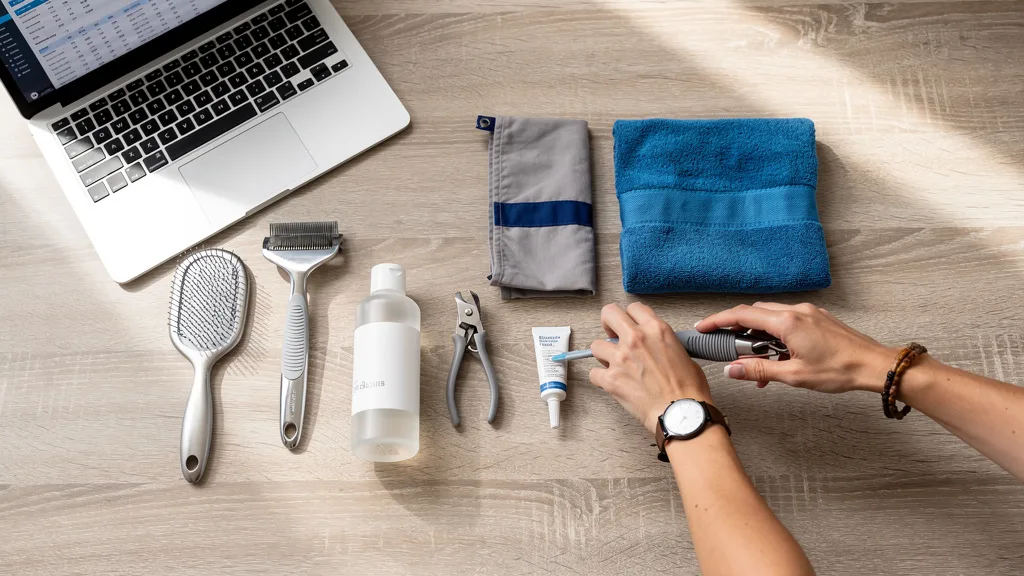
Having the right tools is the first step toward successful at-home grooming. Using equipment designed specifically for cats is crucial for their safety and comfort. A basic kit should cover coat care, nail maintenance, and general hygiene. Investing in quality tools will make the process easier and more effective, setting you up for a positive routine from the very beginning.
The table below outlines the essential tools every beginner cat owner should have on hand. We’ve categorized them by function to help you build your kit systematically. Remember to choose products that match your cat’s specific coat type and size.
| Tool Category | Essential Items | Best For |
|---|---|---|
| Coat Care | Slicker brush, de-shedding tool, metal comb | Removing loose fur, preventing mats, detangling |
| Nail Care | Scissor-style or guillotine-style clippers | Safely trimming claw tips to prevent overgrowth |
| Cleaning | Cat-safe shampoo, grooming wipes, ear cleaner | Occasional baths and spot-cleaning between sessions |
| Dental & Health | Cat toothbrush, enzymatic toothpaste, flea comb | Promoting oral hygiene and checking for pests |
Brushes and Combs for Different Coat Types
The type of brush you need depends entirely on your cat’s fur. For short-haired cats, a rubber curry brush or a fine-toothed comb is often sufficient to remove loose hair and stimulate the skin. These tools are gentle and effective for weekly maintenance. Regular brushing distributes natural oils, keeping their coat shiny and healthy.
Long-haired breeds like Persians or Maine Coons require more intensive care to prevent matting. A combination of a slicker brush to work through the undercoat and a long-toothed metal comb to tackle tangles is essential. For these cats, daily brushing is often necessary. Using the right tools will help you manage their luxurious coats without causing discomfort. If you have a long-haired cat, learning some Tame the floof! Grooming tips can be a lifesaver.
Nail Clippers and Trimmers
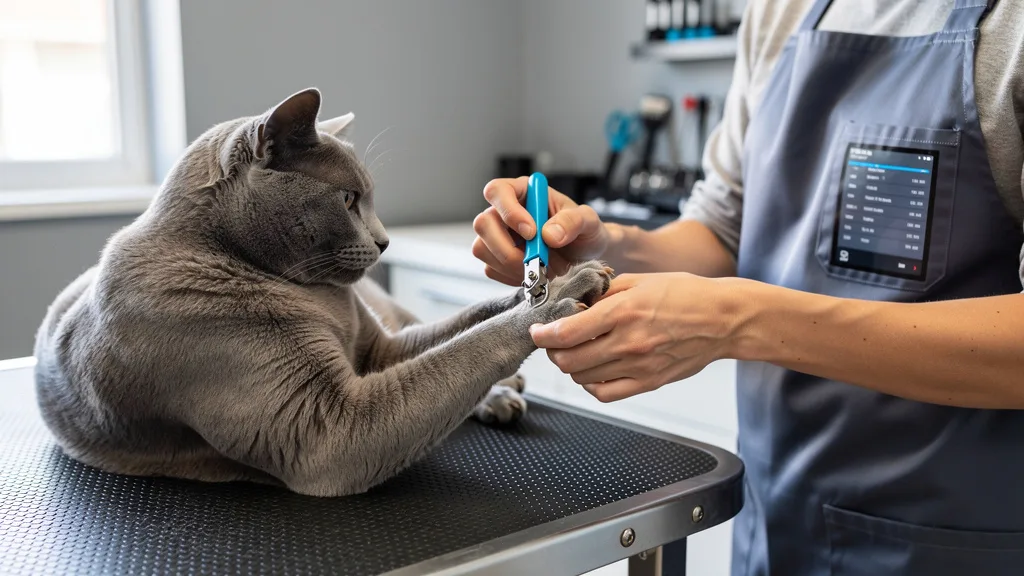
Trimming your cat’s nails is a crucial task, especially for indoor cats. It prevents their claws from becoming overgrown, snagging on furniture, or accidentally scratching you. The two most common types of clippers are the scissor-style and the guillotine-style. Many beginners find the scissor-style clippers easier to handle and control.
It’s important to only trim the white, translucent tip of the nail, avoiding the pink part called the quick, which contains nerves and blood vessels. Having styptic powder on hand is a good precaution in case you accidentally clip too far. Regular nail trims every few weeks will keep your cat’s paws healthy and comfortable.
Cat-Safe Shampoos and Wipes
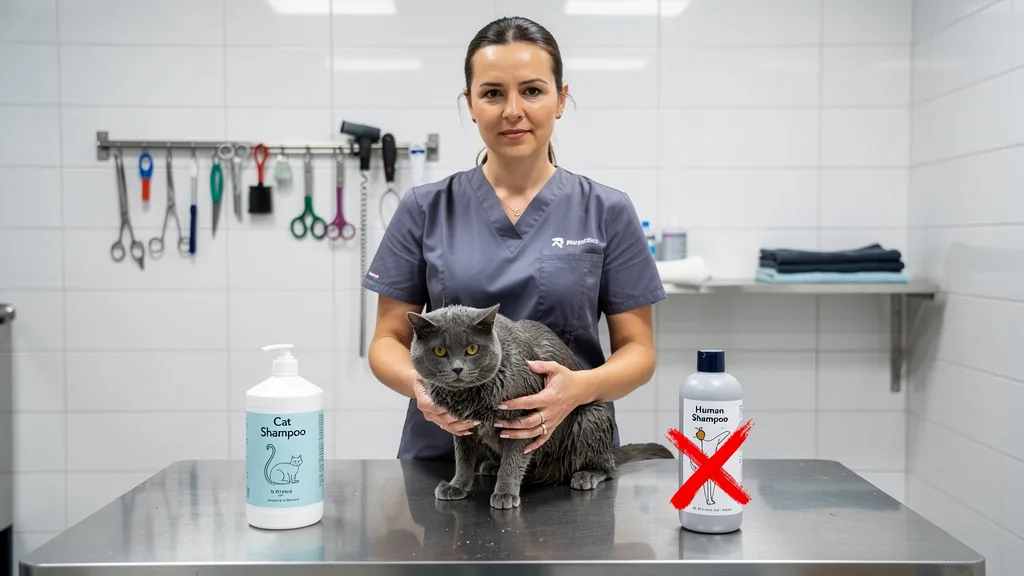
While cats are excellent self-cleaners, sometimes a bath is unavoidable. Always use a shampoo formulated specifically for felines. Human shampoos have a different pH balance and can dry out or irritate your cat’s skin. Look for gentle, naturally derived products without harsh chemicals or strong fragrances.
For minor messes or a quick refresh between baths, grooming wipes are an excellent solution. They are perfect for cleaning dirty paws or wiping away surface dirt from your cat’s coat. These wipes offer a stress-free way to keep your cat clean without the full ordeal of a bath.
Dental Care and Ear Cleaning Supplies
Oral hygiene is a frequently overlooked aspect of cat grooming. Brushing your cat’s teeth several times a week can prevent tartar buildup and gum disease, which are common in adult cats. Use a small, soft-bristled toothbrush or a finger brush along with a pet-safe enzymatic toothpaste. A healthy diet is also crucial, as detailed in our complete cat nutrition guide for beginners.
You should also inspect your cat’s ears regularly for wax buildup, debris, or signs of infection like redness or a bad odor. To clean them, use a cotton ball moistened with a veterinarian-approved ear cleaning solution. Never insert cotton swabs into the ear canal, as this can cause serious injury.
A Beginner’s Guide to At-Home Cat Grooming Tasks
Once you have your tools, it’s time to start the hands-on tasks. The key to success is to approach each activity with patience and a calm demeanor. Your cat will pick up on your energy, so if you are relaxed, they are more likely to be as well. Introduce one grooming task at a time, keeping initial sessions very short to build positive associations.
Remember that every cat is an individual. Some may take to brushing instantly, while others may need weeks of gradual introduction before they tolerate having their nails trimmed. Pay close attention to your cat’s body language and never force an interaction. The goal is to build trust and make grooming a regular, stress-free part of your routine together.
Brushing Your Cat’s Fur the Right Way
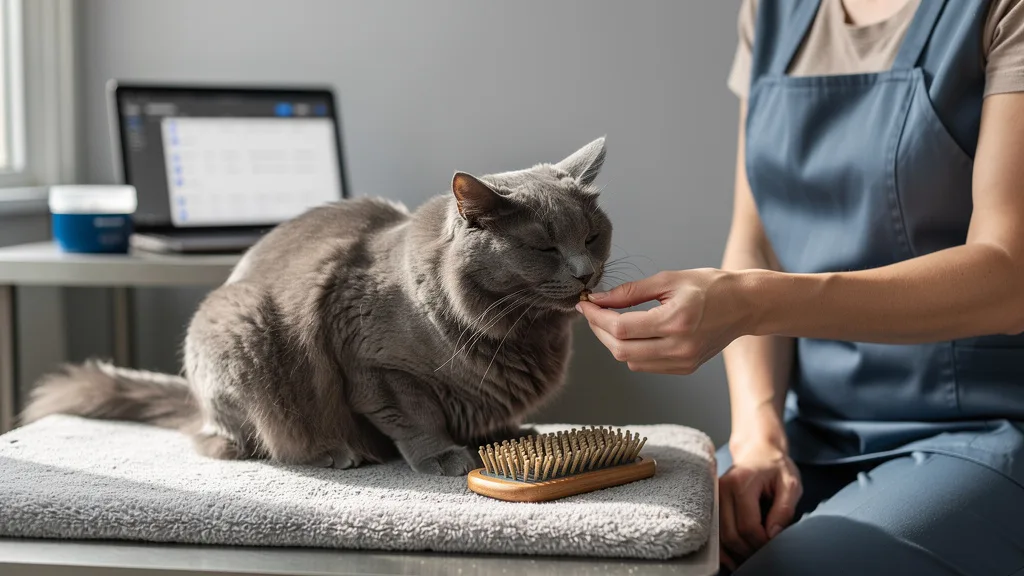
To start brushing, choose a time when your cat is relaxed and calm, perhaps after a nap. Begin by simply petting your cat, then slowly introduce the brush with short, gentle strokes in the direction of hair growth. Focus on areas your cat enjoys being petted, like their back and cheeks, while avoiding sensitive spots like the belly and tail initially.
Keep the first few sessions very brief, just a minute or two, and end on a positive note with a treat and praise. This helps your cat associate the brush with a pleasant experience. Over time, you can gradually increase the duration of the brushing sessions as your cat becomes more comfortable. For more details, authoritative sources provide excellent advice on grooming your cat properly.
Safely Trimming Your Cat’s Nails
Nail trimming can be intimidating, but it’s manageable with the right approach. Start by getting your cat used to having their paws handled. Gently press on their paw pads to extend the claws without any clippers present, rewarding them for their tolerance. Once they are comfortable with this, you can introduce the clippers.
When you’re ready to trim, hold your cat securely but gently in your lap. Trim just one or two nails in the first session, and reward them immediately afterward. It’s better to trim a small amount frequently than to attempt all the nails at once and create a stressful situation. If your cat becomes agitated, it’s best to stop and try again another day.
Cleaning Your Cat’s Eyes and Ears
Some cats, particularly flat-faced breeds like Persians, may develop tear stains. You can gently wipe the area around their eyes with a soft, damp cloth or a cotton ball to remove any discharge. Use a separate, clean cloth for each eye to avoid spreading any potential infection.
For ear cleaning, dampen a cotton ball with a vet-recommended cleaning solution and gently wipe the visible parts of the ear flap. Never probe deep into the ear canal. Check for any redness, swelling, or unusual odor, as these can be signs of ear mites or an infection that requires veterinary attention. preventative healthcare.
When and How to Bathe Your Cat
Most cats will rarely, if ever, need a full bath. However, if your cat gets into something sticky, toxic, or particularly dirty, a bath may be necessary. Before you begin, have everything ready: cat shampoo, towels, and a cup for rinsing. Place a non-slip mat in the sink or tub to help your cat feel more secure.
Use lukewarm water and gently wet your cat’s coat, avoiding their head. Lather the shampoo carefully, then rinse thoroughly, as leftover residue can irritate their skin. Speak in a calm, reassuring voice throughout the process. Afterward, wrap your cat in a warm towel and let them air-dry in a draft-free room. If your cat’s behavior changes after getting dirty, it might be worth exploring other causes, like those discussed in our guide on why cats lick their owners.
Top Tips for a Stress-Free Grooming Session
Creating a positive grooming experience is all about patience, consistency, and positive reinforcement. The goal is to teach your cat that grooming is a safe and even pleasant activity. By following a few simple tips, you can minimize stress for your cat and turn grooming time into a bonding opportunity rather than a battle.
Start with the right mindset. Your calm and confident attitude will signal to your cat that there is nothing to fear. Move slowly, speak softly, and always be mindful of your cat’s comfort level. Remember, building trust is a gradual process, and every small, positive interaction is a step in the right direction.
“The secret to successful cat grooming isn’t about forcing compliance; it’s about building trust. Short, happy sessions with plenty of rewards go a long way. In 2026, we see more owners embracing this gentle approach, leading to healthier, happier cats who don’t dread the sight of a brush.”
Start Young and Keep Sessions Short
If you have a kitten, begin introducing them to grooming as early as possible. Young cats are more adaptable and will learn to accept handling, brushing, and nail trims as a normal part of life. Gentle, regular handling from a young age can make all future grooming and vet visits significantly easier.
Regardless of your cat’s age, always keep initial grooming sessions extremely short, perhaps only a minute or two. End the session before your cat shows signs of stress or agitation. Ending on a positive note is crucial for building a good association with the process.
Create a Calm and Positive Environment
Choose a quiet room where you won’t be interrupted. A calm environment helps your cat feel secure. Some owners find that using a specific blanket or mat for grooming helps the cat understand what to expect. You can also try using a feline pheromone diffuser, like Feliway, to create a more relaxed atmosphere.
Your own emotional state is a huge factor. Speak to your cat in a soothing, gentle voice throughout the session. Your calm energy will be reassuring and can help keep your cat from becoming anxious.
Use Treats and Praise as Rewards
Positive reinforcement is your most powerful tool. Reward your cat with their favorite high-value treat immediately after a grooming session, or even for small steps like allowing you to touch their paws. Verbal praise and gentle petting can also serve as effective rewards.
By consistently pairing grooming with something your cat loves, you will change their emotional response to the activity. They will start to associate the brush or clippers with the promise of a tasty snack, making them more willing participants in the future.
Common Cat Grooming Mistakes to Avoid
While learning how to groom your cat, it’s easy to make a few mistakes. Being aware of common pitfalls can help you avoid creating negative experiences for your pet. The most significant errors often stem from a lack of knowledge about feline-specific needs or misinterpreting a cat’s behavior. Avoiding these mistakes will help ensure grooming remains a safe and positive activity.
Here are some of the most common grooming mistakes we see cat owners make:
- Using the wrong tools: Human products or incorrect brushes can cause pain and skin irritation.
- Ignoring body language: Pushing a cat past its comfort level breaks trust and creates fear.
- Rushing the process: Grooming should be a slow, patient activity, not a race against the clock.
- Punishing the cat: Scolding or punishing a cat for being scared will only worsen their anxiety.
- Skipping important areas: Focusing only on the back and sides while neglecting the belly, teeth, or ears.
Using Human Grooming Products
One of the most dangerous mistakes is using products designed for humans, especially shampoos and conditioners. A cat‘s skin has a different pH level than human skin, and our products can strip their natural oils, leading to dryness, irritation, and even allergic reactions. Always use shampoos, wipes, and other topical products that are explicitly labeled as safe for cats.
Forcing an Interaction with a Scared Cat
If your cat is hissing, swatting, or trying to escape, it’s a clear sign that they are stressed and afraid. Forcing them to endure grooming in this state will only reinforce their fear and can even lead to defensive aggression. If your cat becomes fearful, it’s crucial to stop immediately and give them space. This is often a reason for behavioral issues, and understanding why a cat might bite can provide valuable insight into their stress signals.
Neglecting Dental and Skin Health
Grooming is more than just brushing fur. Many owners forget about dental care, which is vital for preventing painful gum disease and tooth decay. Similarly, regular checks of the skin and fur are essential for spotting parasites, injuries, or health issues like those related to cat kidney disease, which can sometimes manifest as a poor coat condition. A holistic approach ensures your cat’s entire body is cared for.
When to Seek Help From a Professional Groomer
While at-home grooming is sufficient for many cats, there are times when professional help is necessary. If your cat has severely matted fur, it’s often safer and less painful for a professional to remove it with clippers. Attempting to cut out dense mats with scissors at home can easily result in cutting the skin.
Additionally, some cats are simply too aggressive or fearful to be groomed safely at home, despite your best efforts. A professional groomer has the experience, specialized equipment, and techniques to handle difficult cats safely and efficiently. If you find yourself unable to perform essential tasks like nail trimming or de-matting, seeking professional assistance is the most responsible choice for your cat’s well-being.
Key Takeaways
Embarking on your cat grooming for beginners journey is a rewarding process that strengthens your bond and protects your cat’s health. To ensure success, focus on these key principles:
- Grooming is Health, Not Just Vanity: Regular brushing prevents hairballs, and handling your cat allows you to spot health issues like lumps, skin problems, or parasites early.
- Use the Right Tools for the Job: Always use brushes, clippers, and shampoos specifically designed for cats to ensure their safety and comfort. Human products can be harmful.
- Patience and Positivity are Essential: Introduce grooming slowly, keep sessions short, and use treats and praise to create a positive association. Never force an interaction with a scared cat.
- Consistency is Key: A regular routine makes grooming a normal part of life. Frequent, short sessions are more effective than infrequent, long ones.
- Know When to Call a Professional: For severe mats or highly anxious cats, seeking help from a professional groomer is the safest and kindest option.
Frequently Asked Questions
Is cat grooming difficult for beginners?
Cat grooming can seem daunting at first, but it is not inherently difficult for beginners. The key is to start with a foundation of patience and understanding. Begin with simple tasks like gentle brushing for short periods, and gradually introduce other activities like nail trimming as your cat becomes more comfortable.
Success depends on reading your cat’s body language and using positive reinforcement. By keeping sessions short, calm, and rewarding, most owners can master the basics of at-home grooming and build a stronger bond with their pet in the process.
How often should I groom my cat?
The frequency of grooming depends on your cat’s coat length, age, and lifestyle. Long-haired cats often require daily brushing to prevent mats, while short-haired cats may only need brushing once or twice a week to remove loose fur and reduce shedding.
Nails should typically be trimmed every 2-4 weeks. Teeth should be brushed several times a week for optimal dental health. It’s best to establish a consistent routine that works for both you and your cat.
Do short-haired cats need to be groomed?
Yes, short-haired cats benefit greatly from regular grooming. While they are less prone to matting than long-haired cats, brushing still helps remove dead hair, which reduces shedding and prevents hairballs. It also distributes natural skin oils, promoting a healthy, shiny coat.
Furthermore, grooming sessions are an important opportunity to check for fleas, skin issues, or injuries. It also reinforces your bond and keeps your cat accustomed to being handled, which is useful for vet visits.
What is the 3-3-3 rule for cats?
The 3-3-3 rule is a guideline often used when introducing a new rescue cat to a home, and it outlines the typical adjustment period. It suggests it takes about three days for a cat to decompress from the shelter environment, three weeks to start learning your routines and feel more comfortable, and three months to fully settle in and feel at home.
While not directly a grooming rule, it’s relevant for beginners because it highlights the importance of patience. When you start grooming, remember that your cat, especially a new one, needs time to adjust and build trust with you. Applying this patient mindset to grooming is crucial.
What should I do if my cat has matted fur?
If you discover a small, loose mat, you may be able to gently work it out with your fingers or a metal comb. Start at the edge of the mat and gently tease the hairs apart. Never pull on the mat, as this is painful, and never use scissors, as it is very easy to cut a cat’s thin skin.
For large, tight, or multiple mats, it is safest to seek help from a professional groomer or your veterinarian. They have the proper tools, like electric clippers, to remove the mats safely and without causing your cat pain or injury.
Conclusion
Mastering cat grooming as a beginner is an achievable goal that pays dividends in your cat’s health and your shared bond. By understanding that grooming is a form of preventative care, you can transform it from a chore into a meaningful routine. The process allows you to monitor your cat’s skin, coat, and overall condition while reinforcing their trust in you.
The most important takeaways are to always use cat-specific tools, start slowly with short and positive sessions, and respect your cat’s boundaries. Whether you’re brushing a short-haired cat weekly or managing a long-haired cat’s daily needs, consistency and patience are your best allies. Remember that a calm environment and plenty of rewards will make the experience better for everyone.
While this guide provides a solid foundation, every cat is unique. If you encounter challenges like severe matting or extreme anxiety, don’t hesitate to consult a professional. Prioritizing your cat’s safety and comfort is always the right decision. For more personalized advice or answers to your specific cat care questions, we’re here to help.
Explore our other guides or reach out to our community for more tips. Ready to take the next step in becoming an expert cat parent? Get started with our resources today.