
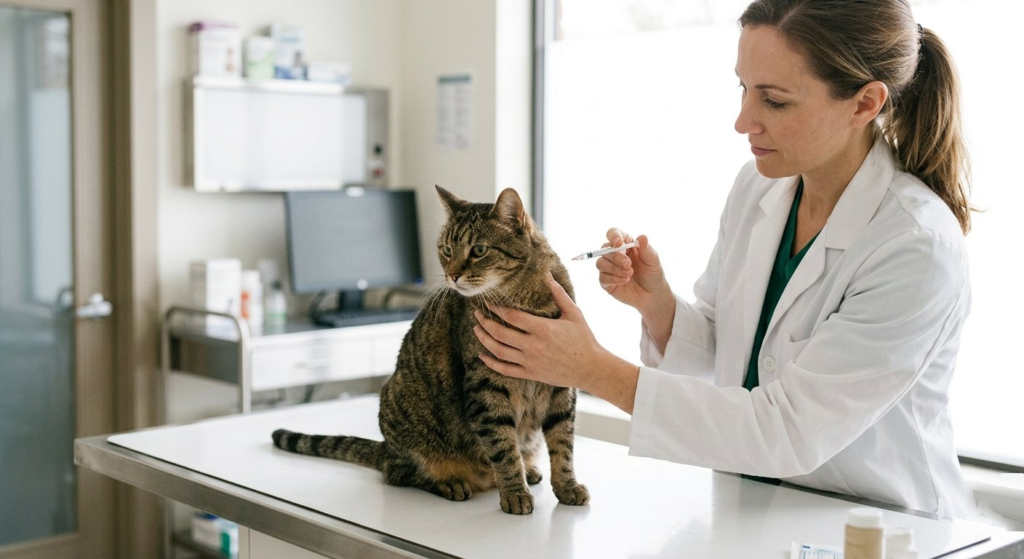
You probably already know that outdoor cats need vaccines. But what about your cat who never leaves the sofa? Many cat owners skip vet visits thinking their indoor cat is safe from disease. The truth is they are not fully protected just by staying indoors.
This guide covers exactly which vaccines your indoor cat needs, when to give them, and why vets strongly recommend them explained in simple, clear language anyone can understand.
Can an Indoor Cat Really Get Sick Without Going Outside?
Yes and more easily than most people think.
Disease does not need your cat to go outside. It comes to your cat. Here is how:
- You walk in from outside and bring virus particles on your shoes or clothing
- A friend visits after being around animals and unknowingly carries germs on their hands
- A bat, mouse, or rat enters your home and brings diseases with it
- You adopt a new cat or kitten with an unknown health background
- Your cat escapes through an open door or window even once is enough
- Your cat visits a groomer, vet clinic, or boarding facility where other animals have been
Some viruses are incredibly tough. The Panleukopenia virus, for example, can survive on surfaces for over six months. You can carry it home on your shoes long after contact with an infected animal without even knowing it.
The only practical way to protect your cat is vaccination. No home is a completely sealed bubble.
Core Vaccines vs. Lifestyle Vaccines What Is the Difference?
Vets divide cat vaccines into two groups:
Core Vaccines
These are vaccines that every cat should get indoor or outdoor, young or
old. They protect against diseases that are either very common, very serious,
or required by law.
Lifestyle (Non-Core) Vaccines
These are optional vaccines recommended only for cats with specific risks
like cats that go outside, visit kennels, or live with many other animals.
Your vet will tell you if your cat needs any of these.
The Core Vaccines Every Indoor Cat Needs
1. FVRCP (The “Cat Distemper Shot”)
This is the most important combination vaccine for cats. One single shot
protects against three serious diseases at once.
What does FVRCP protect against?
Feline Viral Rhinotracheitis (Herpesvirus)
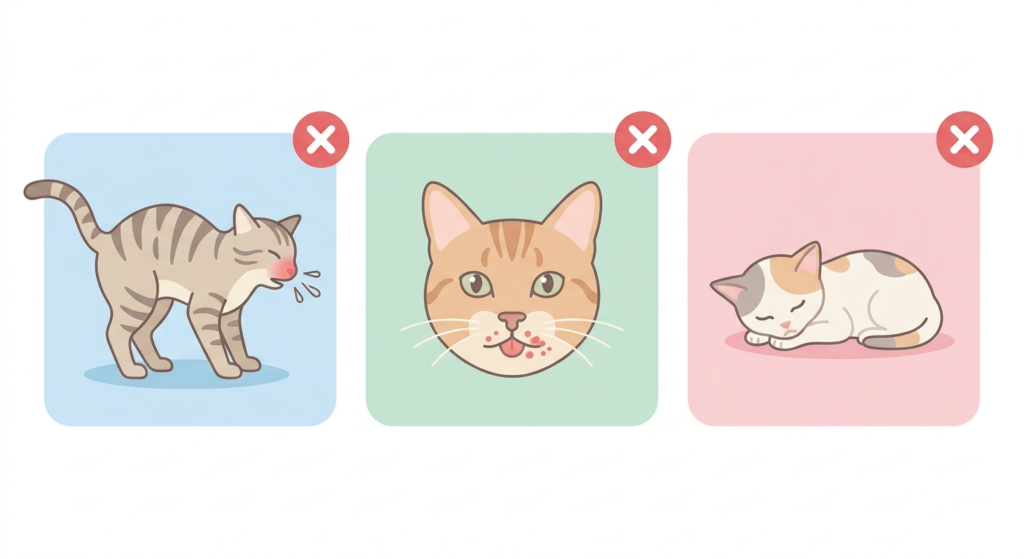
This is one of the leading causes of cat colds and upper respiratory infections. It spreads through shared food bowls, litter boxes, sneezing, or direct contact. Symptoms include sneezing, runny nose, eye discharge, and in serious cases like pneumonia.
The tricky part: once a cat catches herpesvirus, it stays in their body forever. During stressful times like moving house or a vet visit the virus can reactivate and make the cat sick again, even without any new exposure. Vaccination significantly reduces how serious these flare-ups are.
Feline Calicivirus
This virus also attacks the respiratory system and causes mouth ulcers,
sneezing, and joint pain. Some aggressive strains can cause organ failure and
even death. It can survive in the environment for around one month, so it can
travel home on clothing or surfaces.
Feline Panleukopenia (Feline Distemper / Parvovirus)
This is one of the most dangerous cat diseases. It spreads very easily and kills a high number of kittens who catch it. It destroys the cat’s white blood cells, leaving them unable to fight off other infections. It can survive on surfaces for over six months.
Even if your cat never goes outside, these three viruses can find their way into your home. That is why FVRCP is non-negotiable for every cat.
2. Rabies Vaccine
Rabies is 100% fatal. There is no cure and no treatment once symptoms appear. It affects all mammals including humans which is why this vaccine is required by law in most US states and many countries worldwide.
Your indoor cat could still be exposed to rabies if:
- A bat enters your home (this is more common than people think)
- Your cat escapes outside and encounters a wild animal
- An infected animal finds its way into your house
After vaccination, your vet gives you an official certificate. You need this for boarding, grooming, and legal compliance. Do not skip this one.
3. Feline Leukemia Virus (FeLV) Core for All Kittens
FeLV is a virus that destroys the cat’s immune system over time and can lead to cancer, anemia, and other serious conditions. It spreads between cats through saliva, urine, and feces often through shared bowls or grooming.
It cannot be cured. Prevention is the only option.
All kittens should receive this vaccine because:
- Kittens are much more vulnerable to FeLV than adult cats
- Any new kitten entering the home may have an unknown background
- Even a single contact with an infected cat at a shelter or vet clinic can transmit the virus
For adult indoor cats with very low exposure risk, your vet may decide the annual FeLV booster is not necessary. However, the initial kitten series is considered core for all cats.
The Exact Indoor Cat Vaccination Schedule for 2026
Kitten Vaccination Schedule (6 Weeks to 1 Year)
| Cat’s Age | Vaccines Given |
| 6 to 8 weeks | FVRCP (first dose) + FeLV (first dose) |
| 10 to 12 weeks | FVRCP (second dose) + FeLV (second dose) |
| 14 to 16 weeks | FVRCP (third dose if needed) + Rabies |
| 12 to 16 months | FVRCP booster + Rabies booster + FeLV booster |
At the first visit, your vet will also likely do a fecal exam to check for parasites, a blood test for feline leukemia, and give you advice on nutrition and grooming.
Kittens are not fully protected until they have completed the full series usually around 16 weeks of age. Until then, keep unvaccinated kittens away from unknown animals and limit outdoor exposure completely.
Adult Cat Vaccination Schedule (1 Year and Older)
| Vaccine | How Often for Indoor Cats |
| FVRCP | Every 3 years (indoor adults in good health) |
| Rabies | Every 1 to 3 years (depends on your state law) |
| FeLV | Every 1 to 2 years for higher-risk cats only |
Adult indoor cats in good health need far fewer shots than kittens. But skipping them entirely is still a risk. Viruses do not care how old your cat is and protection fades over time without booster shots.
What About Lifestyle (Non-Core) Vaccines for Indoor Cats?
These vaccines are not needed by every cat. Ask your vet whether any apply to your specific situation.
Bordetella
This bacteria causes respiratory infections that spread fast in spaces with many animals. Your vet may recommend it if your cat visits a groomer or boarding kennel. It does not fully prevent infection but makes the illness much less severe.
Chlamydia (Chlamydophila felis)
A bacterial infection that causes severe pink eye, mainly in cats under one year old. It is often included in the 4-in-1 combination shot. It is not routinely given on its own unless your cat lives with many other cats.
Feline Immunodeficiency Virus (FIV)
FIV is mainly transmitted through bites between cats. If your cat never goes outside and does not live with FIV-positive cats, this vaccine is generally not necessary.
What About the FIP Vaccine?
Feline Infectious Peritonitis (FIP) has a vaccine, but most veterinary guidelines do not recommend it. It has not shown enough protection in real-world conditions to be considered useful. Speak to your vet if you
have concerns about FIP specifically.
What Happens If You Do Not Vaccinate Your Indoor Cat?
Skipping vaccines does not just put your cat at risk of illness. It also creates practical problems:
- Most boarding facilities will refuse to take your cat without proof of a current rabies vaccine
- Vets often require up-to-date vaccines before any procedure including dental cleanings and emergency surgery
- In most US states, an unvaccinated cat is not legally compliant even if they live entirely indoors
- If your cat ever escapes or needs emergency rehoming, their lack of vaccination becomes an immediate problem
The diseases these vaccines prevent are not rare or mild. Panleukopenia kills kittens. Rabies kills all mammals. FeLV causes cancer. Vaccination is the simplest and most affordable way to protect your cat from all of them.
Vaccine Side Effects What Is Normal and What Is Not?
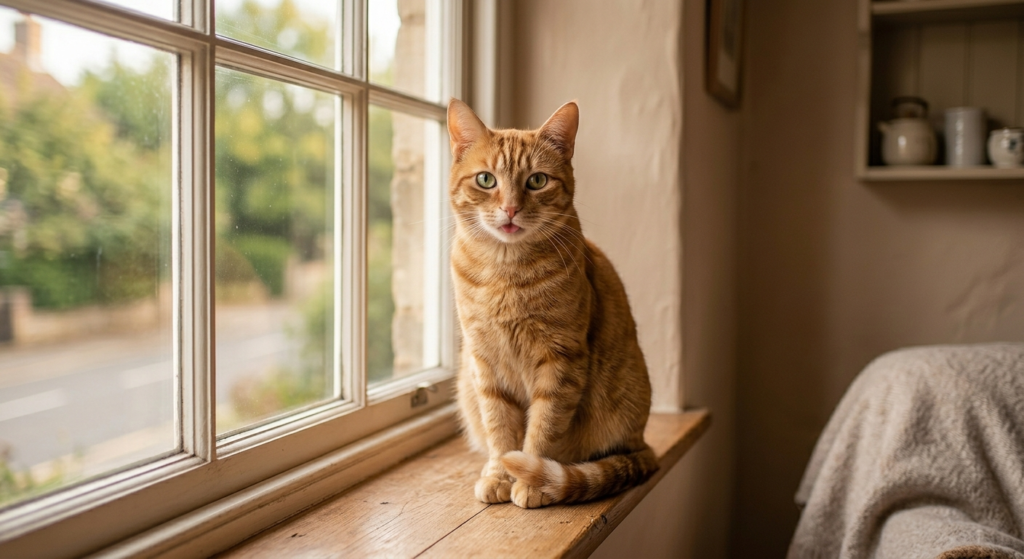
Most cats handle vaccines without any problems at all. Reactions happen in roughly 1 in every 200 cats. When they do occur, they are usually mild:
- A little soreness or swelling where the shot was given
- Lower energy for a day or two
- Slightly less interest in food for 24 hours
These are normal and usually go away on their own within 48 hours.
In rare cases, more serious reactions can happen. Contact your vet immediately if you notice:
- Vomiting or diarrhea that does not stop
- Swelling of the face or around the eyes
- Difficulty breathing
- Hives or skin lumps
- Extreme tiredness or inability to stand
- High fever
- A hard lump at the injection site that does not go away
Serious reactions are uncommon. But it is always better to call your vet if something does not feel right after a vaccine visit.
How Much Do Cat Vaccines Cost?
Cat vaccines typically cost between $15 and $40 per shot in the United States. The total cost for a kitten’s first year including the full series and boosters is usually between $100 and $200 depending on your location and the specific clinic.
Many vet clinics offer wellness plans that bundle vaccines, annual exams, parasite checks, and other preventive care into one monthly or yearly fee. These plans often work out cheaper than paying for each visit separately. Ask your vet about what plans they offer.
Why Booster Shots Matter as Much as the First Vaccine
Getting your cat vaccinated once is not enough. Immunity fades over time. Booster shots “top up” your cat’s protection before it drops low enough for the disease to take hold.
Think of it like a phone battery. The first vaccine charges it to 100%. Without boosters, it slowly drains. Boosters plug it back in before it runs out completely.
Your vet keeps track of your cat’s vaccination record and will remind you when boosters are due. Setting a reminder in your phone or calendar after each vet visit is a simple habit that can make a real difference to your cat’s health.
Questions People Often Ask About Indoor Cat Vaccinations
Does my indoor cat really need a rabies vaccine?
Yes. Rabies is required by law in most US states for all cats regardless of whether they go outdoors. Even if your cat has never left the house, legal compliance and safety both require this vaccine.
How often does an indoor cat need the FVRCP shot?
For healthy adult indoor cats, every three years. For kittens, senior cats, or cats that occasionally go outside, your vet may recommend annually.
Can my cat get sick right after a vaccine?
Mild tiredness or a sore injection site for a day or two is normal. Your cat should not show serious symptoms. If they do, call your vet.
My cat is 5 years old and has never been vaccinated. Is it too late?
No. It is never too late to start. Your vet will simply treat them like a new patient and create an appropriate starting schedule. Some cats may need to restart the initial series rather than jumping straight to boosters.
Are there risks to vaccinating a senior cat?
Senior cats can and should be vaccinated, but your vet may adjust the schedule based on any existing health conditions. Always let your vet know about any medications or health issues your older cat has before vaccination.
What is the 4-in-1 cat vaccine?
The 4-in-1 vaccine covers the three diseases in the FVRCP shot plus Chlamydia. It is used in some clinics in place of the standard FVRCP, especially in multi-cat households or catteries.
What Your Indoor Cat Needs in 2026
| Vaccine | Who Needs It | How Often |
| FVRCP | All cats | Every 3 years (adults); series for kittens |
| Rabies | All cats (law required) | Every 1–3 years |
| FeLV | All kittens; select adults | Kitten series + boosters based on risk |
| Bordetella | Cats in kennels/grooming | As recommended by vet |
| Chlamydia | Multi-cat households | As recommended by vet |
| FIV | Outdoor cats mainly | As recommended by vet |
Vaccination Is the Simplest Thing You Can Do for Your Cat
Your indoor cat depends completely on you to make health decisions for them. They cannot tell you when they feel unwell. They cannot protect themselves from a virus that hitched a ride on your jacket.
Vaccination is not expensive, not painful for most cats, and not complicated. It is a once-every-few-years commitment that could add years to your cat’s life. Talk to your vet at your cat’s next checkup and ask them to review your cat’s vaccination record. If it has been a while, now is a good time to get back on schedule.
This article is written for informational purposes only. It does not replace professional veterinary advice. Always speak to a licensed vet for guidance specific to your cat’s age, health, and lifestyle.