
Is your cat’s constant digestive distress leaving you feeling helpless and worried? Finding the right food can feel like a maze of confusing labels and ingredients, but you’re not alone in this journey. Many owners struggle to pinpoint the perfect diet that soothes their feline friend’s delicate system. The key is to find a formula that is both highly digestible and free from common irritants.
The best cat food for sensitive stomachs features highly digestible proteins, minimal fillers, and beneficial additives like probiotics to support gut health. These foods are specifically formulated to reduce symptoms like vomiting, diarrhea, and gas by using gentle ingredients that are easy for your cat’s system to process. Look for single, novel protein sources and easily digestible carbohydrates.
A sensitive stomach in cats is not a specific disease but a reaction to certain ingredients or a sign of an underlying digestive issue. It’s a common problem that many cat parents face. Whether you have a kitten with a delicate tummy, or an adult cat that has developed issues over time, understanding the signs and causes is the first step toward providing relief. This issue is a global concern for pet owners; in Dutch, for example, they refer to it as a ‘gevoelige maag’.
Observing your cat’s behavior, appetite, and litter box habits can provide crucial clues. While an occasional upset stomach might not be a cause for alarm, persistent symptoms warrant a closer look at their diet and a potential consultation with your veterinarian. Identifying the root cause is essential for finding a long-term solution that keeps your cat comfortable and healthy.
Recognizing the symptoms of digestive sensitivity is crucial for addressing the problem early. These signs can range from mild and infrequent to severe and chronic. If you notice one or more of these issues consistently, it’s a strong indicator that your cat’s current food may not be agreeing with them.
Pay close attention to changes after meals or when introducing new treats. Here are the most common signs to watch for:
- Vomiting or Regurgitation: Frequent throwing up, especially undigested food shortly after eating.
- Diarrhea or Loose Stools: Consistently soft or watery feces in the litter box.
- Gas and Bloating: Excessive flatulence or a visibly distended abdomen.
- Decreased Appetite or Picky Eating: A sudden lack of interest in food they once enjoyed.
- Lethargy: A noticeable drop in energy levels, which can be linked to poor nutrient absorption.
- Weight Loss: Unexplained weight loss despite eating regular meals.
Potential Causes of Digestive Upset
Several factors can contribute to a cat’s sensitive stomach. It’s often not just one thing but a combination of diet, lifestyle, and individual physiology. Food is a primary suspect, but it’s important to consider other possibilities before making drastic dietary changes. A proper diagnosis from a vet can help rule out more serious conditions.
Some cats are simply born with more delicate digestive tracts, while others develop sensitivities over time. The potential causes include food allergies or intolerances, where the immune system reacts to specific proteins like chicken or beef. Other factors include eating too quickly, sudden changes in diet without a proper transition period, or underlying medical issues like inflammatory bowel disease (IBD), parasites, or stress.
How We Chose the Best Cat Foods for 2026
Our selection process for the top sensitive stomach cat foods of 2026 is rigorous and multifaceted. We prioritize formulas that are built on a foundation of nutritional science and proven to be gentle on the digestive system. We analyze ingredient lists, consult with veterinary nutrition principles, and sift through real-world feedback to identify the most effective options available.
Our goal is to provide recommendations you can trust. We look beyond marketing claims to evaluate what truly matters: the quality and digestibility of the ingredients inside the bag or can. A food’s ability to soothe the gut while providing complete and balanced nutrition is our primary benchmark.
Highly Digestible Core Ingredients
The cornerstone of any good sensitive stomach diet is high digestibility. This means the nutrients in the food are easily broken down and absorbed by the cat’s body, leaving less undigested waste to cause irritation in the gut. We specifically look for foods that use high-quality, easily digestible animal proteins as the first ingredient.
We also favor formulas that use simple, whole-food carbohydrate sources like sweet potatoes or peas instead of common fillers like corn, wheat, or soy. These complex fillers can be difficult for some cats to process and may trigger sensitivities. The goal is to maximize nutrient absorption while minimizing the workload on the digestive tract.
Quality of Protein Sources
Protein is vital for cats, but the source and quality matter immensely, especially for those with sensitivities. We prioritize foods that use novel proteins (like duck, rabbit, or venison) or hydrolyzed proteins. Novel proteins are those your cat has likely never been exposed to, reducing the chance of an allergic reaction. Hydrolyzed proteins are broken down into tiny pieces, making them too small for the immune system to recognize as allergens.
We scrutinize labels to ensure the protein is from a named animal source (e.g., “deboned chicken” instead of “meat by-products”). This transparency indicates a higher quality product and allows owners to avoid specific proteins that they know cause issues for their pet. A complete cat nutrition guide can help you understand these labels better.
Inclusion of Probiotics and Prebiotics
A healthy gut microbiome is essential for proper digestion. Probiotics are beneficial bacteria that support a balanced gut environment, while prebiotics are specific types of fiber that feed these good bacteria. We give preference to cat foods that include these functional ingredients.
Ingredients like Fructooligosaccharides (FOS) or chicory root are common prebiotics, while dried fermentation products indicate the presence of probiotics. This combination helps to fortify the digestive system from the inside out, improving stool quality and overall gut health over time. These additions are a key feature in modern, high-quality digestive care formulas.
“For a cat with a sensitive stomach, the goal isn’t just to avoid triggers but to actively support and heal the gut. That’s why the inclusion of prebiotics and probiotics in the best cat food for sensitive stomachs is no longer a bonus, but a necessity for long-term digestive wellness in 2026.”
Veterinarian Recommendations and Owner Reviews
Finally, we balance scientific analysis with real-world results. We consider which formulas are frequently recommended by veterinarians for digestive issues, as these are often backed by clinical evidence. Therapeutic veterinary diets, in particular, undergo extensive testing to prove their efficacy.
We also analyze thousands of owner reviews from verified purchasers. This feedback provides invaluable insight into how cats actually respond to these foods. We look for consistent patterns of positive outcomes, such as reduced vomiting, firmer stools, and improved coat quality, to validate our top choices. For more research, you can also review independent sources like The Best Sensitive Stomach Cat food guides.
Our 2026 Picks: Top Cat Foods for Sensitive Stomachs
After extensive research and analysis based on our strict criteria, we’ve compiled our list of the best types of cat food for sensitive stomachs for 2026. This selection covers various needs and preferences, from wet to dry formulas and specialized diets. Each category represents a top-tier solution for managing digestive sensitivities and promoting a healthy gut.
Remember, the absolute best food for your individual cat may require some trial and error. Always consult your veterinarian before making a significant dietary change, especially if your cat has a pre-existing health condition. The following recommendations are designed to give you an excellent starting point.
| Food Category | Primary Protein Type | Key Benefit | Best For |
|---|---|---|---|
| Best Overall | Novel Protein (e.g., Duck, Rabbit) | Balanced, highly digestible formula with probiotics | Most cats with general sensitivities |
| Best Wet Food | Hydrolyzed or Single Source Protein | High moisture content aids digestion and hydration | Cats prone to dehydration or urinary issues |
| Best Dry Food | Easily Digestible Chicken or Turkey | Convenient, with added fiber and prebiotics | Cats who prefer kibble and need dental benefits |
| Limited Ingredient Diet (LID) | Single Novel Protein & Carb | Minimizes potential allergens and irritants | Cats with suspected food allergies |
| Veterinary Gastrointestinal | Hydrolyzed Soy or Chicken | Clinically proven for severe digestive issues | Cats under veterinary care for GI disease |
Best Overall Sensitive Stomach Cat Food
Our choice for the best overall formula strikes an ideal balance between high-quality, digestible ingredients and advanced gut support. These foods typically feature a novel protein like duck or rabbit as the primary ingredient, which is less likely to trigger an immune response than common proteins like chicken or beef. They are designed to be a complete and balanced meal for adult cats.
In addition to a gentle protein source, these top-tier foods are fortified with a blend of prebiotics and probiotics to foster a healthy gut microbiome. They also contain an optimal mix of fibers to ensure firm stools and omega fatty acids for skin and coat health. This comprehensive approach makes it an excellent first choice for most cats experiencing mild to moderate digestive upset.
Best Wet Food for Digestive Health
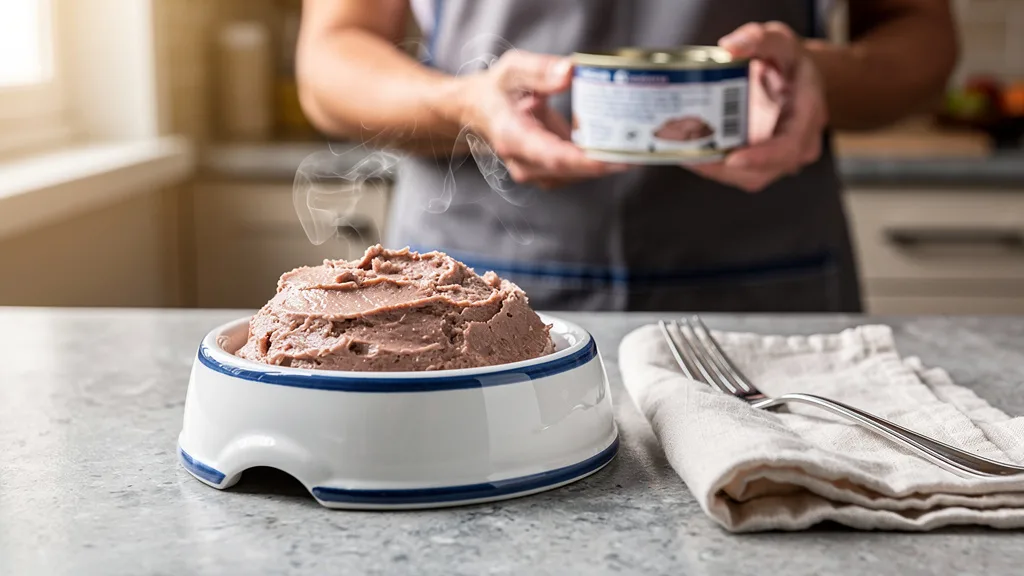
For cats with sensitive stomachs, wet food offers a significant advantage: high moisture content. The extra water helps with digestion, improves kidney function, and can prevent dehydration, especially in cats that don’t drink enough. Our top pick in this category is a pâté-style food, which is often easier to digest than chunky styles.
These formulas typically use a single, high-quality protein source and are grain-free, using digestible carbohydrates like pumpkin or sweet potato instead. The smooth texture and high water content make it exceptionally gentle on the GI tract, making it a perfect choice for cats recovering from a bout of diarrhea or for those who need extra hydration.
Best Dry Food for Easy Digestion
While wet food has its benefits, many cats prefer the crunch of kibble, and owners appreciate the convenience of dry food. The best dry food for easy digestion is formulated with smaller, easy-to-chew kibble and avoids heavy grains and artificial additives. These recipes focus on highly digestible proteins like chicken or turkey, which are processed for maximum nutrient absorption.
Look for formulas that explicitly mention “easy to digest” and include a blend of soluble and insoluble fibers. This fiber combination helps regulate digestion, preventing both constipation and diarrhea. The inclusion of antioxidants and probiotics further supports the immune system and overall gut health, making it a solid choice for long-term feeding.
Best Limited Ingredient Diet (LID) Food
When you suspect a food allergy or intolerance is the cause of your cat’s stomach issues, a Limited Ingredient Diet (LID) is the best approach. These diets are designed with a minimalist philosophy, typically containing only one novel animal protein and one or two easily digestible carbohydrate sources. This simplicity makes it much easier to identify and eliminate trigger ingredients.
Proteins like venison, rabbit, or duck are common in LID formulas because most cats have not been exposed to them. By removing common allergens like chicken, beef, dairy, and fish, you can give your cat’s digestive system a rest. LIDs are the go-to choice for an elimination diet trial conducted under the guidance of your veterinarian.
Best Veterinary Gastrointestinal Food
For cats with more severe or chronic digestive conditions like Inflammatory Bowel Disease (IBD) or pancreatitis, a veterinary diet is often necessary. These are prescription-only foods formulated with the highest level of digestive support and backed by clinical research. They are only available through a veterinarian after a proper diagnosis.
These formulas often use hydrolyzed proteins, which are chemically broken down into components too small to trigger an allergic reaction. They also contain a precise blend of fibers, electrolytes, and highly digestible fats to manage symptoms and promote healing of the GI tract. While more expensive, these diets can be life-changing for cats with significant health challenges.
Key Ingredients in Sensitive Stomach Formulas
Understanding the label on a bag of sensitive stomach cat food can feel like deciphering a code. However, knowing which ingredients to look for, and which to avoid, is the most powerful tool you have. The right components work synergistically to soothe the gut, improve nutrient absorption, and promote long-term digestive health.
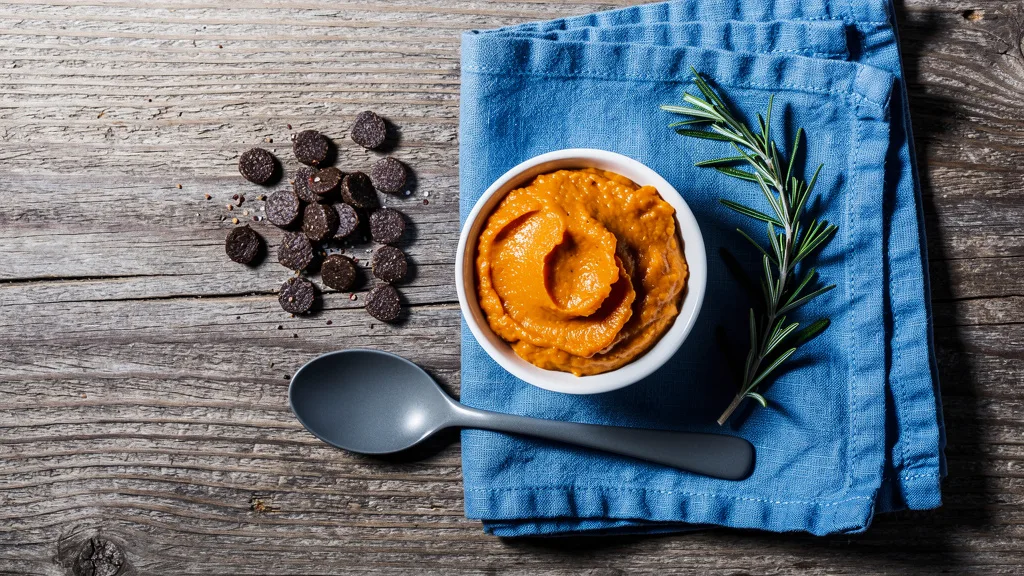
Formulas for sensitive systems are defined by what they include as much as by what they leave out. They focus on gentle, high-quality sources of protein, fiber, and carbohydrates while steering clear of common irritants and allergens. For more on this, you can check out guides on Sensitive Skin & Stomach Cat food.
What Type of Protein Is Best for a Sensitive Stomach?
The type of protein is often the most critical factor for a cat with a sensitive stomach. Since food allergies are a common cause of GI upset, switching to a protein your cat has never eaten before, known as a “novel protein,” can make a world of difference. Excellent novel protein choices include duck, rabbit, venison, and even kangaroo.
Another effective option is hydrolyzed protein. In these diets, the protein is broken down into its amino acid building blocks, making it virtually impossible for the cat’s immune system to identify it as an allergen. While often found in pricier veterinary diets, they are extremely effective for cats with severe food intolerances.
The Role of Fiber and Easily Digested Carbs
Fiber plays a dual role in digestive health. Soluble fiber, found in ingredients like pumpkin and beet pulp, absorbs water to form a gel, which can help firm up loose stools. Insoluble fiber, found in sources like cellulose, adds bulk to the stool and helps food move through the digestive tract, preventing constipation. A good sensitive stomach food will have a balanced blend of both.
Carbohydrates should be minimal but also highly digestible. Instead of corn or wheat, which can be irritating, look for gentle carb sources like sweet potatoes, peas, or tapioca. These provide necessary energy without overburdening the digestive system.
Common Allergens and Irritants to Avoid
Just as important as what’s in the food is what’s not. Many commercial cat foods contain common allergens and fillers that can exacerbate digestive issues. When choosing a food, it’s wise to read the ingredient list carefully and avoid formulas that contain these potential troublemakers.
Here is a list of ingredients to steer clear of if you suspect your cat has a sensitive stomach:
- Common Protein Allergens: Beef, fish, chicken, and dairy are the most frequent culprits.
- Fillers with Low Nutritional Value: Corn, wheat, and soy are often used to bulk up food but can be hard for cats to digest.
- Artificial Additives: Avoid artificial colors, flavors, and preservatives like BHA, BHT, and ethoxyquin.
- Meat By-products: Vague terms like “meat by-products” can indicate low-quality, inconsistent protein sources.
How to Safely Transition Your Cat to a New Food
Once you’ve selected a new food, it’s crucial to introduce it slowly. Switching your cat’s diet abruptly can shock their system and worsen the very digestive issues you’re trying to solve, leading to vomiting or diarrhea. A gradual transition over 7 to 10 days gives their gut microbiome time to adapt.
Start by mixing a small amount of the new food with their old food, and gradually increase the proportion of the new food each day. Monitor your cat closely during this period for any adverse reactions. If you notice any digestive upset, slow down the transition and give them an extra day or two at the current ratio before increasing the new food again.
We recommend the following transition schedule:
- Days 1-2: 75% old food, 25% new food.
- Days 3-4: 50% old food, 50% new food.
- Days 5-6: 25% old food, 75% new food.
- Day 7 onwards: 100% new food.
Key Takeaways
Navigating the world of cat food for sensitive stomachs can be complex, but focusing on a few core principles can lead to success. The right diet can transform your cat’s health, leading to less digestive upset, more energy, and a happier companion. Here are the most important points to remember from our 2026 guide.
- Identify the Signs: Persistent vomiting, diarrhea, gas, or appetite changes are key indicators of a sensitive stomach.
- Focus on Ingredients: The best formulas feature highly digestible, novel, or hydrolyzed proteins and avoid common allergens like beef, chicken, and dairy.
- Support the Gut: Look for foods fortified with prebiotics and probiotics to promote a healthy gut microbiome and improve digestion.
- Choose the Right Format: Wet food aids hydration, while limited ingredient diets (LID) are ideal for pinpointing allergies.
- Transition Slowly: Always introduce a new food gradually over 7-10 days to allow your cat’s system to adjust without further irritation.
- Consult Your Vet: Before making any major dietary changes, and especially for persistent issues, a veterinarian’s guidance is essential.
Frequently Asked Questions
We’ve answered some of the most common questions cat owners have about finding the right food for their sensitive feline companions. If your question isn’t answered here, we always recommend a consultation with your veterinarian.
What is the best food for a cat that throws up a lot?
For a cat that throws up frequently, the best food is often a highly digestible, limited ingredient wet food. The high moisture content of wet food is gentler on the esophagus and stomach. Look for a formula with a novel protein like duck or rabbit and minimal ingredients to reduce the chances of a reaction. Sometimes, switching to a hydrolyzed protein veterinary diet is necessary for chronic vomiting.
Also, consider the reason for the vomiting. If your cat eats too fast, a slow-feeder bowl can help. However, persistent vomiting can be a sign of more serious issues, such as the ones discussed in our guide to cat kidney disease, and requires veterinary attention.
What food can help settle a cat’s stomach quickly?
To settle a cat’s stomach quickly during a bout of mild upset, a bland diet is often recommended for a day or two. This could consist of plain, boiled chicken (with no skin or bones) mixed with a small amount of plain canned pumpkin. Pumpkin is a great source of soluble fiber that can help firm up stool.
For a commercially prepared option, a veterinary gastrointestinal formula is designed for rapid relief. These foods are extremely easy to digest and can help calm an inflamed GI tract quickly. Always provide plenty of fresh water and consult a vet if symptoms don’t improve within 24-48 hours.
Are grain-free foods better for cats with sensitive stomachs?
Not necessarily. While true grain allergies are rare in cats, many grain-free foods are beneficial because they replace heavy grains like corn and wheat with more easily digestible carbohydrates like sweet potatoes, peas, or pumpkin. The benefit often comes from the higher quality of ingredients overall, not just the absence of grains.
However, some cats can be sensitive to the replacement carbohydrates like legumes. The most important factor is finding a specific formula that your individual cat tolerates well, whether it contains grains or not. The focus should be on the primary protein source and overall digestibility.
How long does it take for a new sensitive stomach food to work?
After you’ve completed a slow 7-10 day transition to the new food, you should start to see improvements in your cat’s digestive health within 2 to 4 weeks. Symptoms like vomiting and diarrhea should decrease, and you may notice better stool quality and improved energy levels. For issues related to food allergies, it can sometimes take up to 8-12 weeks for all symptoms, including skin issues, to fully resolve.
Patience is key. If you don’t see any improvement after a month, or if symptoms worsen, it’s time to check back in with your veterinarian. The food may not be the right match, or there could be an underlying medical issue that needs to be addressed.
When should I see a vet for my cat’s stomach issues?
You should see a vet if your cat’s stomach issues are severe, persistent, or accompanied by other concerning symptoms. Occasional, mild digestive upset can often be managed with a diet change, but professional medical advice is crucial in many situations. It’s important to rule out more serious health problems.
Schedule a vet visit if you notice any of the following: frequent vomiting (more than once a week), chronic diarrhea that lasts more than 48 hours, blood in the stool or vomit, significant weight loss, lethargy, or refusal to eat or drink. Keeping up with preventative care, such as the recommended indoor cat vaccinations, is also key to their overall health.
Conclusion
Choosing the best cat food for sensitive stomachs is a critical step in managing your cat’s digestive health and overall well-being. The journey requires patience, observation, and a focus on high-quality, digestible ingredients. By prioritizing novel or hydrolyzed proteins, beneficial fibers, and gut-supporting probiotics, you can significantly reduce symptoms like vomiting and diarrhea and improve your cat’s quality of life.
Remember that every cat is an individual, and what works for one may not work for another. The key takeaways are to transition to any new food slowly, monitor your cat’s response closely, and avoid common allergens and low-quality fillers. A limited ingredient diet can be an invaluable tool for identifying specific food sensitivities, while veterinary diets offer powerful solutions for more severe conditions.
Ultimately, partnering with your veterinarian is the surest path to success. They can help you rule out underlying medical issues and guide you toward the most appropriate dietary plan for your cat’s specific needs. A calm tummy leads to a happy, energetic, and thriving feline companion.
If you feel overwhelmed by the options or want personalized guidance for your cat’s unique situation, our team is here to help. We can help you navigate the choices and find a solution that works. Ready to find the perfect food for your cat? Get started.