
Are you feeling overwhelmed by the sheer number of flea products on the shelf, wondering which one is truly the safest and most effective for your feline friend? Choosing the right protection is one of the most important health decisions you’ll make as a cat owner. The best flea treatment depends entirely on your cat’s specific age, health status, lifestyle, and the severity of any existing flea problem.
When considering cat flea treatment options compared, the main categories include topical spot-on liquids, oral tablets or chews, and medicated collars. Each method has distinct advantages for ease of use, duration of protection, and the types of pests they target. This guide will walk you through the differences between these options, compare popular brands like Frontline and Advantage, and help you make an informed choice for a happy, itch-free cat.
Why Treating Cat Fleas and Ticks Is Non-Negotiable
Fleas and ticks are more than just a nuisance; they pose significant health risks to your cat. A single flea bite can trigger a severe allergic reaction known as flea allergy dermatitis (FAD), causing intense itching, skin inflammation, scabs, and hair loss. For kittens or frail cats, a heavy flea infestation can lead to anemia, a dangerous drop in red blood cells that can be fatal if left untreated. Furthermore, fleas are intermediate hosts for tapeworms, meaning your cat can become infected simply by ingesting a flea while grooming.
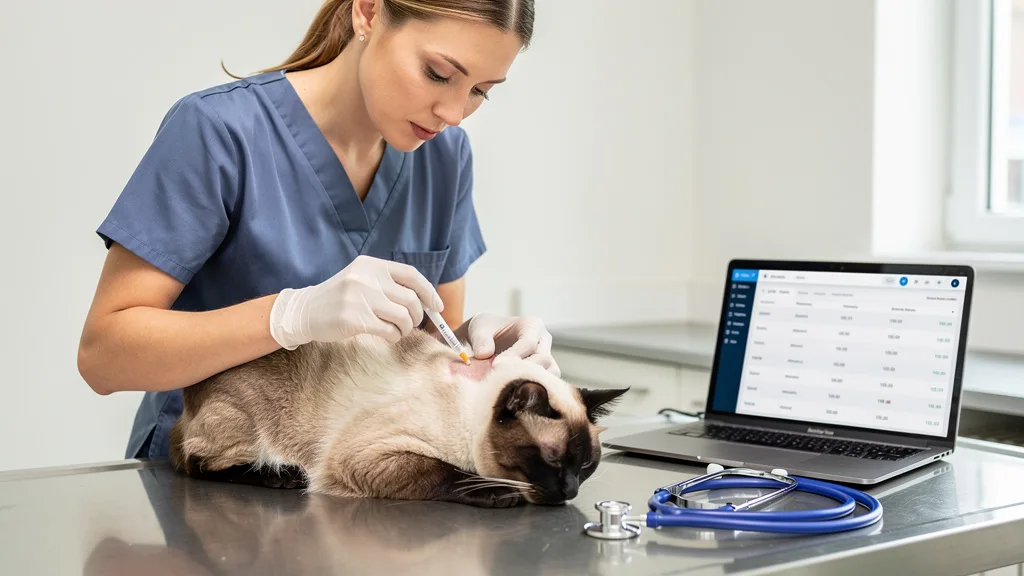
Beyond the direct harm to your cat, these parasites are a threat to your home environment. A female flea can lay up to 50 eggs per day, which fall off your cat and into your carpets, furniture, and bedding. This can quickly lead to a full-blown home infestation that is difficult and costly to eradicate. Therefore, consistent flea and tick prevention is not just about your cat’s comfort, but a critical component of their overall health and your household’s hygiene.
Comparing the Main Types of Cat Flea Treatments in 2026
Navigating the world of flea control involves understanding the primary methods of application and how they work. The most common and effective solutions fall into a few key categories, each with its own set of benefits and considerations. As of 2026, advancements have made these products safer and more effective than ever, but it’s crucial to match the product type to your cat’s needs.
Topical Spot-On Treatments
Topical or spot-on treatments are one of the most popular choices among cat owners. These are concentrated liquids applied directly to the skin, usually at the base of the cat’s neck where they cannot lick it off. The active ingredients are absorbed into the cat’s skin and coat oils, spreading across the body to provide comprehensive protection. They typically kill fleas and sometimes ticks on contact, meaning the parasite doesn’t have to bite your cat to die.

Products like Frontline and Advantage are leading examples of spot on topical treatments. They are generally easy to apply and offer protection for about 30 days. The primary downsides can be a temporary greasy spot on the fur and, in rare cases, localized skin reactions. It’s also important to keep your cat from getting wet for a short period after application as specified by the product instructions.
Oral Tablets and Chews
Oral flea treatments, which come in the form of pills or flavored chews, are an excellent alternative for cats who have skin sensitivities or for households with small children who shouldn’t touch topical medication. These treatments pills are ingested by the cat and work systemically. When a flea bites the treated cat, it ingests the active ingredient and dies quickly, often before it has a chance to lay eggs.
The main benefits of oral medications are the lack of mess and the fact that their effectiveness isn’t compromised by bathing or swimming. Some formulations also offer broader protection to protect against heartworms and other internal parasites. The challenge can be administering the pill to a fussy cat, and most of these products require a prescription from your veterinarian.
Flea and Tick Collars
Modern flea and tick collars have evolved significantly from their predecessors. Today’s high-quality collars, like those from the Seresto brand, release a low, steady concentration of active ingredients over a long period, often up to eight months. This offers a convenient, set-it-and-forget-it approach to parasite control. The chemicals transfer to the cat’s skin and coat, repelling and killing fleas and ticks on contact.
While extremely convenient, collars are not suitable for all cats. Some felines may experience skin irritation or hair loss beneath the collar. The most critical safety feature to look for is a breakaway mechanism, which allows the collar to snap off if it gets caught on something, preventing a choking hazard. Their effectiveness can vary, and they are generally better for prevention than for eliminating a severe, active infestation.
Flea Shampoos and Sprays
Flea shampoos and sprays are designed to kill fleas on contact and are best used to address an active, existing infestation. A flea bath can provide immediate relief for a heavily infested cat by washing away adult fleas, flea dirt, and eggs currently on their body. However, these products have very little residual effect, meaning they do not provide lasting protection once the cat is dry.
Because they are labor-intensive and can be very stressful for cats who dislike water, shampoos are not considered a primary method for long-term prevention. They are a tool for a specific situation, often used as the first step in a larger flea eradication plan that will also include a longer-lasting preventative and environmental treatment.
Flea Combs and Manual Removal Tools
A fine-toothed flea comb is an essential, non-toxic tool for any cat owner. Combing your cat regularly allows you to monitor for the presence of fleas, flea eggs, and flea dirt (which looks like black specks). The comb’s teeth are spaced closely enough to trap and remove adult fleas from your cat’s coat. This is a great method for very young kittens who are not old enough for chemical treatments.
While manual removal is satisfying, it is not a standalone solution for an infestation. It’s impossible to remove every single flea and egg with a comb alone. It should be used in conjunction with a vet-approved treatment to ensure all life stages of the flea are eliminated. Think of it as a diagnostic and supplementary tool rather than a primary treatment.
Prescription vs. Over-the-Counter (OTC) Flea Treatments
One of the biggest decisions you’ll face is whether to choose a prescription or an over-the-counter (OTC) product. OTC treatments, like many versions of Frontline, Advantage, and flea collars, are widely available in pet stores and online without a vet’s approval. They are convenient and can be effective, particularly for fleas. However, they typically have a narrower spectrum of protection compared to their prescription counterparts.

Prescription medications are sold only through a licensed veterinarian. These products, which often include prescription-strength topicals and most oral medications, may contain newer or more potent active ingredients. They frequently offer broader protection, targeting not just fleas but also ticks, ear mites, and internal parasites like heartworm and roundworms. A vet’s guidance ensures you select a product that is safe and appropriate for your cat’s specific health profile, which is especially important for cats with chronic health conditions like those detailed in our guide on cats with chronic health conditions.
“While OTC options are convenient, we always recommend consulting your vet before starting any new treatment. A prescription product may be safer and more effective for your cat’s specific health needs and lifestyle,” says our lead cat care expert.
Frontline vs. Advantage: Which Spot-On Is Better for Cats?
Frontline and Advantage are two of the most recognized names in the OTC spot-on market. While both are effective at killing fleas, they use different active ingredients and offer different spectrums of protection. Understanding these differences is key to deciding which is better for your cat‘s unique situation.
Key Differences in Active Ingredients
The primary active ingredient in Advantage II is Imidacloprid, which attacks the flea’s nervous system, causing paralysis and death. It also contains Pyriproxyfen, an insect growth regulator (IGR) that prevents flea eggs and larvae from developing into adult fleas, thereby breaking the life cycle. This combination is highly effective against fleas in all life stages.
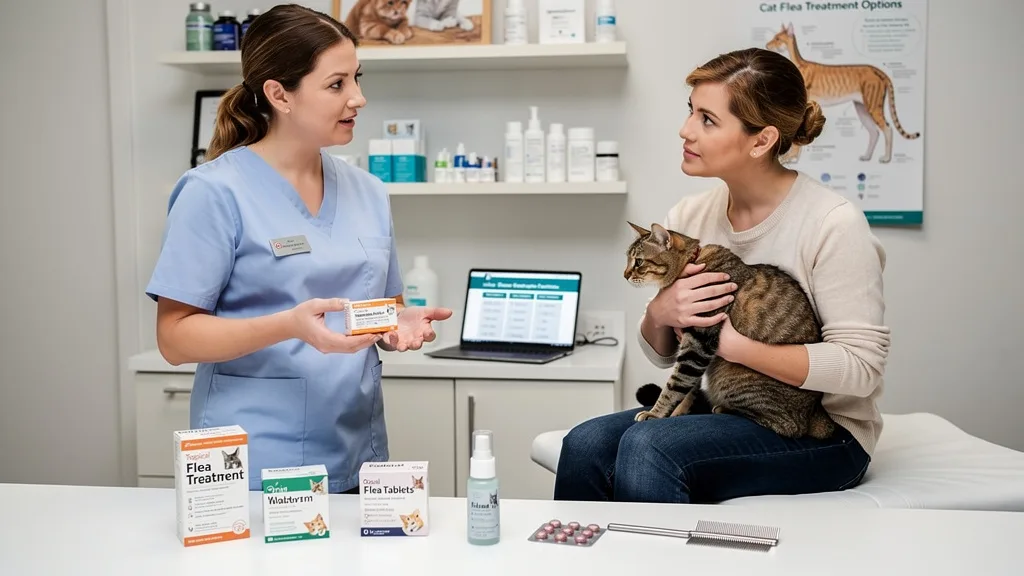
Frontline Plus uses Fipronil to kill adult fleas and ticks, and (S)-methoprene as its IGR to handle eggs and larvae. Fipronil collects in the hair follicles and is slowly released over time, providing lasting protection. The key distinction here is the addition of tick control, which is a major factor for many pet owners.
Spectrum of Protection: Fleas, Ticks, and More
This is the most significant point of comparison. Advantage II is a flea specialist; it is extremely effective at killing fleas at all stages of their life cycle but does not claim to kill ticks. If your primary concern is fleas, it is an excellent choice. This can be an ideal focus for strictly indoor cats in areas where ticks are not a major concern.
Frontline Plus, on the other hand, offers broader protection by killing both fleas and ticks, as well as chewing lice. If your cat spends any time outdoors or if you live in an area where ticks are prevalent, the added tick prevention offered by Frontline is a crucial benefit. Choosing the right product often comes down to this single factor: whether or not you need tick control.
Application and Duration of Effectiveness
Both Frontline Plus and Advantage II are topical liquids applied to the skin at the back of the cat’s neck. Application is similar for both, requiring you to part the fur and apply the entire dose from the single-use applicator. Each treatment provides protection for one full month.
Both products are also waterproof after a certain period, typically 24 to 48 hours after application. This means you don’t have to worry about a sudden rainstorm or your cat’s grooming habits washing away the treatment’s effectiveness before the month is up. Always check the specific product’s packaging for exact drying times.
Cost and Accessibility Comparison
In terms of cost and accessibility, both Frontline and Advantage are highly competitive and readily available. You can find them at major pet retailers, veterinary offices, and online stores. Prices can vary slightly depending on the retailer and the size of the package you buy (e.g., a 3-month vs. a 6-month supply), but they are generally in a similar price bracket.
Because they are both established OTC products, you do not need a prescription for the most common versions of either brand. This makes them a convenient option for many cat owners looking for reliable flea control without a mandatory vet visit, although a consultation is always recommended before starting any new health product.
| Feature | Frontline Plus for Cats | Advantage II for Cats |
|---|---|---|
| Main Active Ingredients | Fipronil, (S)-methoprene | Imidacloprid, Pyriproxyfen |
| Kills Adult Fleas | Yes | Yes |
| Kills Flea Eggs & Larvae | Yes | Yes |
| Kills Ticks | Yes (multiple species) | No |
| Kills Chewing Lice | Yes | No |
| Duration of Protection | 30 days | 30 days |
| Application Method | Topical spot-on | Topical spot-on |
How to Choose the Most Effective Flea Treatment for Your Cat
With a clear understanding of the types of treatments and popular brands, the final step is to apply this knowledge to your own cat. The most effective flea treatment is not a one-size-fits-all solution. It’s a personalized choice based on several critical factors unique to your pet and your environment.
An expert from The Best Flea and Tick Treatments guide notes that a veterinarian’s advice is invaluable for navigating the options, especially for cats with health issues.
Considering Your Cat’s Age and Health
Your cat’s age and overall health are the most important considerations. Products are specifically formulated for different life stages, with lower doses available for kittens. Never use a treatment on a kitten that is younger than the age specified on the label, which is typically 8-10 weeks. Senior cats, pregnant or nursing queens, and cats with pre-existing health conditions require a veterinarian’s approval before starting any flea treatment.
For example, some ingredients may not be suitable for a cat with a history of seizures or known liver issues. A vet can recommend a product with a proven safety profile for your cat’s specific situation, ensuring their protection doesn’t come at the cost of their well-being. This level of personalized care is crucial for their long-term health.
Lifestyle Factors: Indoor vs. Outdoor Cats
Your cat’s lifestyle plays a huge role in determining the necessary spectrum of protection. A cat that roams outdoors is exposed to a much wider range of parasites, most notably ticks. For these adventurous felines, a broad-spectrum product that kills both fleas and ticks, like Frontline Plus or a prescription equivalent, is essential for comprehensive protection.
Even strictly indoor cats need protection. Fleas can easily hitch a ride into your home on your clothing or on other pets. For them, a flea-specific product like Advantage II may be sufficient. However, discussing even minimal tick risk with your vet is wise, as this is a key part of essential preventive care for indoor cats. The decision should be based on a realistic assessment of exposure risk.
Severity of the Flea Infestation
Finally, consider whether you are preventing a future problem or fighting an existing one. For prevention, a monthly topical or a long-lasting collar is usually sufficient. However, if your cat and home are already infested, you will need a more aggressive, multi-pronged approach.
This typically involves using a fast-acting product (like an oral tablet or a flea shampoo) to provide immediate relief for your cat, followed by a long-term preventative to stop re-infestation. Crucially, you must also treat your home environment by thoroughly vacuuming all floors and furniture, washing all bedding in hot water, and potentially using a household flea spray recommended by your vet to eliminate eggs and larvae hiding in your home.
Key Takeaways
Choosing the right flea protection can feel complex, but breaking it down makes the decision manageable. As you weigh the different cat flea treatment options compared in this guide, remember these essential points to ensure you’re making the best choice for your feline companion’s health and comfort.
- No Single Best Treatment: The most effective flea treatment is the one that best fits your cat’s individual age, health status, and lifestyle (indoor vs. outdoor).
- Key Prevention Methods: The main preventative treatments are monthly topical spot-ons, oral tablets/chews, and long-lasting collars. Shampoos and combs are supplementary tools for active infestations.
- Protection Spectrum Matters: Determine if you need flea-only protection (like Advantage II) or broader coverage that includes ticks (like Frontline Plus or many prescription options).
- Consult Your Veterinarian: A vet’s advice is invaluable, especially for kittens, seniors, or cats with health issues. Prescription options often provide the most comprehensive protection.
- Treat the Environment: For an active infestation, treating your cat is only half the battle. You must also treat your home by vacuuming, washing bedding, and using household sprays to eliminate the entire flea life cycle.
Frequently Asked Questions
How often should I apply flea treatment to my cat?
For most topical spot-on and oral flea treatments, the application is once every 30 days. Flea collars can last much longer, often up to eight months. However, it is absolutely critical to read and follow the specific instructions on the product packaging you are using.
Applying treatment too often can lead to overdose and toxicity, while waiting too long between doses can create a gap in protection, leaving your cat vulnerable to re-infestation. Set a calendar reminder to ensure you administer the treatment on time every month.
Can I use dog flea treatment on my cat?
No, you must never use a dog flea treatment on a cat. Many flea products for dogs contain permethrin or other pyrethroids, which are extremely toxic to cats and can cause severe neurological damage, seizures, and even death. Cats lack the specific liver enzyme needed to metabolize these chemicals safely.
Always use a product that is specifically labeled for use on cats and is appropriate for your cat’s correct weight range. If you have both dogs and cats in your home, it’s also wise to separate them for a period after applying a dog’s topical treatment to prevent accidental transfer.
What are the signs of a flea allergy in cats?
Flea allergy dermatitis (FAD) is one of the most common skin diseases in cats. The primary sign is intense itching (pruritus). This leads to behaviors like frantic scratching, chewing at the skin, and over-grooming, which can result in hair loss, particularly over the lower back, base of the tail, and hind legs.
You may also notice small, crusty bumps on the skin, a condition called miliary dermatitis. If you notice signs of excessive grooming or licking and skin irritation, consult your vet. A single flea bite is enough to trigger a reaction in an allergic cat, making strict flea control essential.
Do indoor cats really need flea prevention?
Yes, absolutely. While the risk is lower than for an outdoor cat, indoor-only cats are still vulnerable to fleas. Fleas can be brought into the house on the shoes and clothing of people, by visiting pets, or can even enter through open windows or doors. Rodents or other wildlife near your home can also be a source.
Because a flea infestation is so difficult to eliminate once established, prevention is always the best strategy. Providing year-round flea protection for your indoor cat is a simple and effective way to ensure they remain safe and comfortable, preventing a much bigger problem down the line.
How do I treat my home for fleas, not just my cat?
Treating the environment is critical for eliminating an infestation, as only about 5% of the flea population (the adults) lives on your pet. The other 95%, consisting of eggs, larvae, and pupae, resides in your home. Start by vacuuming all carpets, rugs, and furniture daily, and immediately dispose of the vacuum bag or empty the canister outside.
Wash all of your cat’s bedding, your own bedding, and any throws or blankets in hot water to kill all flea life stages. For persistent issues, your veterinarian can recommend an effective and pet-safe household flea spray or fogger containing an insect growth regulator (IGR) to stop the life cycle and prevent future generations of fleas from developing.
Conclusion
Navigating the many cat flea treatment options compared in 2026 comes down to a few key principles: understanding your cat’s personal risk factors, knowing the difference between treatment types, and committing to consistent, year-round prevention. From topical solutions like Frontline and Advantage to oral medications and long-lasting collars, the right choice is the one that keeps your specific cat safe, healthy, and free from the misery of parasites.
The most important takeaways are to match the product’s spectrum of protection to your cat’s lifestyle, particularly regarding tick exposure for outdoor cats, and to always prioritize safety by consulting your vet for cats that are very young, old, or have health complications. Remember that an effective flea control strategy often requires addressing the environment, not just the pet, especially when dealing with an active infestation.
Choosing the right path forward ensures your cat’s comfort and prevents the serious health issues that fleas and ticks can cause. If you’re looking for more simple, practical advice to keep your cat happy and healthy, we’re here to help you understand every aspect of their care. Explore our guides to build your confidence as a cat parent.
Ready to learn more about proactive cat health? We provide clear, straightforward guides for caring cat owners. Get started with our resources today.