
Are you certain your cat’s teeth are as healthy as they appear? The reality is that most cats are experts at hiding discomfort, and dental issues are one of the most common health problems veterinarians see. Finding the right approach to dental hygiene can feel overwhelming with so many products on the market, but establishing a solid routine is one of the most impactful things you can do for your cat’s long-term health and happiness.
The most effective cat dental care products are those carrying the Veterinary Oral Health Council (VOHC) Seal of Acceptance, which includes specific dental diets, treats, water additives, and gels. However, the undisputed gold standard for feline dental health remains daily tooth brushing with a cat-specific toothpaste. The best strategy combines consistent at-home care with annual professional veterinary cleanings to provide comprehensive protection against painful dental diseases.
Why Cat Dental Health Is Crucial and Often Overlooked
A cat’s dental health is a critical window into their overall wellness, yet it’s an area many owners unintentionally neglect. Cats have a strong instinct to hide pain and illness, a survival trait inherited from their wild ancestors. This means a cat could be suffering from significant dental pain from conditions like gingivitis, tooth resorption, or periodontal disease long before they show any obvious signs of a problem in their mouth. By the time symptoms like drooling or difficulty eating become apparent, the disease is often advanced.
Poor oral hygiene doesn’t just affect the mouth. Bacteria from plaque and tartar buildup can enter the bloodstream, potentially leading to serious secondary health issues affecting the heart, liver, and kidneys. In fact, studies have shown a strong correlation between periodontal disease and chronic conditions. Since cat kidney disease and other systemic problems can be so devastating, proactive dental care is a powerful form of preventative medicine for your feline companion.
The statistics are startling: experts estimate that over 70% of cats show signs of oral disease by the time they are three years old. This highlights how widespread the issue is and why starting a dental care routine early in a cat’s life is so important. Ignoring a cat’s dental health can lead to chronic pain, expensive veterinary procedures, and a diminished quality of life for your beloved pet.
The Gold Standard: Brushing Your Cat’s Teeth at Home
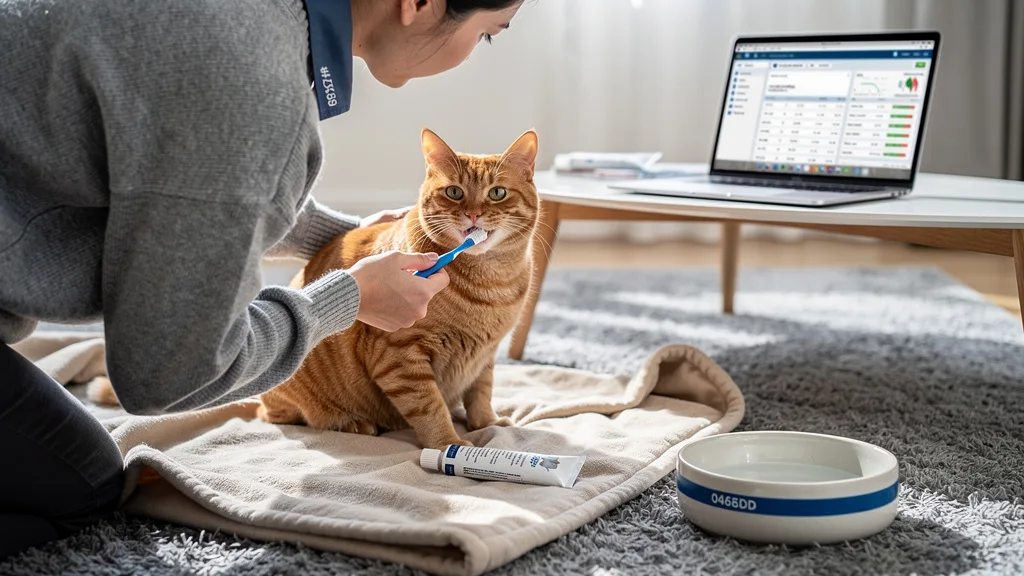
When it comes to preventing plaque and tartar, nothing is more effective than daily tooth brushing. This method physically removes food particles and bacterial film before they can harden into tartar, which is the primary cause of gum disease. While it may sound daunting, many cats can learn to accept, and even enjoy, having their teeth brushed with patience and positive reinforcement.
To get started, you will need a toothpaste formulated specifically for cats and a soft-bristled brush, like a finger brush or a small, angled pet toothbrush. Never use human toothpaste, as it contains ingredients like fluoride and xylitol that are toxic to cats. The key is to introduce the process slowly. Start by letting your cat lick the toothpaste off your finger, then gradually progress to touching their gums, and finally, gently brushing a few teeth at a time.
The goal is to make it a positive, low-stress daily habit. Even a quick 30-second brushing session each day is far more beneficial than a longer, more stressful session once a week. Consistency is more important than perfection, especially when you are first starting out.
Effective Brushing Alternatives for Cat Dental Care in 2026
We understand that brushing isn’t feasible for every cat or every owner. Fortunately, the market for 2026 offers several effective alternatives that can significantly improve your cat’s dental health. While none of these products can fully replace the mechanical action of brushing, they are excellent tools to use as part of a comprehensive dental care plan, especially for felines that will not tolerate a toothbrush.
When choosing an alternative, the most important factor to look for is scientific proof of efficacy. The best brushing options carry clinical backing, often indicated by the VOHC seal. These products have undergone rigorous testing to prove they can reduce plaque or tartar. Combining one or more of these methods can help you maintain your cat’s long-term oral health.
Clinically Backed Dental Treats and Chews
Dental treats are one of the most popular alternatives to brushing, and for good reason. The best ones are designed with a porous, crunchy texture that scrapes against the tooth surface as the cat chews, helping to scrub away plaque. This abrasive action mimics some of the benefits of brushing, making them a helpful addition to your cat’s daily routine. Why Is My Cat Sneezing.
However, not all dental treats are created equal. Many products on the market are simply regular treats marketed as ‘dental’ without any proven benefit. To ensure you’re getting a product that works, look for treats that have earned the VOHC Seal of Acceptance. These treats have been clinically proven to reduce plaque or tartar accumulation. Remember to account for the calories in these treats as part of your cat’s overall diet to prevent weight gain.
Water Additives and Food Topper Powders
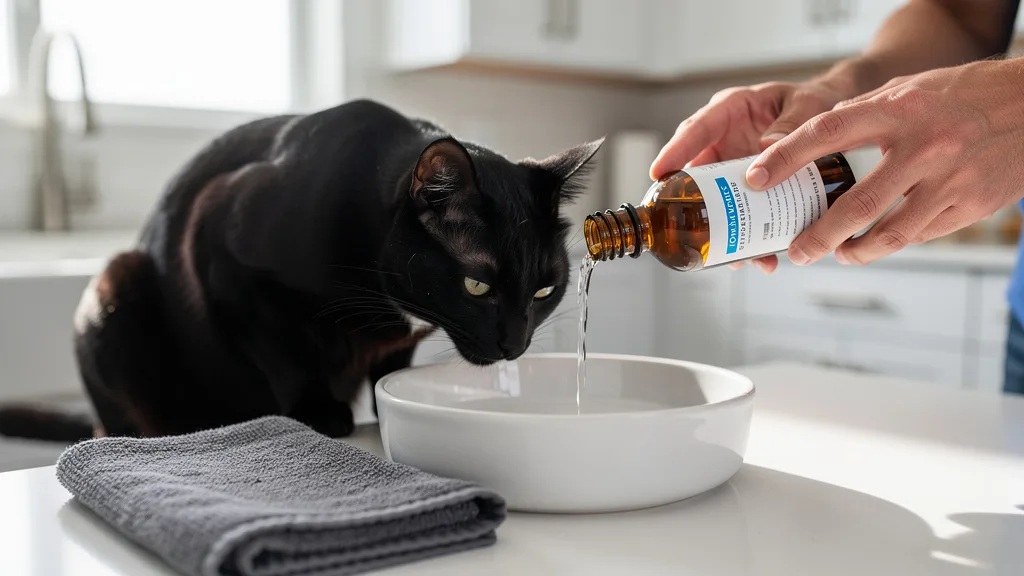
For a completely hands-off approach, water additives and dental powders can be an excellent choice. These products are simply added to your cat’s daily water bowl or sprinkled over their food. Most work by using enzymes or other active ingredients to kill harmful bacteria in the mouth, alter the chemistry of your cat’s saliva to make it less hospitable to plaque formation, and freshen their breath.
This method is incredibly easy to incorporate into your daily routine, as it requires no direct handling of your cat’s mouth. While they can be very effective, especially for cats who resist all other forms of dental care, their efficacy can vary. As with other products, choosing a water additive or powder with the VOHC seal ensures you’re using one with proven benefits.
Dental Gels and Oral Sprays
Dental gels and oral sprays are another effective tool for pet owners. These products are applied directly to the cat’s teeth and gumline. They typically contain antiseptic ingredients, like chlorhexidine, which work to kill plaque-causing bacteria and reduce inflammation in the gums. Some gels are formulated to be ‘no-brush,’ meaning you simply apply them and let the cat’s tongue and saliva distribute the product.
Application can be a challenge for some cats, as it requires you to lift their lip to apply the gel or spray. However, it’s often quicker and less invasive than a full tooth-brushing session. For cats that will tolerate it, this direct application can be a very effective way to target problem areas and maintain gum health between professional cleanings.
Veterinary and Prescription Dental Diets
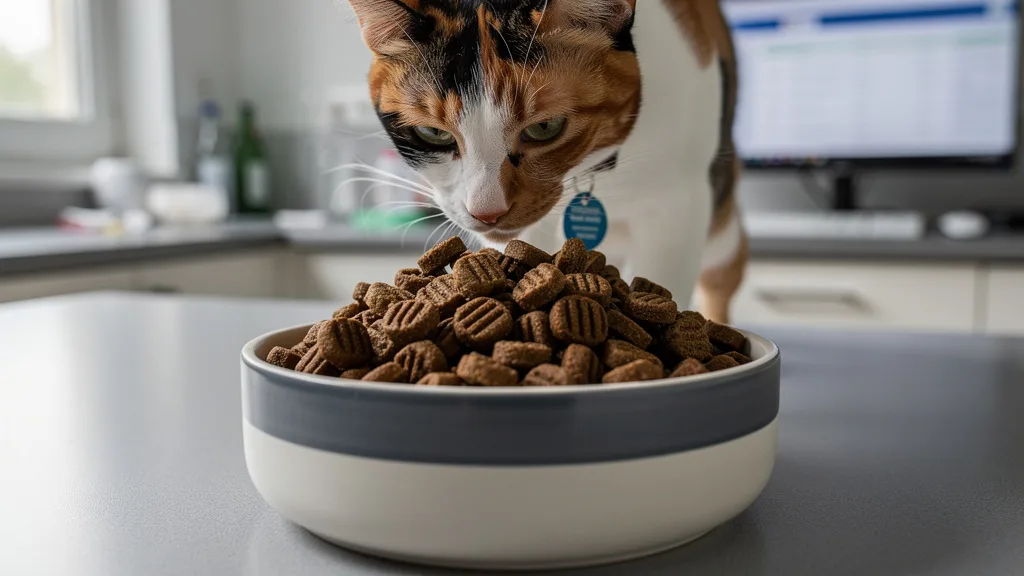
One of the most powerful and clinically proven alternatives to brushing is a prescription dental diet. These are not your average kibble. The kibble pieces are specifically designed to be larger and have a unique fibrous texture that doesn’t shatter on impact. Instead, the tooth sinks into the kibble, allowing the fibers to scrub the tooth surface from the gumline to the tip.
These diets are essentially a way for your cat to ‘brush’ their own teeth with every meal. They are often the top recommendation for cats who absolutely will not tolerate any other form of at-home care. Because they work with your cat’s natural eating behavior, they provide consistent, daily cleaning action. While these foods are a key part of a complete cat nutrition guide for oral health, you must purchase them through your veterinarian.
How to Choose Products: Understanding the VOHC Seal
With a dizzying array of products all claiming to clean your cat’s teeth, it can be difficult to separate marketing hype from scientific fact. This is where the Veterinary Oral Health Council (VOHC) becomes your most trusted ally. The VOHC is an independent organization that evaluates pet products to see if they live up to their claims of reducing plaque and tartar.
When a product earns the VOHC Seal of Acceptance, it means it has successfully passed a strict review of scientific trial data proving its effectiveness. The seal is awarded for either plaque control or tartar control, and some products are effective against both. Looking for this seal is the single easiest way for a consumer to identify cat dental care what actually works and make an informed purchase. It takes the guesswork out of choosing treats, food, and other additives.
“Think of the VOHC seal as a third-party certification for your cat’s dental health. It’s our best tool as owners to know a product isn’t just a treat, but an effective part of a preventative care routine.”
| Feature | VOHC-Accepted Products | Products Without VOHC Seal |
|---|---|---|
| Scientific Backing | Proven effective in clinical trials | Claims may be unverified |
| Claim Reliability | Reduces plaque or tartar by a set minimum | Effectiveness is unknown or unproven |
| Veterinarian Trust | Widely recommended by vets | Recommended with caution or not at all |
| Value | Higher confidence in results for the cost | Risk of spending money on an ineffective product |
Recognizing the Signs of Feline Dental Disease
Because cats are so good at hiding pain, it’s up to us as owners to be vigilant and look for the subtle signs of dental problems. Performing a regular, quick check of your cat’s mouth at home can help you spot issues early. An early diagnosis can prevent pain and more complex, expensive treatments down the road. If you are unsure what to look for, many owners ask about Dental care? online, but a vet check is always best.
Catching problems before they become severe is key. Be on the lookout for any changes in your cat’s mouth or behavior. Some of the most common feline dental conditions require a professional eye, but you can be the first line of defense. Here are some key signs that your cat needs a dental check-up with their veterinarian:
- Bad Breath (Halitosis): While cat breath is never minty fresh, a persistent, foul odor is abnormal and often the first sign of a problem.
- Red or Swollen Gums: Healthy gums are a pale pink. Redness, puffiness, or bleeding along the gumline indicates inflammation (gingivitis).
- Visible Tartar: Look for a yellow or brown, hard substance on the teeth, especially the back molars.
- Drooling or Pawing at the Mouth: These can be signs of oral pain.
- Difficulty Eating: Your cat might chew on one side of their mouth, drop food, or shy away from their food bowl.
- Changes in Behavior: Irritability or reclusiveness can sometimes be linked to chronic pain.
Building a Dental Care Routine Your Cat Will Accept
The key to a successful at-home dental care routine is to make it a positive and predictable experience for your cat. Sudden changes or forceful attempts will only create fear and resistance. The goal is to build trust and associate the routine with pleasant outcomes, like praise or a favorite treat. This process requires patience and consistency, but the long-term benefits are well worth the effort.
Start slowly by simply getting your cat used to you handling their mouth. For a few days, just gently lift their lip for a second and then reward them. Once they are comfortable with that, introduce the taste of the feline toothpaste on your finger as a treat. The next step is to introduce the brush, letting them lick the paste off it. Only after they have accepted these steps should you attempt to brush a single, easy-to-reach tooth. If your cat tends to get defensive, understanding why your cat might bite can help you approach them more effectively.
Keep initial sessions extremely short, just 15-30 seconds, and always end on a positive note. Gradually increase the duration and the number of teeth you brush over several weeks. By making it a low-stress, rewarding daily ritual, you can build a routine that your cat will tolerate and that will protect their health for years to come.
The Role of Annual Professional Veterinary Cleanings
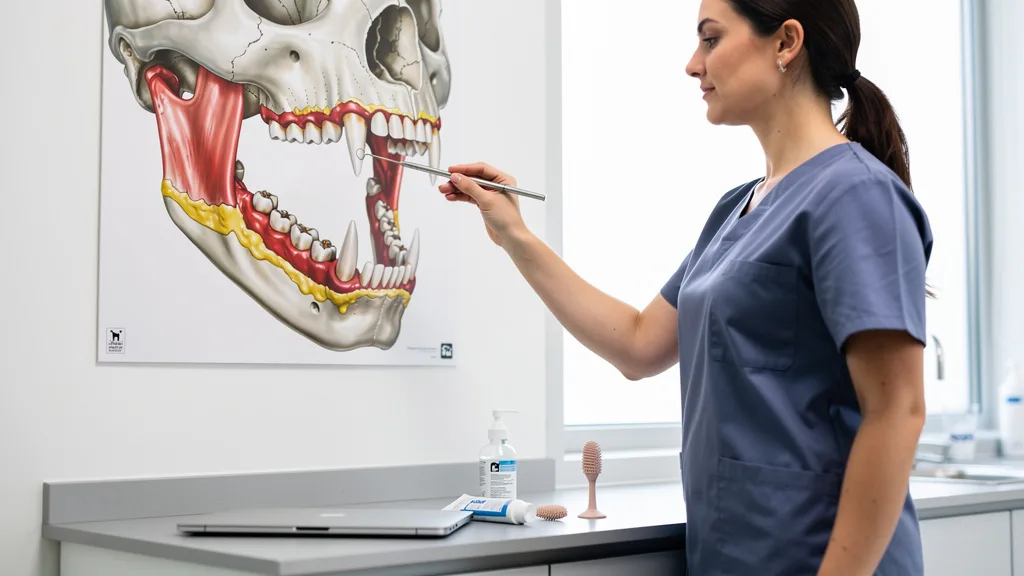
At-home care is essential for daily maintenance, but it cannot replace the need for annual professional dental cleanings performed by a veterinarian. This is the only way to remove hardened tartar (calculus) that has already formed, especially below the gumline where brushing and chews can’t reach. A professional cleaning is a comprehensive procedure designed to treat existing disease and prevent future problems.
During a professional cleaning, your cat is placed under general anesthesia. This is necessary for their safety and comfort, and it allows the veterinary team to perform a thorough examination. The procedure includes taking full-mouth dental X-rays to see the health of the tooth roots and jawbone, which is impossible to assess in an awake patient. The veterinarian will then scale and polish the teeth, removing all traces of plaque and tartar, creating a smooth surface that is more resistant to future buildup. This is often done as part of your cat’s annual wellness visit, along with services like updating their indoor cat vaccinations.
These annual cleanings are the cornerstone of good dental health. They allow your vet to identify and address painful issues like broken teeth or resorptive lesions that would otherwise go unnoticed. Combining daily at-home care with these yearly professional cleanings is the most effective way to ensure your cat enjoys a healthy, pain-free mouth throughout its life.
Key Takeaways
Navigating the world of cat dental care can be simple when you focus on what truly works. Protecting your cat’s teeth is a critical part of their overall healthcare. Here are the most important takeaways to remember:
- Brushing is Best: Daily tooth brushing with a feline-specific toothpaste is the gold standard and the most effective way to prevent plaque buildup.
- Look for the VOHC Seal: When choosing dental treats, diets, or water additives, the Veterinary Oral Health Council (VOHC) Seal of Acceptance is your guarantee that a product is scientifically proven to work.
- Alternatives are Valuable Supplements: If brushing isn’t possible, VOHC-accepted dental diets, treats, and water additives are excellent alternatives that significantly contribute to oral health.
- Annual Vet Cleanings are Non-Negotiable: At-home care cannot remove existing tartar. Professional cleanings under anesthesia are essential for deep cleaning and diagnosing problems below the gumline.
- Early Detection is Key: Regularly check your cat’s mouth for signs of trouble like bad breath, red gums, or visible tartar, and consult your vet if you notice any changes.
Frequently Asked Questions
What is the best overall product for cleaning a cat’s teeth?
The single best method for cleaning a cat’s teeth is daily brushing with a toothpaste specifically formulated for felines. This manual action is unparalleled in its ability to remove daily plaque buildup before it can harden into tartar. It directly addresses the cause of most dental issues at the source.
If brushing is not an option, the next best products are veterinary dental diets that have earned the VOHC seal. These foods are scientifically designed to scrub the teeth as the cat eats, providing a consistent and effective cleaning action with every meal. Combining these diets with other VOHC-approved products like water additives or treats can create a powerful, multi-pronged defense against dental disease.
Do dental treats for cats actually work?
Yes, but only specific ones. Dental treats that have earned the VOHC Seal of Acceptance have been scientifically proven to reduce plaque or tartar. They work through mechanical abrasion; their unique size and texture help scrape the tooth surface as the cat chews. This makes them a valuable tool in a daily dental care regimen.
However, it is crucial to understand that they are a supplement, not a replacement for comprehensive dental care like brushing or professional cleanings. Treats without the VOHC seal may offer no dental benefit at all. Always choose proven products and factor their calories into your cat’s daily food intake to prevent unhealthy weight gain.
What do vets generally recommend for at-home cat teeth cleaning?
Veterinarians overwhelmingly recommend daily tooth brushing as the most effective form of at-home cat dental care. This is because the mechanical action of the brush is the best way to remove the soft plaque that forms on teeth each day. They stress the importance of using a soft brush and a toothpaste made for cats.
Vets also recognize that brushing is not always possible for every pet. In these cases, they strongly support a plan that combines multiple VOHC-accepted products. A common recommendation would be to feed a primary diet of a VOHC-approved dental food, supplemented with daily dental treats or a water additive to create a comprehensive, passive cleaning routine.
How much does a professional cat dental cleaning cost in 2026?
The cost of a professional cat dental cleaning can vary significantly based on your geographic location, the specific veterinary clinic, and your cat’s overall health. In 2026, you can expect the cost for a routine, non-complicated cleaning to range from approximately $500 to $1,200.
This price typically includes pre-anesthetic bloodwork, general anesthesia, IV fluids, comprehensive monitoring, full-mouth dental X-rays, scaling, and polishing. If the X-rays reveal diseased teeth that require extraction, the cost can increase substantially, often by several hundred dollars per tooth. It’s always best to get a detailed estimate from your veterinarian beforehand.
Is it safe to use human toothpaste for my cat?
No, it is never safe to use human toothpaste for your cat. Human toothpastes contain ingredients that are toxic to felines, most notably fluoride and xylitol. Fluoride can cause severe stomach upset and is toxic in larger quantities, while xylitol, an artificial sweetener, is extremely poisonous to cats and can cause a rapid drop in blood sugar and liver failure.
Always use a toothpaste that is specifically formulated and labeled as safe for cats. These products are designed to be swallowed and often come in flavors that cats find appealing, such as poultry or malt, which can make the process of brushing much easier and safer for your pet.
Conclusion
Ultimately, a proactive approach to your cat’s oral hygiene is one of the most significant contributions you can make to their long-term health and comfort. Finding the right cat dental care products that work for you and your pet is about creating a consistent, daily routine. Whether you commit to the gold standard of brushing or build a multi-layered defense with VOHC-approved diets, treats, and additives, the key is to take action every day.
The most important lessons are to choose products with proven effectiveness, guided by the VOHC seal, and to recognize that at-home care and professional veterinary cleanings work together. At-home methods manage daily plaque, while annual cleanings address the tartar buildup and hidden issues below the gumline. This two-part strategy is the definitive answer to what actually works for clean teeth.
By investing a few minutes each day, you can prevent painful dental disease, protect your cat’s overall health, and save on costly veterinary procedures in the future. A healthy mouth leads to a happier, healthier cat, and that is a reward every owner can appreciate.
Navigating your cat’s health can feel complex, but you don’t have to do it alone. Our guides are here to provide clear, simple advice for every stage of your cat’s life. If you have questions or want to connect with our community of cat lovers, we’d love to hear from you. Get started and reach out to us today.