Have you ever tossed your cat’s fuzzy mouse to your dog, or watched your cat bat at the dog’s heavy-duty chew toy, and wondered if it’s really a big deal? As a pet owner, you want to provide the best enrichment for your companions, but the toy aisle can be surprisingly divided. Understanding the fundamental distinctions is crucial for your pets’ safety and happiness.
The real difference between cat and dog toys lies in their design, materials, and purpose, which are tailored to the distinct instincts of each animal. Cat toys are typically lightweight and designed to mimic prey for stalking and pouncing. Dog toys are built for durability to withstand chewing, fetching, and tugging. Using the wrong toy can pose significant safety risks, making the topic of Cat Toys vs Dog: What’s the Real Difference? an essential one for any pet parent.
Core Differences in Toy Design and Purpose
At first glance, a toy is just a toy. However, manufacturers invest significant research into developing products that align with the evolutionary drives of cats and dogs. This results in two very different approaches to design, where one prioritizes the thrill of the hunt and the other celebrates durability and interaction.
Cat Toys: Engineered for Stalking and Pouncing
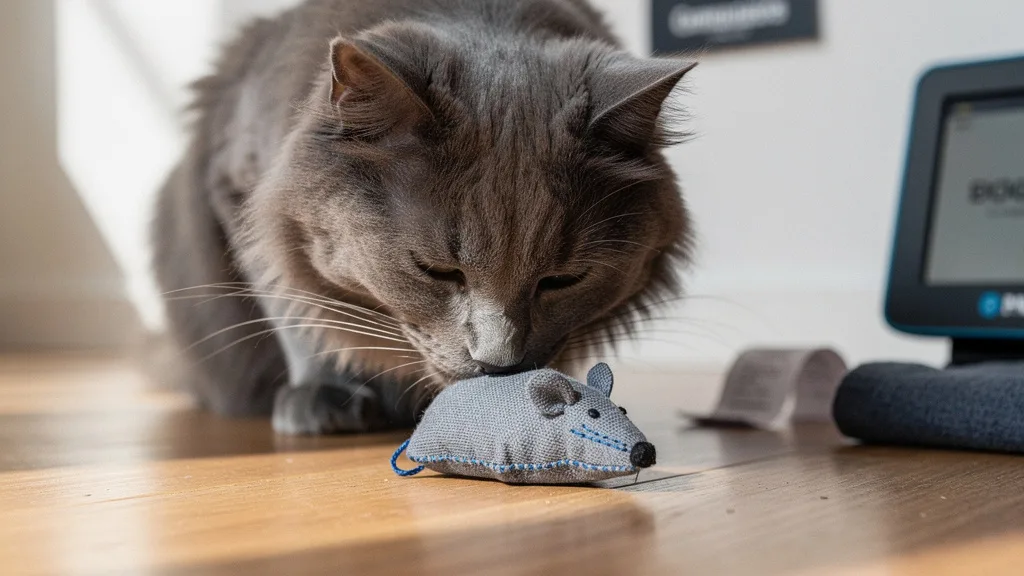
Cat toys are masterfully crafted to appeal to a feline’s innate predatory instincts. They are almost always small and lightweight, allowing your cat to bat, chase, carry, and pounce on them as if they were real prey like mice or birds. Features like feathers, crinkle sounds, and erratic movements are added to trigger this deeply ingrained behavior. A cat’s play is often a solitary reenactment of the hunt, catch, and kill sequence.
Lightweight materials and catnip are key features that make cat toys irresistible to felines.
Wand toys with feathers, small fuzzy mice, and crinkly balls are perfect examples of this design philosophy. They encourage agile movements, stalking, and the final pounce, providing essential mental and physical stimulation for your cat. The goal isn’t to withstand destruction but to simulate a successful hunt, keeping your cat engaged and satisfied. This type of play is crucial for a healthy indoor cat’s lifestyle.
Dog Toys: Built for Chewing, Fetching, and Tug-of-War
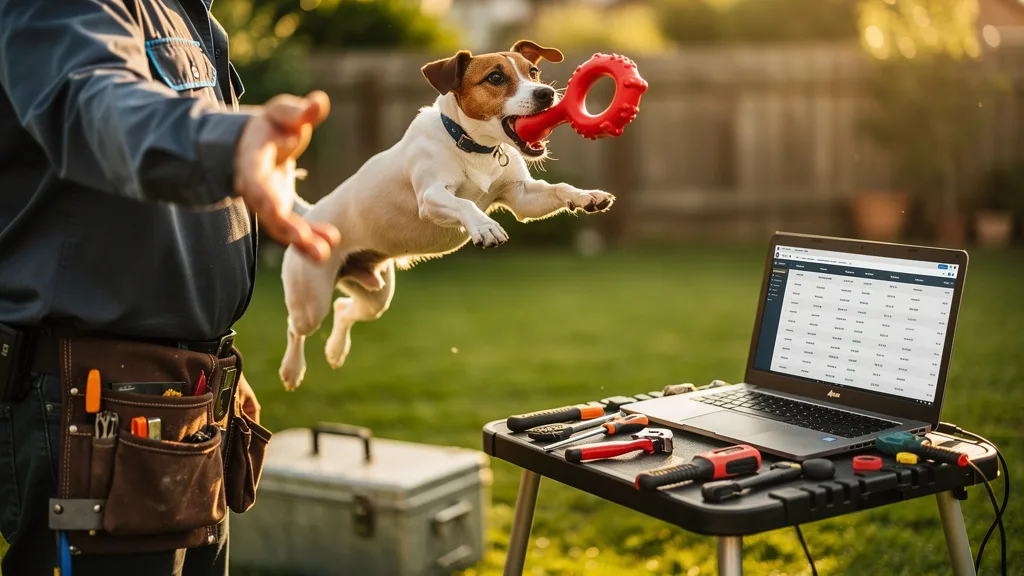
Dog toys, on the other hand, are constructed with a completely different set of behaviors in mind. Dogs are often pack animals with instincts to chew, retrieve, and engage in cooperative play like tug-of-war. Consequently, their toys are built for durability and interaction. Materials like thick rubber, reinforced nylon, and dense rope are common, designed to withstand the powerful jaws of a determined chewer.
The variety of dog toys reflects these instincts. Balls are perfect for a game of fetch that satisfies a dog’s retrieving drive. Puzzle toys provide mental work, challenging a dog to solve a problem to get a treat. Rope toys are ideal for tugging, which can be a healthy way to play and bond with your dog. The emphasis is on robust construction that can endure repeated, forceful use.
Cat vs. Dog Toy Comparison
Feature
Cat Toys
Dog Toys
Primary Purpose
Simulating prey, encouraging stalking and pouncing
Chewing, fetching, tugging, mental puzzles
Common Materials
Feathers, felt, plastic, catnip, crinkle paper
Hard rubber, nylon, thick rope, durable fabric
Size & Weight
Small and lightweight for batting and carrying
Varies by dog size, generally heavier and larger
Durability
Low to moderate; not designed for heavy chewing
High; built to withstand strong jaws
Safety Focus
Non-toxic materials, avoiding small, swallowable parts
Preventing breakage, choking, and ingestion of large pieces
Material and Construction: A Tale of Two Philosophies
The materials used in pet toys are not chosen at random. They are a direct reflection of the intended play style and the safety considerations for each species. Comparing and exploring the construction of these items reveals why it’s so important to treat our dogs and cats differently when it comes to playtime.
The Role of Lightweight Materials and Catnip in Cat Toys
Cat toys often feature materials that are exciting to a cat’s senses. Felt, faux fur, and feathers mimic the texture of prey, while crinkly materials inside the toy simulate the sounds of a small creature moving. These materials are intentionally lightweight, making it easy for a cat to fling a toy into the air and pounce on it. This fragility is a feature, not a bug, as it makes the play experience more realistic for your feline friend.
Durable chew toys help satisfy a dog’s natural instinct to work their jaws and engage in physical play.
Furthermore, many cat toys incorporate catnip, an herb from the mint family that contains a chemical called nepetalactone. For about 70-80% of cats, catnip acts as a harmless stimulant that induces a short-lived euphoric state, making playtime even more enticing. Silver vine is another popular alternative that can attract cats who are not affected by catnip, ensuring most felines have an herbal option to enhance their fun.
Durability and Safety Ratings in Dog Toy Materials
When it comes to dog toys, durability is the name of the game. Manufacturers use materials like solid, natural rubber and tough synthetic polymers like nylon that can stand up to hours of vigorous chewing. This isn’t just to make the toy last longer, it’s a critical safety feature. A toy that shatters or breaks into small pieces can lead to choking or a dangerous intestinal blockage.
Many dog toy brands provide durability ratings to help owners choose the right product for their pet’s chew style, from gentle nibblers to “power chewers.” This focus on resilience is a core part of the design. While a dog might enjoy the squeaker inside a plush toy, the toy itself must be strong enough to prevent the dog from immediately tearing it apart and swallowing the contents.
How Natural Instincts Shape Toy Preferences
Understanding why your pets prefer certain toys comes down to their natural instincts. A cat’s play is a reflection of a solitary hunter, while a dog’s activities often stem from its history as a cooperative pack animal bred for specific jobs. Providing toys that cater to these instincts is the key to a happy and well-adjusted pet.
Tapping into a Cat’s Natural Prey Drive
A cat’s interest in a toy is almost entirely driven by its ability to mimic prey. This is why toys that move erratically, such as a feather wand you control or a battery-operated mouse, are so captivating. This fulfills their natural “hunt, catch, kill, eat” behavioral sequence. After a good play session, a cat will often groom and then rest, just as it would after catching a meal in the wild. For a full understanding of your cat’s behavior, it’s helpful to learn about their communication, including why a cat might bite during play.
Dogs can quickly destroy cat toys, creating serious choking and ingestion hazards.
To make playtime most effective, engage your cat with interactive toys that you control. This allows you to simulate the unpredictable movements of prey, making the game more challenging and rewarding. Letting your cat “catch” the toy at the end of the session provides a sense of accomplishment and closure, satisfying their innate drive. It’s an odd reason, but this psychological satisfaction is crucial.
Satisfying a Dog’s Instinct to Work and Chew
Many dog breeds were developed to perform specific jobs, like retrieving game or herding livestock, and these instincts remain strong. A game of fetch with a durable ball taps into that retrieving drive, providing both physical exercise and mental fulfillment. Similarly, puzzle toys that require a dog to figure out how to get a treat provide a “job” that satisfies their need for mental work. You can explore a variety_of what type of toys do pets love to find more ideas.
Chewing is another fundamental canine behavior. It helps keep their jaws strong, cleans their teeth, and can be a self-soothing activity that relieves anxiety or boredom. Providing safe, appropriate chew toys directs this behavior away from your furniture and shoes. The satisfaction a dog gets from a good chew session is a vital part of its daily routine and overall well-being.
Safety Showdown: Is It Okay for Pets to Share Toys?
In a multi-pet household, it can be tempting to let your animals share their playthings. However, the significant differences in toy design and durability mean that sharing is often a dangerous idea. What is safe and fun for one species can be a serious hazard for the other. This is a key part of the cat toys vs dog toys debate.
“A cat toy in a dog’s mouth is a choking hazard waiting to happen. The reverse is also true: a heavy dog toy can cause dental fractures in a cat. It’s simply not worth the risk to their health and safety.”
Creating separate play zones helps keep toys organized and prevents unsafe sharing between pets.
The Choking and Ingestion Risks of Dogs Playing with Cat Toys
The most immediate danger of a dog playing with cat toys is the risk of choking or ingestion. Cat toys are small by design, and a medium or large-sized dog can easily swallow one whole. This can lead to a life-threatening intestinal blockage that requires emergency surgery. Even if the toy isn’t swallowed whole, a dog can quickly chew it into small, hazardous pieces.
Many cat toys also have attached parts like plastic eyes, bells, feathers, or strings. A dog’s powerful jaws can break these components off in seconds. These small, hard pieces can be choking hazards or cause internal damage if ingested. The lightweight materials are no match for a dog’s chewing power, making them unsafe for even a few moments of unsupervised play.
Why Most Dog Toys Are Uninteresting or Unsafe for Cats
While a dog toy might seem less dangerous for a cat, it still presents risks and is generally unsuitable. Most dog toys are too large and heavy for a cat to play with effectively. A cat can’t bat, carry, or pounce on a heavy rubber chew toy, so it fails to provide the kind of enrichment a cat needs. This lack of engagement means your cat will likely ignore it.
More importantly, some dog toys can be unsafe for cats. Hard nylon or rubber toys designed for powerful chewers can be too hard for a cat’s delicate teeth and jaw, potentially leading to painful dental fractures. A cat’s play style involves biting, but not the sustained, powerful chewing that dogs engage in. Providing species-appropriate toys is the only way to ensure both safety and fun.
Choosing the Right Toys for a Multi-Pet Household in 2026
Managing a home with both dogs and cats requires a thoughtful approach to playtime. With the right strategies, you can provide a safe and enriching environment where both of your pets can thrive. As of 2026, the best practice remains clear: separation and supervision are your most important tools.
Establishing Separate and Safe Play Zones
The most effective way to prevent dangerous toy-swapping is to create distinct play areas for each pet. Use vertical space for your cat. Cat trees, shelves, and window perches can serve as a cat-only zone where their toys can be kept safely out of the dog’s reach. This also gives your cat a secure place to retreat and play without being bothered.
For your dog, establish a designated toy box or basket in their primary resting area. Train your dog to understand that those are their toys, and redirect them if you see them heading for the cat’s things. Consistency is key to helping your pets understand the boundaries and ensuring that playtime remains safe for everyone involved.
Identifying Toys That Are Potentially Safe for Supervised Sharing
While the safest rule is no sharing at all, some owners wonder if any overlap is possible. There is a perspective that some owners Why I Buy Dog Toys for their cats, but this requires extreme caution. A very small, durable puppy toy made of soft rubber might be acceptable for a cat who is a particularly aggressive chewer, but only under 100% direct supervision. Likewise, a simple, large, indestructible ball with no small parts might be okay for a cat to bat around while the dog is not present.
However, these exceptions are rare and risky. The fundamental differences in jaw strength and play style mean that a toy designed for one is almost never truly safe for the other. The best and most responsible approach is to always provide separate, species-appropriate toys and to supervise all playtime.
The Importance of Regular Toy Inspection and Rotation
Whether you have one pet or many, regular toy maintenance is a critical part of pet safety. At least once a week, inspect every toy for signs of damage. Look for cracks, frayed seams, loose parts, or pieces that have been chewed off. Any toy that is starting to break down should be discarded immediately to prevent a choking or ingestion accident. For a deeper dive into your pet’s well-being, consider reading our complete cat nutrition guide for beginners.
In addition to safety checks, rotating your pet’s toys every week or two can help keep them engaged. A toy that has been put away for a while can feel new and exciting when it reappears. This prevents boredom and encourages continued play, which is essential for your pet’s mental and physical health. This simple habit is a cornerstone of responsible pet care.
Key Takeaways
Navigating the world of pet toys is simpler when you understand the core principles behind their design. Keeping your cats and dogs safe and happy is the ultimate goal. Here are the main points to remember:
Design Follows Instinct: Cat toys are designed to simulate prey for hunting play, while dog toys are built to withstand chewing, fetching, and tugging.
Materials Matter: Cat toys use lightweight materials and attractants like catnip. Dog toys use highly durable rubber and nylon for safety and longevity.
Safety is Not Universal: Toys are not one-size-fits-all. A cat toy is a choking hazard for a dog, and a dog toy can be uninteresting or even harmful to a cat.
Supervision is Key: In a multi-pet home, the safest policy is to provide separate toys and supervise all play to prevent accidental sharing.
Inspect and Rotate: Regularly check all toys for damage and throw away any that are broken. Rotating toys keeps your pets mentally stimulated and engaged.
Frequently Asked Questions
Here are answers to some common questions pet owners have about the differences between cat and dog toys.
Do cats know that their toys are not real prey?
Most evidence suggests that cats are aware they are playing. While their actions, like pouncing and biting, mimic hunting, they often exhibit play-specific behaviors that differ from a real hunt. For example, they may use softer bites and will often engage their human owner in the game, indicating they understand the context.
The play session itself is the reward, not the “kill.” It allows them to exercise their natural instincts in a safe and low-stakes environment. So, while the toy represents prey, your cat likely knows it’s all a fun game.
Why does my dog seem to prefer smaller cat toys?
A dog’s fascination with cat toys can stem from several factors. The novelty of a forbidden object can be highly appealing. The scent of catnip on the toy or simply the scent of the cat itself can also attract a dog’s curiosity. For some dogs, the small size and soft texture are simply more satisfying to carry or chew on.
However, this preference is dangerous. The toy can easily be swallowed, leading to serious health complications. It’s crucial to manage the environment and redirect your dog to its own safe and appropriate toys, no matter how much it covets the cat’s things.
Are there any toys that are universally safe for both cats and dogs?
It is extremely rare to find a toy that is truly safe and engaging for both species. The safety requirements are fundamentally at odds: a toy durable enough for a dog is often too hard and heavy for a cat, while a toy appropriate for a cat is a significant choking hazard for a dog. The risk of injury or ingestion is too high.
For the well-being of your pets, it is always best to stick to species-specific toys. Assume that no toy is universally safe and prioritize providing the right kind of enrichment for each animal individually.
How often should I replace my pet’s toys for safety?
You should replace a toy immediately if you notice any signs of significant wear or damage. This includes cracks, sharp edges, loose threads, or any parts that have been chewed off. For soft toys, if the stuffing is coming out, it’s time to throw it away. There is no set timeline, as it depends entirely on the toy’s quality and your pet’s chew habits.
Even if toys are not damaged, it’s a good practice to replace them every few months to maintain hygiene and novelty. Regularly cleaning hard toys and washing soft ones can also extend their life and keep your pet healthy.
Conclusion
Ultimately, the debate over cat toys vs dog toys is settled by biology. The profound differences in their design, materials, and purpose are a direct response to the distinct evolutionary instincts of felines and canines. Cat toys are built for the solo hunter, prioritizing movement and texture to mimic prey. Dog toys are engineered for the pack-oriented chewer, prioritizing durability and interactive potential.
The most critical takeaway is that safety is not interchangeable. Providing the wrong toy to your pet is not just ineffective, it’s dangerous. For dogs, the risk is choking and intestinal blockage from small, fragile cat toys. For cats, the risk includes dental damage and a lack of interest from toys that are too hard and heavy. Responsible pet ownership in a multi-pet household means embracing these differences.
By establishing separate play zones, inspecting toys regularly, and supervising playtime, you can create a safe, stimulating environment for all your animal companions. Understanding their unique needs is the first step toward helping them live long, happy, and playful lives together. Your diligence ensures that playtime is always a source of joy, not a trip to the emergency vet.
If you have more specific questions about your pet’s health or behavior, or need guidance on choosing the right products, our team is here to help. For reliable advice tailored to your cat’s needs, please feel free to Contact us.