
Are you constantly cleaning up messes outside the litter box, wondering what you’re doing wrong? A happy cat and a clean home often come down to the bathroom situation, and many common practices can inadvertently create a stressful environment for our feline friends.
The most common cat litter box mistakes that cause mess and stress involve incorrect box size, poor placement, infrequent cleaning, and using the wrong type of litter. Cats are sensitive to their environment, and an unappealing litter box can lead to them avoiding it altogether. Addressing these simple but crucial factors is the first step to resolving most litter box problems and restoring harmony in your home.
The Link Between Litter Box Problems and Cat Stress
For a cat, the litter box is not just a toilet; it’s a critical part of their territory and daily routine. When something is wrong with their bathroom setup, it can become a significant source of chronic stress. Cats are creatures of habit and cleanliness. A box that is dirty, difficult to access, or feels unsafe can trigger anxiety, leading them to seek alternative, and often inappropriate, places to relieve themselves.
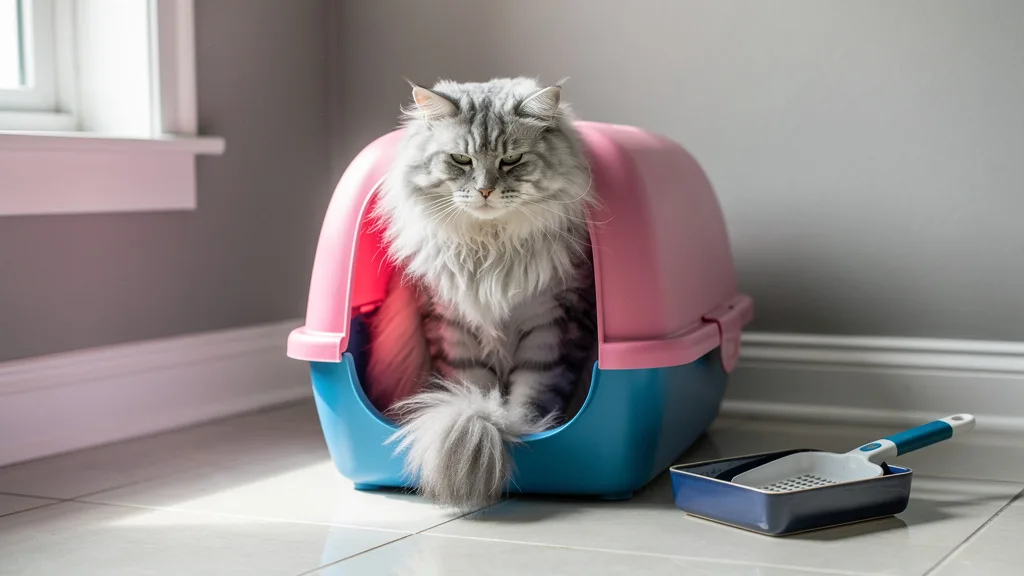
This stress isn’t just about the mess it creates for you. For your cat, this anxiety can manifest in other behavioral issues, such as increased hiding, aggression, or changes in appetite. Understanding that a clean, accessible, and safe litter box is a cornerstone of your cat’s well-being is the first step toward solving many common litter box problems. Ignoring these issues can lead to a cycle of stress for both you and your pet.
“A cat’s refusal to use the litter box is one of their most powerful ways of communicating that something is wrong. It’s rarely an act of spite; it’s a cry for help. The cause is often directly linked to stress from their environment, and the litter box is ground zero.”- Feline Behavior Specialist
Common Mistakes in Box Selection and Placement
Many litter box issues begin with the box itself or where it’s located. It’s easy to choose a box based on human convenience or aesthetics, but these choices often conflict with a cat’s natural instincts. A box that is too small, covered when your cat prefers it open, or placed in a loud, busy area can be a major deterrent. These foundational errors set the stage for avoidance and accidents.
To create an inviting litter box environment, you must think like a cat. They need space, privacy, and a sense of security. The right box in the right place can solve a surprising number of elimination problems before they start. Let’s explore the most frequent mistakes owners make in this area and how to correct them for a happier cat.
Choosing the Wrong Size or Style of Box
One of the most frequent errors is selecting a litter box that is too small. A cat needs enough room to comfortably turn around, dig, and posture without feeling cramped. A good rule of thumb is that the box should be at least 1.5 times the length of your cat, from nose to the base of the tail. For many cats, especially larger breeds like Maine Coons, standard pet store boxes are simply inadequate. A large, shallow storage container can often be a better and more affordable alternative.
Covered or enclosed litter boxes are popular with owners because they can trap odors and hide the mess, but they can be problematic for cats. These boxes can feel confining, trap ammonia smells more intensely, and prevent a cat from seeing potential threats while they are in a vulnerable position. While some cats don’t mind them, if you’re experiencing issues, the first step should be to remove the lid and see if the behavior improves.
Not Providing Enough Litter Boxes for Your Cats
The golden rule for multi-cat households is to have one litter box per cat, plus one extra. This is commonly known as the “n+1” rule. Cats can be territorial about their bathroom spaces, and providing multiple options reduces the likelihood of conflict or one cat blocking another from accessing the box. Even in a single-cat home, having two boxes can be beneficial, especially if you live in a multi-level house.
It’s not just about the number of boxes but also their distribution. Placing all three boxes for your two cats side-by-side in the basement is seen by your cats as one large litter box. To be effective, the boxes must be in different locations throughout the home. This ensures a cat always has easy access to a clean, safe spot, reducing the chance they’ll choose your carpet instead.
Placing the Box in a High-Traffic or Noisy Area
A cat’s instincts tell them to be cautious when eliminating, as it’s a vulnerable moment. Placing a litter box in a busy hallway, next to a loud washing machine, or near their food and water bowls can create significant stress. A cat will not want to use a box if they are constantly startled by foot traffic, sudden noises, or the general chaos of a busy household area.
Instead, choose a location that is quiet, private, and easily accessible to your cat. A corner in a spare room, a quiet bathroom, or a low-traffic den are all excellent choices. The spot should offer an escape route, meaning the cat doesn’t feel cornered when using the box. This sense of security is paramount and can dramatically increase their willingness to use the box consistently.
Litter Type and Cleanliness Errors to Avoid
Once you have the right box in the right place, the next critical element is what’s inside it: the litter. The type of litter and how clean you keep it are just as important as the box itself. Cats have sensitive paws and powerful noses, and a litter that is uncomfortable to stand on or has a strong, artificial scent can be a major turn-off.
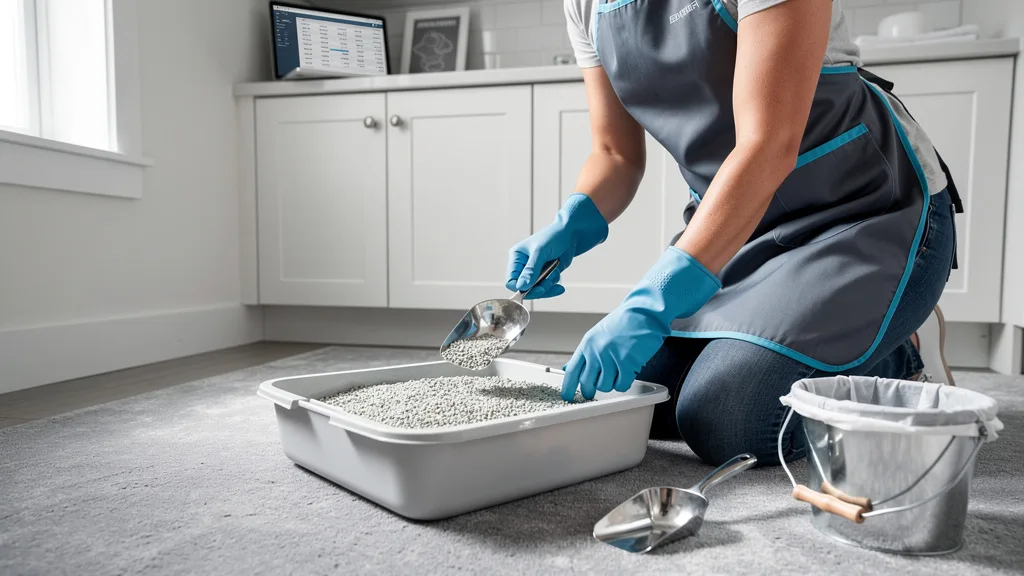
Furthermore, cats are meticulously clean animals. A dirty, smelly litter box is one of the most common reasons for a cat to start eliminating elsewhere. Daily maintenance is not optional; it’s a requirement for a happy, stress-free cat. Let’s delve into the specific litter and cleaning mistakes that can sabotage your efforts.
Using Heavily Scented or Uncomfortable Litter
Litter scented with perfumes or deodorizers is designed to appeal to humans, not cats. A cat’s sense of smell is far more sensitive than ours, and what we perceive as a pleasant floral or fresh scent can be overpowering and offensive to them. This can lead to them avoiding the box entirely. It’s best to stick with unscented litter.
The texture of the litter also matters. Most cats prefer a fine, sand-like clumping clay litter because it feels soft on their paws. Litters made from large pellets, crystals, or certain types of wood or paper can be uncomfortable to stand on, discouraging use. If you notice your cat shaking its paws excessively after leaving the box, the texture might be the problem. There are many 7 Common Cat Litter Box mistakes related to litter choice that can easily be corrected.
Infrequent Scooping and Inadequate Cleaning
This is perhaps the single biggest mistake owners make. A litter box should be scooped at least once a day, or twice if you have multiple cats. Cats do not want to step on old waste to find a clean spot. Imagine having to use a toilet that is never flushed; you’d look for an alternative, and so will your cat. Daily scooping is non-negotiable for preventing box problems.
In addition to daily scooping, the entire box should be emptied, washed with mild soap and water, and refilled with fresh litter at least once a month (or more frequently for non-clumping litter). Avoid using harsh chemicals like bleach or ammonia, as the strong smells can linger and deter your cat. Regular, thorough cleaning removes residual odors that can build up over time, even with daily scooping.
Changing the Litter Type or Brand Abruptly
Cats are creatures of habit. If you find a new litter you want to try, it’s crucial to introduce it gradually. Suddenly swapping out their familiar litter for a new one with a different scent and texture can be confusing and stressful for a cat, leading them to reject the box. This is a common trigger for sudden litter box avoidance.
To make a successful switch, start by mixing a small amount of the new litter (about 25%) with the old litter. Over the course of one to two weeks, gradually increase the proportion of the new litter while decreasing the old, until you have fully transitioned. This slow process allows your cat to acclimate to the new feel and smell without causing undue stress.
Recognizing Behavioral and Medical Triggers
If you’ve optimized the box, placement, and litter situation and problems persist, it’s time to look at other potential causes. Litter box issues can be complex, stemming from either behavioral stress or underlying medical conditions. It’s vital to learn how to differentiate between the two, as the solutions are very different. Punishing a cat for accidents is never the answer and will only worsen the situation.
Observing your cat’s behavior around the litter box can provide valuable clues. Is another pet bullying them? Is there a new source of stress in the home? At the same time, any sudden change in litter habits warrants a trip to the veterinarian to rule out painful health problems that require immediate medical attention.
How to Tell if Your Cat Is Stressed by the Litter Setup
Cats communicate their stress through subtle body language. A cat stressed by its litter box might hesitate before entering, perch on the edge of the box, or bolt out of it as soon as they’re done. You might also notice them digging excessively outside the box or not digging at all. These behaviors indicate they feel unsafe or uncomfortable in that space. There are many LITTER BOX MISTAKES That Stress out a cat, and observing their reaction is key.
Other signs of stress are more general. A cat that is eliminating outside the box might also be exhibiting other signs of anxiety, such as over-grooming, hiding more than usual, or changes in vocalization. Understanding your cat’s normal behavior is crucial for spotting these deviations. For more insights into feline communication, exploring topics like why cats bite can provide a broader understanding of their stress signals.
Ruling Out Underlying Health Issues as a Cause
Before assuming a litter box problem is purely behavioral, it is absolutely essential to consult a veterinarian. Many medical conditions can cause a cat to avoid the litter box, and some can be life-threatening. Urinary tract infections (UTIs), bladder stones, and kidney disease can make urination painful, and the cat may start to associate the litter box with that pain.
Your vet can perform a physical exam and run tests, such as a urinalysis, to check for these issues. Conditions like arthritis can also make it difficult for an older cat to climb into a high-sided box. If a medical cause is identified, treating the underlying condition is the first and most important step. For example, managing conditions like cat kidney disease can resolve the associated litter box avoidance.
Why Punishment Makes Litter Box Problems Worse
It can be frustrating to find a mess, but punishing your cat for eliminating outside the box is counterproductive and cruel. Rubbing your cat’s nose in the mess, yelling, or physically reprimanding them will not teach them to use the box. Instead, it will teach them to fear you and to hide when they need to eliminate, making it even harder for you to find and clean the spots.
Your cat is not acting out of spite; they are trying to communicate a problem. Punishment only adds more stress to an already stressful situation, which can exacerbate the very behavior you’re trying to stop. The correct approach is to identify and resolve the root cause, whether it’s related to the litter box setup, social stress, or a medical issue. Always use positive reinforcement and patience.
| Rule | Best Practice | Why It Matters |
|---|---|---|
| Number of Boxes | One box per cat, plus one extra (N+1 Rule) | Reduces territorial disputes and ensures a box is always available. |
| Box Size | At least 1.5 times the length of your cat | Allows cat to turn around, dig, and posture comfortably. |
| Location | Quiet, low-traffic area away from food/water | Provides security and privacy, making the cat feel safe. |
| Cleaning Frequency | Scoop 1-2 times daily; full wash monthly | Cats are clean animals and will avoid a dirty toilet. |
| Litter Type | Unscented, fine-grain, clumping litter | Appeals to a cat’s natural preference for soft, odorless substrate. |
Key Takeaways
Resolving litter box problems requires understanding and catering to your cat’s natural instincts. By avoiding common mistakes, you can create a stress-free environment that encourages consistent litter box use. Here are the most important points to remember:
- Think Big: Provide a litter box that is at least 1.5 times the length of your cat. When in doubt, go bigger.
- The N+1 Rule: Always have one more litter box than you have cats, and place them in separate locations.
- Location, Location, Location: Choose quiet, low-traffic areas where your cat feels safe and has an escape route.
- Keep it Clean: Scoop the box at least once daily and perform a full cleaning with mild soap and water monthly.
- Go Unscented: Most cats prefer soft, unscented, clumping litter. Avoid strong perfumes that offend their sensitive noses.
- Rule Out Medical Issues: Any sudden change in litter box habits warrants a visit to the veterinarian to check for underlying health problems.
- Never Punish: Punishment increases stress and fear, making the problem worse. Focus on identifying and solving the root cause.
Frequently Asked Questions
What is the best type of litter to use?
The best type of litter is one your cat will consistently use. However, most cats show a strong preference for unscented, clumping clay litter with a fine, sand-like texture. This type is soft on their paws and allows them to easily bury their waste, satisfying their natural instincts.
Avoid heavily perfumed litters, as the strong smells can be overwhelming for a cat’s sensitive nose. If you decide to try a different type of litter, such as one made from crystals, paper, or wood, be sure to transition gradually over one to two weeks to allow your cat to adjust.
How many litter boxes do I need for two cats?
For two cats, you should have a minimum of three litter boxes. The general rule of thumb is to have one litter box for each cat, plus one extra. This is often called the “n+1” rule, where ‘n’ is the number of cats in your household.
It is also crucial to place these boxes in different locations throughout your home. Putting three boxes side-by-side in one room is not effective, as cats will view this as a single litter area. Spreading them out prevents one cat from guarding the boxes and ensures every cat has easy access to a clean, safe place to go.
Why is my cat suddenly peeing outside the litter box?
A sudden change in litter box habits is a major red flag that requires immediate attention. The first step should always be a visit to the veterinarian to rule out a medical issue. Urinary tract infections, bladder stones, kidney disease, or even arthritis can make using the box painful, causing the cat to avoid it.
If medical causes are ruled out, consider environmental stressors. Has there been a change in the home, such as a new pet, a new baby, or construction noise? Did you recently change the litter type or the box’s location? A sudden change almost always points to either a medical problem or a recent environmental shift.
How do I get my cat to use a new litter box?
To encourage your cat to use a new litter box, make the transition as smooth as possible. Place the new box right next to the old one. For the first few days, let your cat investigate it without pressure. You can make it more appealing by adding a small amount of used litter from the old box to the new one; this transfers their scent and signals that it’s an appropriate place to eliminate.
Once your cat starts using the new box, you can stop cleaning the old one. A cat’s preference for cleanliness will naturally draw them to the cleaner, new box. After they have used the new box exclusively for several days, you can confidently remove the old one.
When should I see a vet for litter box issues?
You should schedule a vet visit any time your cat has a sudden and unexplained change in their litter box habits. This is especially urgent if you notice other symptoms like straining to urinate, crying out in the box, frequent trips to the box with little output, or blood in the urine. These can be signs of a urinary blockage, which is a life-threatening emergency, particularly in male cats.
Even without other obvious symptoms, a new habit of peeing or pooping outside the box warrants a check-up. It’s always best to rule out painful medical conditions before you start investigating behavioral or environmental causes. Your vet is your most important partner in solving complex litter box issues.
Conclusion
Understanding and preventing the common cat litter box mistakes that cause mess and stress is fundamental to providing good care and maintaining a harmonious home. By focusing on your cat’s perspective, you can transform the litter box from a source of anxiety into a place of security. This means providing a large, clean, and accessible box in a quiet location, filled with a litter that feels and smells right to your cat.
The most actionable takeaways are to follow the “n+1” rule for the number of boxes, scoop daily without fail, and always consult a veterinarian to rule out medical issues when problems arise suddenly. Remember that a cat’s behavior is a form of communication. An accident outside the box is not an act of rebellion but a sign that something in their world is not right.
By implementing these strategies, you can resolve most litter box problems and strengthen the bond with your feline companion. Patience and a willingness to see the world through their eyes are your greatest tools. Addressing these issues proactively ensures your cat remains healthy, happy, and comfortable in their home.
Ready to dive deeper into your cat’s unique behaviors and needs? Our resources are designed to help dedicated cat owners like you provide the best possible care. For more simple, practical tips and guides, explore our articles on cat care. Get started on creating an even better life for your feline friend today.