
Have you ever wondered if you can use your dog’s brush on your cat? While it might seem convenient, the grooming needs of cats and dogs are worlds apart, and getting it wrong can affect their health, comfort, and the bond you share. Understanding these differences is crucial for any pet owner who wants to provide the best care.
The key differences between cat and dog grooming stem from their distinct skin, coat types, and temperaments. Cats have thinner, more sensitive skin and are natural self-groomers, requiring less frequent bathing but specific tools for fine hair. Dogs often have thicker skin and double coats, needing more regular baths and robust deshedding tools. Their cooperative nature also contrasts with a cat’s independent behavior during grooming.
Why Grooming Matters for the Health of Your Pet
Grooming is much more than just keeping your pet looking good; it is a fundamental aspect of their overall health and wellness. Regular grooming sessions help prevent painful mats in the fur, which can pull on the skin and lead to irritation or infection. It also allows you to check for lumps, bumps, parasites like fleas and ticks, and any signs of skin issues that might otherwise go unnoticed. For cats, it helps reduce the frequency of hairballs.
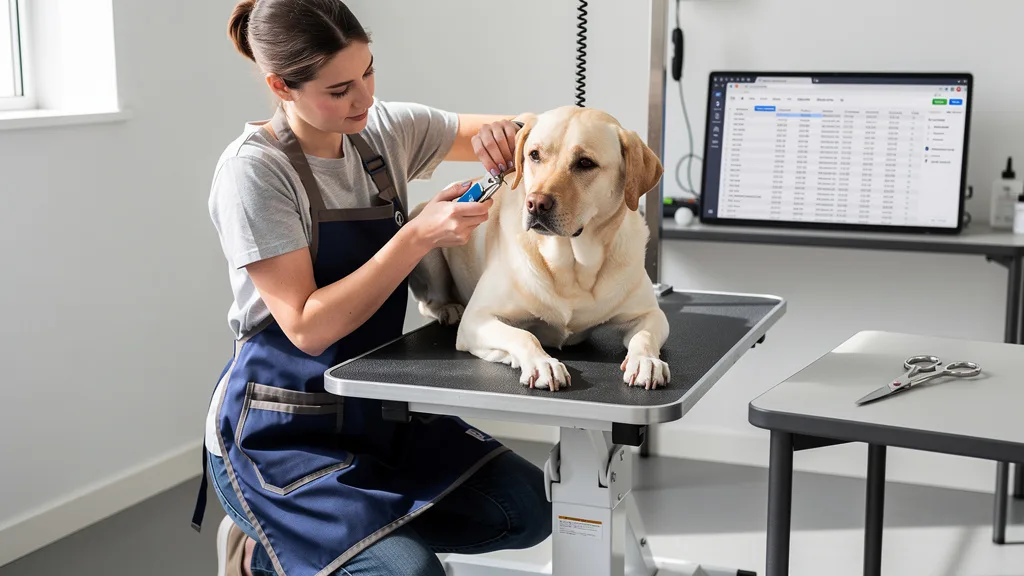
Furthermore, grooming stimulates blood circulation to the skin and distributes natural oils throughout the coat, promoting a healthy, shiny appearance. It’s also an important bonding activity. When done correctly and with patience, grooming sessions can reinforce the trust and positive relationship between you and your pet. This regular, gentle handling can also make veterinary visits less stressful for everyone involved.
As pet care experts, we often remind owners that the biggest mistake is assuming a one-size-fits-all approach. Understanding the core differences in cat grooming vs dog: key differences you must know is the first step to ensuring your pet’s comfort and health in 2026.
Key Differences Between Cat and Dog Grooming Routines
Approaching cat and dog grooming with the same mindset can lead to stress and potential injury for your pet. Their needs diverge significantly across bathing, brushing, and nail care. A dog might enjoy a weekly brush-down and a monthly bath, while a cat may only need occasional help to supplement their own meticulous self-grooming habits. Recognizing these distinctions is the foundation of effective and safe pet care.
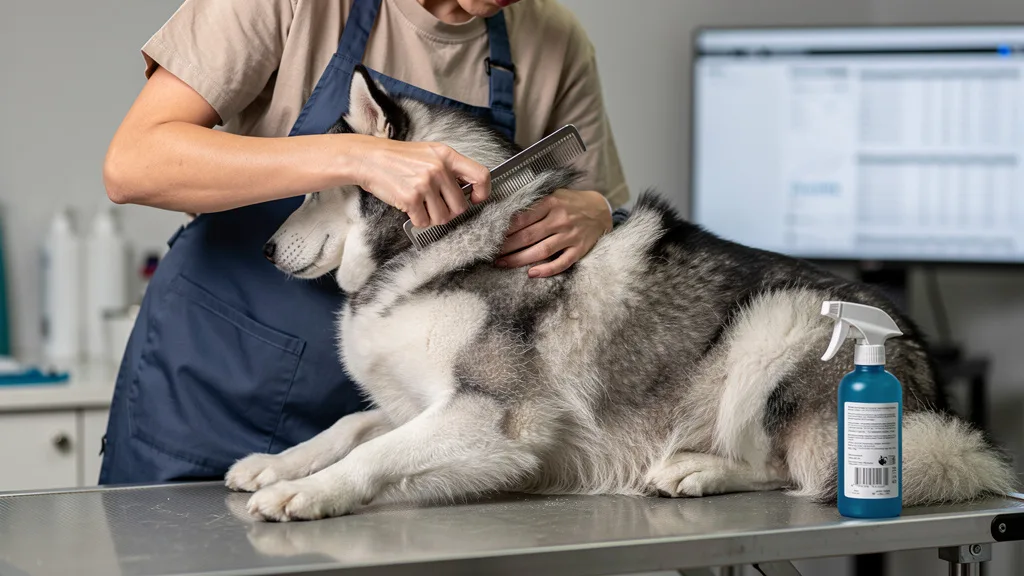
We’ve created a table to summarize the primary distinctions you’ll encounter. This at-a-glance guide helps illustrate why you can’t simply use dog products or techniques on your feline friend. From skin sensitivity to social behavior, every factor plays a role in defining the right grooming approach for each animal.
| Grooming Aspect | Cat Characteristics | Dog Characteristics |
|---|---|---|
| Bathing Frequency | Rarely; only when necessary (e.g., sticky substance, flea infestation). Cats are excellent self-groomers. | As needed, typically every 1-3 months depending on breed, coat, and activity level. |
| Skin Type | Thin, delicate, and sensitive. Prone to irritation from harsh products. | Thicker and more robust. Varies by breed but generally less sensitive than a cat’s. |
| Brushing Needs | Regularly, especially for long-haired breeds, to prevent mats and reduce hairballs. Requires softer brushes. | Frequently, especially for double-coated breeds, to manage shedding and prevent matting. Can handle firmer brushes. |
| Nail Care | Requires small, sharp clippers. Claws are retractable. Trim tips only, avoiding the quick. | Requires stronger clippers or a grinder. Nails are non-retractable and thicker. |
| Temperament | Independent; grooming must be on their terms. Requires patience and short sessions. | Often cooperative and pack-oriented. Can be trained to tolerate longer grooming sessions. |
Bathing Frequency and Techniques
One of the most significant differences lies in bathing. Most cats are fastidious self-cleaners and may never need a full water bath in their lifetime. Their tongues are covered in tiny, abrasive spines called papillae that act like a built-in comb. Bathing should be reserved for situations where they’ve gotten into something toxic or sticky that they cannot clean themselves. When a bath is unavoidable, use a cat-specific shampoo, lukewarm water, and a gentle, reassuring approach to minimize stress.
Dogs, on the other hand, lack this self-cleaning mechanism and often enjoy activities that leave them dirty. Depending on their breed and lifestyle, dogs may need baths anywhere from monthly to every few months. They require dog-specific shampoos formulated for their skin’s pH. The process is generally more straightforward, as many dogs can be trained to tolerate or even enjoy bath time, especially when positive reinforcement is used.
Brushing and Deshedding Requirements
Brushing is essential for both species but for different reasons and with different tools. For cats, especially long-haired breeds like Persians or Maine Coons, daily brushing is crucial to prevent painful mats and reduce the amount of hair they ingest, which helps prevent hairballs. A soft-bristle brush, a rubber curry brush, or a fine-toothed metal comb are excellent choices. The goal is to gently detangle and remove loose fur without scraping their sensitive skin.
Dogs, particularly those with double coats like Huskies or German Shepherds, require more intensive brushing to manage heavy shedding. An undercoat rake or a deshedding tool is often necessary to remove the dense, fluffy undercoat without damaging the topcoat. While cats need a gentle hand, dogs can typically tolerate a firmer pressure during brushing to effectively work through their thicker fur.
Nail Care and Paw Maintenance
Cat and dog nail trims require different tools and techniques. Cats have retractable claws, and you should use a small, scissor-style or guillotine-style clipper designed for them. You only need to snip the sharp, white tip, being extremely careful to avoid the quick, which is the pink part containing nerves and blood vessels. Regular trimming can prevent their nails from getting caught in furniture and can protect you from accidental scratches.
A dog’s nails are thicker, non-retractable, and require more robust clippers or a nail grinder. Because their nails are often darker, it can be harder to see the quick, so it’s important to trim small amounts at a time. Paw maintenance for dogs may also include trimming the hair between their paw pads to prevent matting and improve traction, a task that is rarely necessary for cats.
Coat and Hair: Understanding the Primary Differences
The structure of a cat’s hair versus a dog’s fur is a core reason their grooming needs are so distinct. This is not just about length or color; it’s about density, texture, and the presence of an undercoat. A cat’s coat is designed for agility and sensitivity, while many dog coats are built for insulation and protection from the elements. A healthy coat is often a reflection of a pet’s diet, which is why a complete cat nutrition guide can be an essential tool for owners.
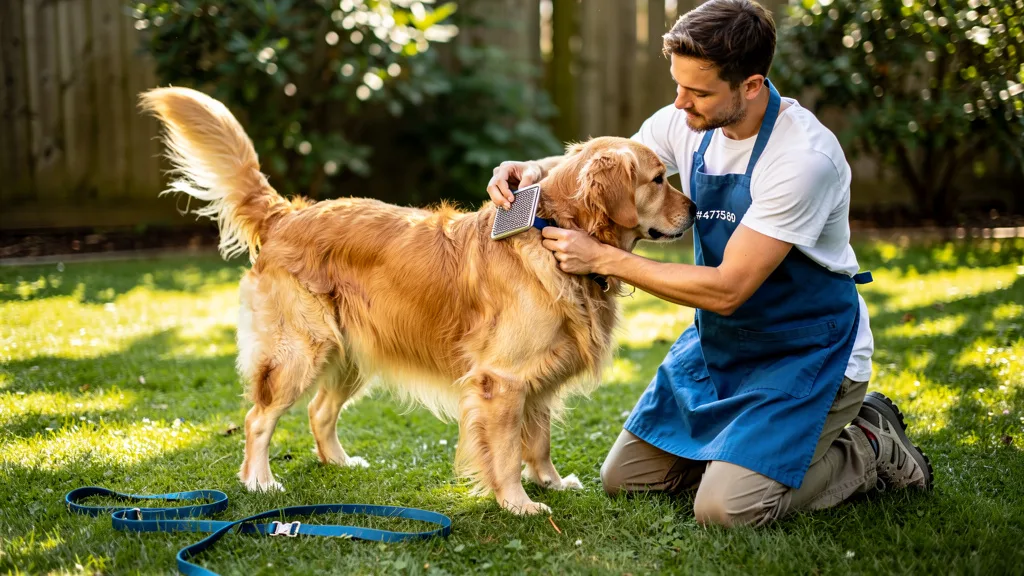
Using a dog’s deshedding tool on a cat can easily damage their fine hair and scratch their delicate skin. Conversely, a cat brush would be largely ineffective on a dense-coated dog. Understanding the specific properties of your pet’s coat is the first step in selecting the right tools and techniques for a safe and effective grooming session. Grooming and Coat Care for your cat is a specialized task.
The Double Coat of Many Dog Breeds
Many dog breeds, from Golden Retrievers to Bernese Mountain Dogs, possess a double coat. This consists of a dense, soft undercoat that provides insulation and a tougher, longer topcoat that repels water and dirt. This structure is fantastic for protecting dogs in various weather conditions but requires significant maintenance from their owners.
During shedding seasons, typically in the spring and fall, these dogs will “blow their coat,” shedding the undercoat in large clumps. This requires the use of specialized tools like undercoat rakes and deshedding blades to remove the dead fur and prevent it from becoming impacted, which can lead to skin problems. Without proper grooming, the undercoat can form dense mats that are impossible to brush out and may require professional shaving.
A Cat’s Fine Hair and Sensitive Skin
A cat’s skin is significantly thinner and more elastic than a dog’s, making it more prone to nicks and irritation. Their hair follicles are also different; each follicle typically grows a single, finer hair. While some cat breeds like the Maine Coon have a denser coat, most lack the thick insulating undercoat found in many dogs. This is a key reason why cats get cold more easily and are more sensitive to grooming tools.
Because their hair is so fine, it can easily become tangled, especially in long-haired varieties. However, the tools used to address these tangles must be gentle. Aggressive brushing with a tool designed for a dog’s thick coat can cause pain, skin abrasions, and a negative association with grooming. This is why a soft touch and cat-specific brushes are non-negotiable for feline grooming.
How Temperament and Behavior Impact Grooming Sessions
Beyond physical differences, the distinct temperaments of cats and dogs play a huge role in how we should approach grooming. Dogs are typically pack animals that have been bred for centuries to cooperate with humans. Cats, on the other hand, are more solitary and independent, and their willingness to be groomed is often on their own terms. Ignoring these behavioral cues is a common mistake that can turn grooming into a battle. bonding activity.
Understanding your pet’s body language is critical. A dog might show clear signs of enjoyment, like leaning into the brush. A cat’s tolerance, however, may be much shorter. A twitching tail or flattened ears are clear signals that the session needs to end. For felines, it’s often more effective to have several short grooming sessions throughout the week rather than one long one. Understanding behavioral signals, such as why a cat might bite, is crucial; sometimes, a bite is the only way a cat can communicate that it is overwhelmed, as explained in our guide on why does my cat bite me.
Grooming a Cooperative and Pack-Oriented Dog
Dogs often view grooming as a form of attention and affection from their pack leader: you. Many can be trained from a young age to stand still for brushing, bathing, and nail trims. Using positive reinforcement, such as treats and praise, can make grooming a positive and anticipated activity. Their desire to please makes them more forgiving of an owner’s clumsy first attempts.
This cooperative nature allows for more thorough and lengthy grooming sessions. You can typically complete a full brush-out, nail trim, and ear cleaning in one go, provided the dog is comfortable. Their higher tolerance for being handled makes it easier to manage challenges like mats or cleaning dirty paws after a walk. However, it’s still vital to be gentle and attentive to their signals of discomfort.
Approaching an Independent and Self-Grooming Cat
Cats are not small dogs. This is the most important rule of feline grooming. As meticulous self-groomers, they often see human intervention as unnecessary or even intrusive. Grooming a cat requires patience, respect for their boundaries, and a keen eye for their subtle stress signals. It’s best to introduce grooming in a calm, quiet environment and keep initial sessions very short, perhaps just a few strokes with a soft brush.
Never force a grooming session on a cat. If they struggle or show signs of distress, it’s better to stop and try again later. Building trust is paramount. Some cats may only tolerate being brushed on certain parts of their body, like their back, while resisting having their belly or tail touched. This is why knowing the details of What’s the difference between cat and dog grooming is so critical for their well-being.
Essential Grooming Tools for Each Animal
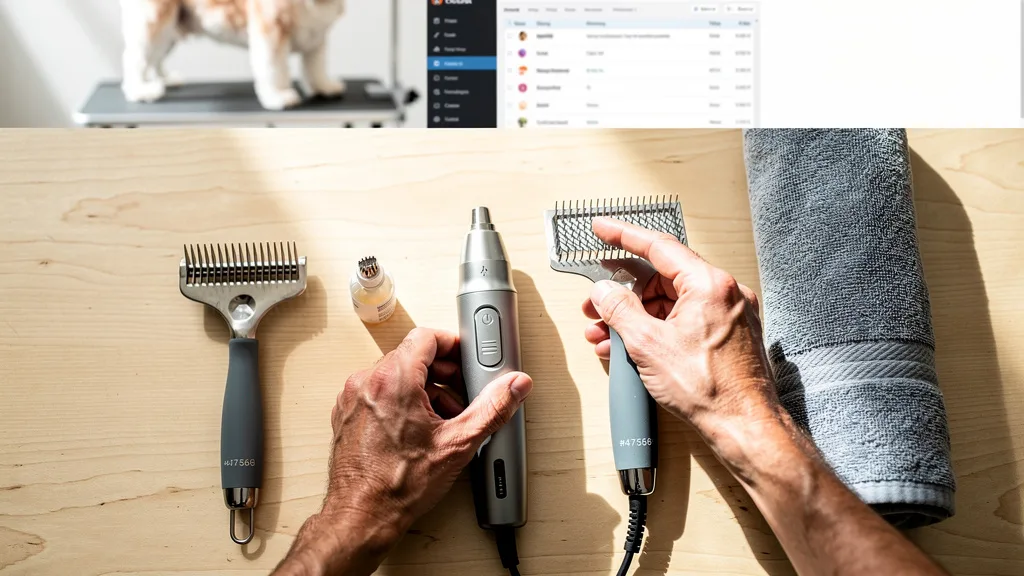
Having the right tools is half the battle when it comes to successful pet grooming. A well-stocked toolkit not only makes the job easier and more effective but also ensures your pet’s safety and comfort. Using a dog’s coarse rake on a cat’s delicate skin can cause pain and injury, while a small cat brush will do little for a Golden Retriever’s dense undercoat. Investing in species-specific tools is a non-negotiable part of responsible pet ownership.
Think of it as having the right kitchen utensils for different recipes. You wouldn’t use a meat cleaver to peel a grape, and the same logic applies here. Your dog’s toolkit will focus on durability and the ability to handle thick fur, while your cat’s toolkit will prioritize gentleness and precision for fine hair and sensitive skin.
Your Basic Dog Grooming Toolkit
For most dog owners, a basic grooming kit should be built to handle a variety of needs, from shedding to nail care. The specific tools will vary by breed, but a good starting point includes several key items.
- Slicker Brush: Excellent for removing tangles, mats, and loose fur from most coat types.
- Undercoat Rake or Deshedding Tool: A must-have for double-coated breeds to manage seasonal shedding.
- Bristle or Pin Brush: Good for finishing the coat, distributing oils, and for short-haired breeds.
- Nail Clippers or Grinder: Choose a heavy-duty style appropriate for the size of your dog’s nails.
- Dog-Specific Shampoo: Formulated for their skin’s pH and coat type.
Must-Have Supplies for Cat Grooming
A cat grooming kit prioritizes gentleness. Since you are supplementing their own efforts, your tools should be designed to work with their fine hair and sensitive skin without causing stress or discomfort.
- Soft Bristle or Rubber Brush: Ideal for short-haired cats to remove loose fur and stimulate the skin.
- Metal Greyhound Comb: Perfect for long-haired cats to gently work through potential tangles and prevent mats.
- Flea Comb: A fine-toothed comb essential for checking for fleas and flea dirt on any cat.
- Cat Nail Clippers: Small, scissor-style clippers that give you precision and control to avoid the quick.
- Cat-Specific Shampoo or Waterless Wipes: For the rare occasion a spot clean or full bath is necessary.
Common Grooming Challenges and How to Handle Them
Even with the right tools and a patient approach, you will likely encounter grooming challenges with both cats and dogs. Issues like matted fur, fleas, and general anxiety are common hurdles for pet owners. The key is to address these problems safely and calmly, without turning the grooming session into a negative experience. Knowing how to handle these situations can prevent minor issues from escalating into serious health problems.
Regular grooming is your first line of defense, as it allows for early detection. A small tangle is much easier to manage than a large, painful mat. Likewise, spotting a single flea early can help you prevent a full-blown infestation that affects your pet and your home. These checks are also a good time to look for other health issues, which is important since grooming can sometimes reveal symptoms related to conditions like cat kidney disease.
Managing Mats and Tangles Safely
Mats occur when fur becomes tightly knotted and tangled, often in high-friction areas like under the legs, behind the ears, or on the belly. They can pull on the skin, causing pain, inflammation, and even infection. For small tangles, you may be able to gently work them out with your fingers or the end of a metal comb. Always hold the fur at the base, near the skin, to prevent pulling as you detangle.
Never try to cut out a mat with scissors. A cat’s skin is so thin and elastic that it can easily be pulled up into the mat, leading to a severe laceration. If a mat is too tight to be worked out gently, it needs to be addressed by a professional groomer or a veterinarian who can safely shave it off with clippers. This is especially true when comparing cat grooming vs dog grooming, as a cat’s skin is far less forgiving.
Flea Control and Skin Health Checks
Grooming provides the perfect opportunity to check for fleas, ticks, and other skin problems. Use a fine-toothed flea comb to part the fur and look for small, dark specks of “flea dirt” (flea feces) or the fleas themselves. Pay close attention to the base of the tail, the neck, and the belly. If you find evidence of fleas, consult your veterinarian for the appropriate treatment for your specific pet.
While brushing, run your hands over your pet’s entire body, feeling for any unusual lumps, bumps, scabs, or hot spots. Note any areas of redness, hair loss, or irritation. Early detection of skin issues can lead to faster and more effective treatment. This hands-on approach is an invaluable part of a proactive pet wellness routine.
Key Takeaways
Navigating the world of pet grooming requires understanding that cats and dogs are fundamentally different. Their unique skin, coat, and behavioral traits demand distinct approaches, tools, and schedules. Applying dog grooming techniques to a cat can lead to stress, injury, and a damaged bond.
Here are the essential points to remember:
- Skin and Coat Dictate Tools: Cats have thin, sensitive skin and fine hair, requiring soft brushes and combs. Many dogs have thicker skin and dense double coats that need robust tools like undercoat rakes.
- Bathing is Not Universal: Cats are self-groomers and rarely need baths. Dogs require regular bathing to stay clean and healthy. Always use species-specific shampoo.
- Temperament Guides the Session: Groom dogs with a cooperative, training-focused mindset. Approach cats with patience, respect for their independence, and an emphasis on short, positive sessions.
- Safety First with Mats and Nails: Never use scissors to cut out mats, especially on cats. Use the correct size and style of nail clippers for each animal to avoid injury.
Frequently Asked Questions
Can you use dog grooming tools on a cat?
It is strongly advised not to use dog grooming tools on a cat. Tools like undercoat rakes and firm slicker brushes are designed for a dog’s thick fur and robust skin. Using them on a cat’s delicate skin can easily cause scratches, pain, and irritation, creating a negative association with grooming. Always invest in tools specifically designed for feline fur and skin sensitivity, such as soft brushes and fine-toothed metal combs.
How often should you groom a cat compared to a dog?
The same rule applies to shampoos and nail clippers. Dog shampoos are formulated for a dog’s skin pH and can be harsh on a cat. Dog nail clippers are too large and bulky for a cat’s smaller, more delicate claws and can cause crushing or splitting. Using the right equipment is essential for safety and comfort.
Is it generally harder to groom a cat than a dog?
Grooming frequency varies greatly. A long-haired cat, like a Persian, should be brushed daily to prevent mats, while a short-haired cat may only need brushing once or twice a week to reduce shedding. Dogs’ needs depend on their coat. A double-coated dog like a Husky needs frequent, thorough brushing, especially during shedding seasons, while a short-coated dog like a Beagle may only need a quick weekly brush.
What are the signs a pet needs professional grooming?
Bathing is another key difference. Most cats will rarely, if ever, need a bath. Dogs, however, typically need bathing every one to three months, depending on their breed and how dirty they get. Nail trims for both are usually needed every 3-4 weeks.
Do short-haired cats and dogs require regular grooming?
It can be, but “harder” is subjective; “different” is a better word. Grooming a dog is often more physically demanding due to their size and coat density, but their cooperative nature can make the process straightforward. Many dogs can be trained to accept and even enjoy grooming sessions.
Grooming a cat requires more psychological effort. It demands immense patience, an understanding of feline body language, and respect for their independent nature. Sessions must be short and on their terms. For many owners, the challenge with cats lies in building trust rather than the physical act of brushing.
You should seek a professional groomer or veterinarian if you encounter severe matting. If fur is so tangled that you cannot easily run a comb through it near the skin, it’s a job for a professional with clippers. Other signs include extreme anxiety or aggression during grooming attempts, overgrown nails that are affecting their walk, or skin issues that you are unable to manage at home.
Professionals have the right equipment and handling techniques to deal with these difficult situations safely. They can also provide breed-specific cuts for dogs or a “lion cut” for a severely matted cat, which should not be attempted at home without proper training.
Yes, absolutely. While their needs are less intensive than their long-haired counterparts, regular grooming is still vital. For short-haired cats, weekly brushing helps remove loose hair, which reduces shedding on your furniture and decreases the likelihood of hairballs. It also helps distribute skin oils for a healthy coat.
For short-haired dogs, regular brushing removes dead hair and dirt and stimulates blood flow to the skin. It’s also a critical opportunity to check their body for ticks, fleas, lumps, or any other health concerns. Grooming is a key part of wellness for all pets, regardless of coat length.
Conclusion
Ultimately, understanding the key differences in cat grooming vs. dog grooming is about respecting the unique nature of each animal. It’s a shift from a one-size-fits-all mentality to a tailored approach that honors their distinct physiology, behavior, and needs. A dog may require robust tools and a structured routine, while a cat thrives on gentle handling and patient, trust-building sessions. Getting this right is a cornerstone of responsible pet care.
The most crucial takeaways are to always use species-specific tools, recognize that cats are self-groomers who need assistance rather than overhauls, and to read your pet’s body language. A twitching tail on a cat means something very different from a wagging tail on a dog. By learning their signals, you can turn grooming from a chore into a positive bonding experience that enhances their health and your relationship.
Mastering these skills ensures your pet remains comfortable, healthy, and happy. If you are ever in doubt, especially with a difficult mat or a highly anxious pet, consulting a professional is always the wisest and safest choice. For more guidance on creating a happy and healthy environment for your feline friend, explore our other resources on general cat care.
Ready to build a better routine for your cat but not sure where to start? Our team is here to provide simple, practical advice to help you become a more confident cat parent. Let us help you navigate your cat care questions. Get started today and see how easy it can be.
cat and dog grooming dog grooming