
Introduction
Bringing a cat into your home is one of life’s great joys — but along with the cuddles and playtime comes a responsibility that many new owners underestimate: feeding them correctly. This cat nutrition guide for beginners will help you navigate through the overwhelming wall of options — dry food, wet food, raw diets, grain-free formulas, life-stage blends — and almost all of them claim to be complete, natural, and veterinarian recommended.
The truth is, not all cat foods are created equal, and understanding the basics of feline nutrition can make a profound difference in your cat’s health, energy, and longevity. This guide cuts through the confusion and gives you everything you need to know to feed your cat well from day one.
Chapter 1: Understanding Your Cat’s Biology
Cats Are Obligate Carnivores
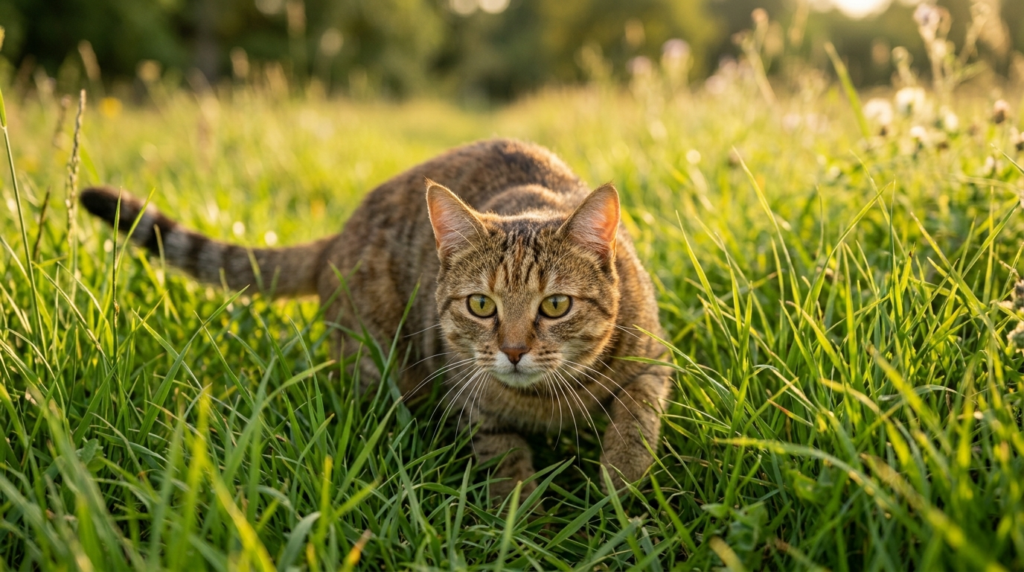
Before you can understand what to feed your cat, you need to understand what your cat is. Cats are obligate carnivores meaning their bodies are biologically designed to survive and thrive exclusively on animal-based food. This is not a preference; it is a hard-wired biological requirement.
In the wild, a cat’s natural prey — mice, birds, small reptiles provides a diet that is roughly 70% water, high in protein, moderate in fat, and only 1–2% carbohydrates. Everything about your cat’s digestive system, metabolism, and nutritional chemistry is built around this template.
Unlike dogs or humans, cats:
- Taurine is an essential amino acid found only in animal tissue. Without it, cats develop heart disease and go blind. Cannot produce enough taurine on their own.
- Cats need Vitamin A pre-formed, directly from animal liver and tissue. Cannot convert plant-based beta-carotene into Vitamin A. the way other animals do. Cats require much more of it in their diet from meat. Cannot efficiently produce niacin (Vitamin B3)
- Cats lack salivary amylase and have reduced enzymes for processing starch. Have very limited ability to digest carbohydrates. and cannot slow this process when protein intake is low, meaning they have higher protein needs than dogs. Break down protein rapidly and constantly than dogs, making them poor at digesting plant material. Have shorter intestines relative to body size
Critical implication: Cats cannot be vegetarian or vegan. Plant-based diets will lead to life-threatening nutrient deficiencies.
Chapter 2: The Nutrients Your Cat Needs
A balanced cat diet must supply approximately 41 essential nutrients in the right amounts and in the right proportions relative to each other. Here are the most important ones:
Protein
The foundation of a cat’s diet. Protein supports muscle growth, immune function, energy, and virtually every bodily process. It must come primarily from animal sources — chicken, turkey, beef, fish, lamb, rabbit, or organ meats. The ideal range is 30–45% of calories in dry food and around 9–10% in wet food.
Taurine
An amino acid so critical it deserves its own mention. Taurine deficiency causes blindness and fatal heart disease in cats. It is found almost exclusively in animal tissue, which is why cats fed dog food or plant-based diets are at serious risk.
Arginine
Another amino acid cats cannot synthesise in sufficient quantities. Deficiency can be dangerous, especially on low-protein diets.
Arachidonic Acid
An essential fatty acid most animals make from other fats. Cats cannot — they need it directly from animal fat sources.
Healthy Fats
Cats need moderate amounts of fat for energy, hormone production, and absorption of fat-soluble vitamins. Look for Omega-3 and Omega-6 fatty acids (often from fish oil) supporting brain health, vision, coat condition, and immune function.
Vitamins
Cats require vitamins A, D, E, K, and the B-complex vitamins including niacin. Do not add supplements unless directed by your vet — over-supplementation of fat-soluble vitamins can cause toxicity.
Water — The Most Critical Nutrient
Cats evolved in desert environments and have a naturally low thirst drive. In the wild, they get most water from their prey. Cats on dry food are often chronically mildly dehydrated, even if a water bowl is available. Chronic dehydration is directly linked to urinary tract disease, bladder stones, and kidney disease — some of the most costly health problems in domestic cats.
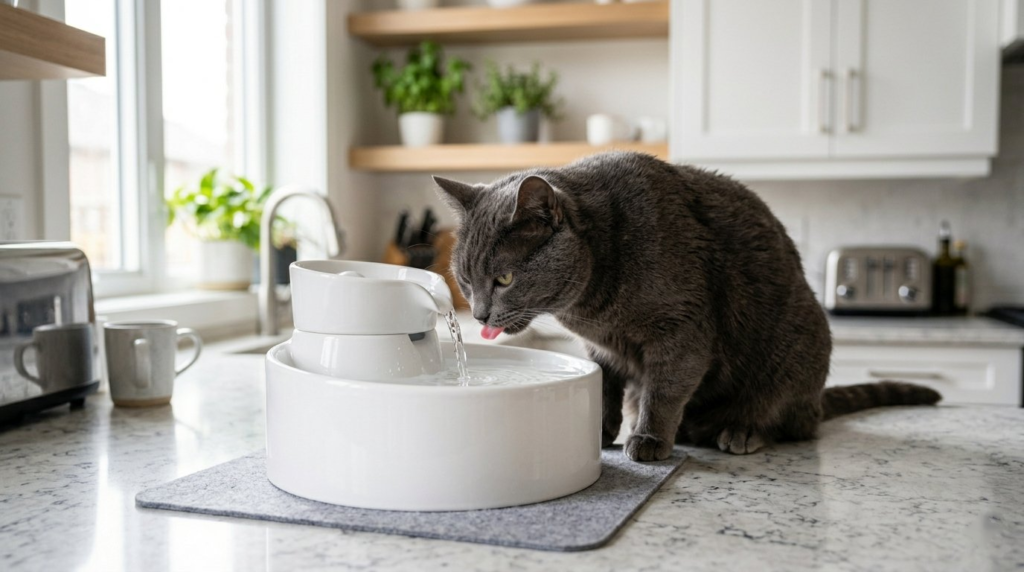
Fresh, clean water must always be available. Multiple water bowls or a fountain placed away from the food bowl can significantly increase water intake.
Chapter 3: Types of Cat Food
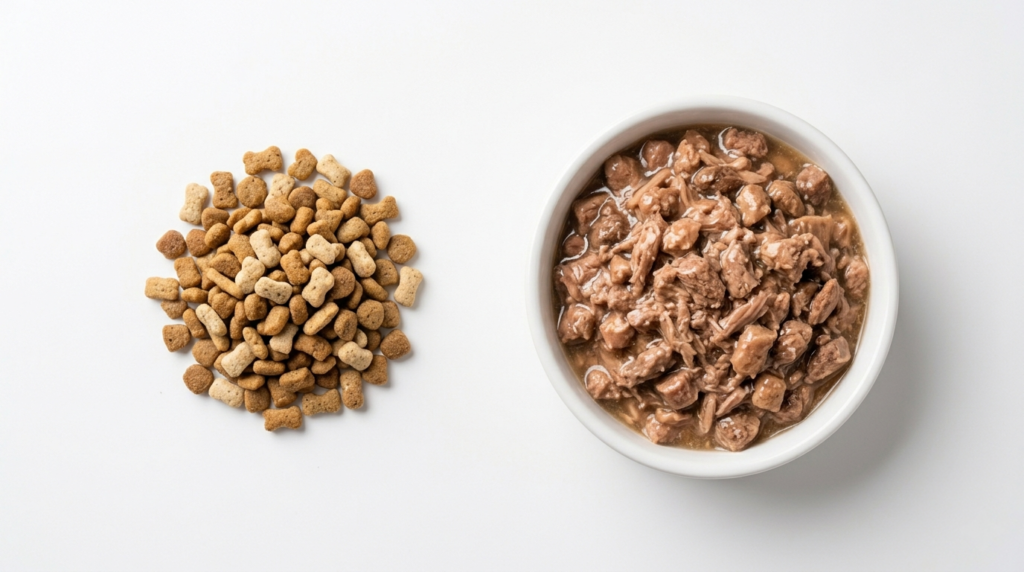
| Feature | Dry Food (Kibble) | Wet / Canned Food |
| Moisture | 5–10% | 70–80% |
| Carbohydrates | 35–50% of calories | Usually under 10% |
| Protein Source | Often includes plant protein | Primarily animal protein |
| Cost | More affordable | Higher cost |
| Convenience | Very convenient, long shelf life | Shorter shelf life once opened |
| Best For | Budget-conscious owners; supplementary feeding | Urinary health, hydration, fussy eaters, seniors |
Dry Food (Kibble)
Moisture content: 5–10%
Dry food is the most popular type and the most debated. Advantages include affordability, convenience, long shelf life, and the ability to leave it out without immediate spoiling.
The concerns are significant however. Dry food is extremely low in moisture, forcing cats to rely on a water bowl something their biology is not well suited for. It also tends to be high in carbohydrates (35–50% of calories) and many lower-quality varieties use plant-based proteins like soy or corn gluten.
If feeding dry food, choose one with real named meat as the first ingredient, minimal starch fillers, and no artificial colours or preservatives. Always ensure fresh water is available.
Wet / Canned Food
Moisture content: 70–80%
Wet food closely resembles a cat’s natural prey in moisture content and protein levels. Its high water content is a significant health benefit — effectively flushing your cat’s urinary tract with every meal. It typically contains fewer carbohydrates and higher animal protein, making it excellent for fussy eaters, kittens, seniors, and cats with dental sensitivities.
Downsides include higher cost and shorter shelf life once opened. Refrigerate opened cans and use within 24–48 hours. Clean bowls after every meal as wet food spoils quickly.
Raw Diets (BARF)
Raw diets consist of uncooked meat, bones, and organs. Proponents argue they most closely mimic a cat’s natural diet. However, raw feeding carries real risks: bacterial contamination (Salmonella, E. coli), risk of toxoplasmosis, and nutritional imbalances if not carefully formulated. Raw diets are not recommended for households with immunocompromised individuals, young children, the elderly, or pregnant women. Always consult a vet before switching to raw.
Homemade Diets
Making your own cat food gives full ingredient control but comes with a serious caveat: most homemade recipes found online are nutritionally incomplete. Getting the calcium-to-phosphorus ratio wrong, omitting taurine supplementation, or lacking adequate Vitamin A can cause serious harm over time. If you wish to feed homemade food, work with a board-certified veterinary nutritionist.
Combining Wet and Dry Food
For many owners, a combination of wet and dry food offers a practical balance — the convenience of kibble alongside the hydration benefits of wet food. If you go this route, account for the calorie contribution of both when calculating daily portions.
Chapter 4: How to Read a Cat Food Label
The Nutritional Adequacy Statement
This is the single most important thing to look for. Look for language such as: formulated to meet the nutritional levels established by AAFCO for all life stages or complete and balanced. If a food does not carry this statement, it may not be nutritionally complete. In the US this is set by AAFCO; in Europe by FEDIAF.
Ingredient List
Ingredients are listed by weight, heaviest first. The first ingredient should be a named animal protein — chicken, turkey, salmon, beef — not a generic meat or a plant ingredient like corn or soy.
Watch out for:
- Chemical preservatives like BHA, BHT, and ethoxyquin
- Excessive gravy or sauce formulas, which often use carbohydrate-based thickeners
- Corn, wheat, soy, or potato high on the ingredient list (high carbohydrate fillers)
- Vague terms like meat by-products without a species named
- Artificial colours (Red 40, Yellow 5) — unnecessary and potentially harmful
Life Stage Labelling
Always match the food to your cat’s current life stage: kitten, adult, or senior. Kitten food is calorie-dense and nutrient-rich to support growth. Feeding it long-term to an adult cat can cause weight gain.
The Grain-Free Myth
Grain-free does not automatically mean low-carbohydrate or healthier. Many grain-free foods simply replace grains with potatoes, peas, lentils, or chickpeas which are also high in starch. Always check the overall carbohydrate content, not just whether grains are present.
Chapter 5: Feeding by Life Stage
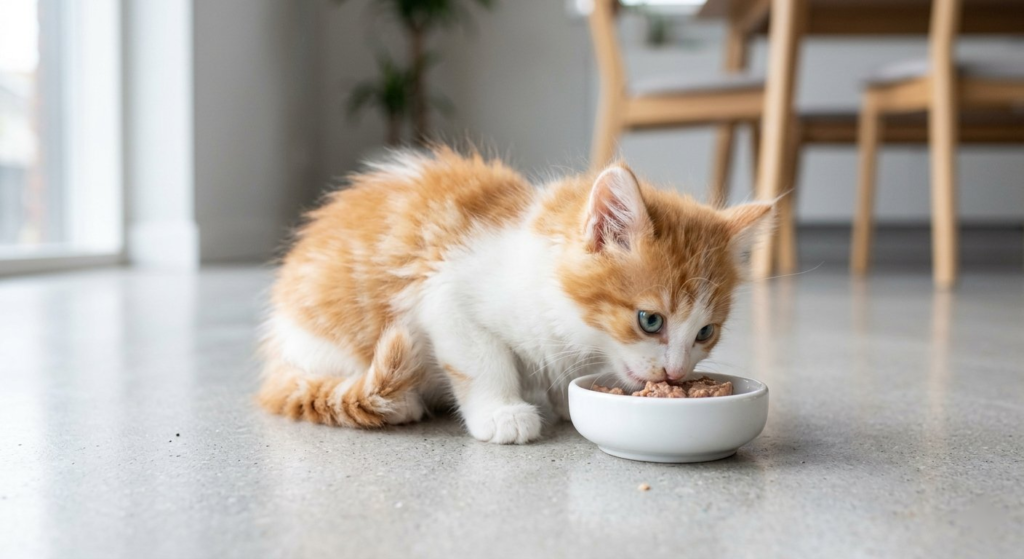
Kittens (0–12 Months)
Kittens are growing rapidly and have very high energy and nutrient needs. Feed food specifically formulated for kittens higher in calories, protein, calcium, and phosphorus, with added DHA for brain and eye development. Most kittens begin eating solid food at around 3 weeks of age alongside their mother’s milk. Feed kittens 3–5 small meals per day. Switch to adult food once your kitten has reached approximately 90% of their expected adult weight, usually around 12 months.
Adult Cats (1–7 Years)
The goal for adult cats is maintaining a healthy weight and quality of life. Feed 2–3 measured meals per day rather than leaving food out freely. Free-feeding makes it very difficult to monitor intake and is a leading cause of obesity in cats. Choose a food labelled complete and balanced for adult maintenance.
Senior Cats (7+ Years)
As cats age, kidney, liver, and digestive function can decline. Senior cats may have reduced appetite and a diminished sense of smell and taste. Senior-formulated foods are typically higher in easily digestible protein, lower in phosphorus to protect kidneys, and enriched with antioxidants. Feed 2 meals per day, watch body weight carefully, and schedule regular vet check-ups.
Neutered Cats
Neutering significantly reduces a cat’s caloric needs by approximately 20–30%. Neutered cats fed the same amounts as before neutering very commonly become overweight. Adjust portions accordingly or switch to a food specifically formulated for neutered or indoor cats.
Pregnant and Lactating Queens
A pregnant cat’s needs increase steadily from mating and peak 5–6 weeks after birth during nursing. The best food for a pregnant or nursing cat is kitten food, which is calorie-dense and nutrient-rich. Ensure constant access to fresh water, especially during lactation.
Chapter 6: How Much to Feed Your Cat
There is no single universal answer — it depends on age, weight, activity level, health status, and the calorie density of the specific food. Practical starting points:
- The average adult cat needs approximately 150–250 calories per day, though this varies by size and activity level.
- Always check the feeding guide on the packaging, but treat it as a starting point — label guidelines are broad.
- Weigh food on a kitchen scale rather than measuring by volume. The margin for error with cups and spoons is too large.
- Use a caloric calculator available on veterinary websites for a more personalised estimate.
- Monitor body condition: you should be able to feel your cat’s ribs easily but not see them prominently. A visible waist from above is a healthy sign.
- If your cat is gaining weight, reduce portions. If losing weight unexpectedly, consult a vet.
Chapter 7: Treats and Human Food
Treats
Treats can be a valuable tool for bonding and training, but they are essentially empty calories and are not nutritionally complete. Keep treats to a maximum of 10–15% of your cat’s daily caloric intake and count those calories toward the daily total. Puzzle feeders and treat toys are an excellent way to offer treats while providing mental stimulation.
Safe Human Foods (Occasional Treats Only)
- Plain cooked chicken, turkey, or beef — no seasonings, sauces, onion, or garlic
- Plain cooked fish such as salmon — sparingly due to mercury concerns
- Plain cooked eggs
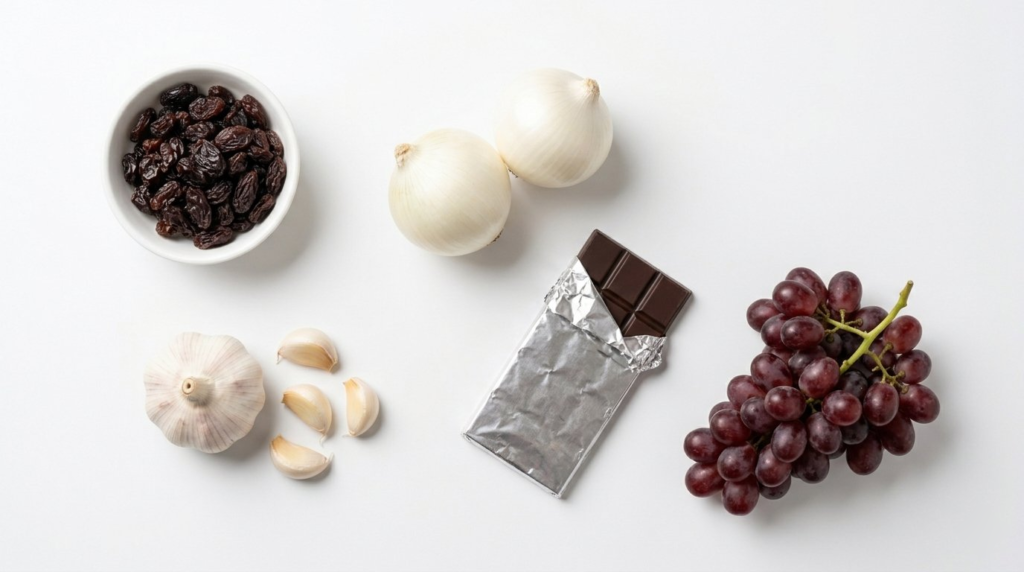
Foods That Are Toxic to Cats — Never Feed These
| Food / Ingredient | Why It Is Dangerous |
| Onions & Garlic | Damage red blood cells and cause anaemia even in cooked or powdered form |
| Grapes & Raisins | Can cause sudden kidney failure even in very small amounts |
| Chocolate | Contains theobromine and caffeine causes vomiting, heart problems, and seizures |
| Xylitol (sweetener) | Causes dangerous blood sugar drops and liver failure |
| Alcohol | Extremely toxic to cats even in tiny amounts |
| Cooked Bones | Splinter and can cause choking or internal puncture injuries |
| Raw Dough / Yeast | Expands in the stomach and produces alcohol as a byproduct |
| Caffeine | Toxic to the nervous system and heart |
| Dog Food (regular diet) | Lacks taurine and other nutrients cats must have causes serious deficiencies over time |
| Milk & Dairy | Most adult cats are lactose intolerant causes digestive upset |
| Human-Grade Canned Tuna (regularly) | High in mercury; lacks balanced nutrition when used as a main food |
Chapter 8: Common Nutrition-Related Health Problems
Obesity
The most common nutrition-related problem in cats. Obese cats are at significantly higher risk of diabetes, arthritis, fatty liver disease (hepatic lipidosis), and heart disease. It is caused by too many calories combined with too little activity, and is worsened by free-feeding dry food. Address it by switching to measured meals, reducing calorie intake, and increasing play time.
Urinary Tract Disease (FLUTD)
Highly linked to chronic dehydration from low-moisture dry food diets. Cats on predominantly dry food produce concentrated urine that irritates the bladder and promotes crystal and stone formation. Switching to wet food is one of the most effective dietary interventions for cats prone to urinary issues.
Chronic Kidney Disease (CKD)
One of the most common diseases in older cats. Chronic mild dehydration over many years is thought to be a contributing factor. Once diagnosed, cats typically need a diet lower in phosphorus and carefully managed protein always under veterinary guidance.
Diabetes
Linked to high-carbohydrate diets in predisposed cats. Many diabetic cats see dramatic improvement and some even achieve remission when switched to a low-carbohydrate, high-protein wet food diet.
Hepatic Lipidosis (Fatty Liver Disease)
A life-threatening condition that occurs when cats stop eating for even 48–72 hours. The body mobilises fat stores that overwhelm the liver. Overweight cats are at highest risk. Never withhold food from a cat without veterinary guidance.
Taurine Deficiency
Caused by inadequate animal protein in the diet. Results in dilated cardiomyopathy (heart disease) and central retinal degeneration (blindness). Always feed a taurine-adequate, animal-protein-based diet.
Chapter 9: Practical Feeding Tips
- Feed at the same times and in the same quiet location every day. Cats are creatures of habit and stress-free eating supports digestion. Establish a routine.
- Cats prefer water sources away from their food a holdover from the wild where water near a kill could be contaminated. A separate bowl often increases water intake. Keep food and water separate.
- Wash food bowls daily. Cats are sensitive to smell and will often refuse food from dirty bowls.Keep bowls clean.
- When changing brands or types, do so over 7–10 days, mixing increasing amounts of the new food with decreasing amounts of the old. Sudden changes cause digestive upset.Transition foods slowly.
- Feeding 2–3 different foods prevents extreme pickiness and avoids over-dependence on a single product.Offer variety over time.
- Puzzle feeders, lick mats, and treat toys slow down fast eaters and provide mental stimulation especially important for indoor cats. Use feeding as enrichment.
- More is not better with vitamins and minerals. Over-supplementation can cause toxicity. A complete commercial diet provides everything your cat needs. Never add supplements without vet approval.
Chapter 10: When to See a Vet
Contact your veterinarian if your cat:
- Refuses to eat for more than 24 hours
- Shows unexplained weight loss or gain
- Has persistent vomiting or diarrhoea
- Drinks excessively (can indicate diabetes or kidney disease)
- Shows blood in urine or difficulty urinating (this is an emergency — especially in male cats)
- Has persistent bad breath (can indicate dental disease or kidney problems)
- Seems lethargic or unusually inactive
- Develops skin issues, excessive scratching, or hair loss (may indicate food allergies)
Many of the most serious cat illnesses have a strong nutritional component. The earlier they are caught, the better the outcome.
Summary: 10 Key Principles to Remember
- Cats are obligate carnivores. Animal protein is not optional — it is essential.
- Water is critical. Chronic dehydration drives some of the most common feline diseases. Wet food is the easiest way to increase water intake.
- Read labels. Look for a named animal protein as the first ingredient and an AAFCO or FEDIAF nutritional adequacy statement.
- Match food to life stage. Kitten, adult, senior, and neutered cats all have different nutritional needs.
- Measure portions. Free-feeding dry food is a leading cause of feline obesity.
- Treats are extras, not nutrition. Keep them under 10–15% of daily calories.
- Avoid toxic foods. Onions, garlic, grapes, chocolate, and xylitol are dangerous even in small amounts.
- Transition slowly. Sudden food changes cause digestive problems — always take 7–10 days.
- Consult your vet. Especially for senior cats, cats with health conditions, or when considering raw or homemade diets.
- Observe your cat. The best indicator of whether a diet is working is your cat’s energy, coat condition, weight, and overall health
Sources & References
This article draws on nutritional guidance from the following trusted veterinary and pet nutrition sources:
- Cornell Feline Health Center — Feeding Your Cat
- CatInfo.org — Feline Nutrition (Dr. Lisa Pierson, DVM)
- UK Pet Food — Cat Health & Nutrition Advice
- Vetster — Feline Nutrition Tips for Cat Owners
- Heads Up For Tails — What Cats Should Eat
Always consult a qualified veterinarian for advice tailored to your individual cat’s health needs.